Show summary Hide summary
- How this Cat in the Hat differs from the book
- Voice casting and character choices
- Plot beats and blockbuster influences
- The Things, merch strategy, and franchise signals
- Humor, tone, and parental touchpoints
- Visual style and the Mess-o-Meter logic
- Where the movie succeeds and where it falters
- Comparisons to past adaptations and genre touchstones
- Notable set pieces and creative flourishes
- What the film means for family animation
Bill Hader voices the new animated The Cat in the Hat, a loud, spectacle-driven reinvention of Dr. Seuss’s mischievous classic. The film swaps the book’s sly chaos for blockbuster scale. That choice shapes everything from the tone to the toys on the shelf.
How this Cat in the Hat differs from the book
The movie barely tries to remain a faithful page-to-screen retelling. Instead, directors Alessandro Carloni and Erica Rivinoja rework the story into a high-energy family adventure. The result feels more like a child-friendly superhero ride than a simple bedtime romp.
JK Rowling defiant after threats: calls trans activism elitist
Fred Durst for president: Limp Bizkit frontman teases presidential bid, urges fans to vote
- Core idea kept: an irreverent cat who disrupts a household.
- Major change: domestic boxes turn into literal portals to other worlds.
- New elements: time-travel device and a creature-battle climax.
Voice casting and character choices
Bill Hader gives the Cat a warm, broadly friendly tone. It’s a safe, likable interpretation. That choice avoids the excesses of the 2003 live-action version with Mike Myers, but it also softens the character’s bite.
Key cast:
- Bill Hader as the Cat in the Hat
- Xochitl Gomez as Gabby
- Tiago Martinez as Sebastian
- America Ferrera as Carmen
- Matt Berry as the goldfish, Waffles
There’s also a whimsical aside imagining how a performer like Daniel Day-Lewis might have approached the role. It highlights how different vocal choices could tilt the Cat toward menace or mischief.
Plot beats and blockbuster influences
Instead of a short, mischievous tale, the film stretches into a multi-set adventure. The family’s three sealed moving boxes become gateways. Each box sends the children and the Cat into wildly different episodes.
The movie borrows liberally from contemporary animation and franchise cinema. Expect echoes of Pixar’s emotional templates and the franchise-minded thinking behind Minions and other toy-driven hits.
Scenes and set pieces to watch for
- An undersea sequence with surreal visual gags.
- A circus and musical detours that feel like variety-show interludes.
- A final showdown with a towering monster, visually akin to major animated epics.
The Things, merch strategy, and franchise signals
The film introduces Thing One and Thing Three, and cheekily explains Thing Two’s absence. Then it quickly expands the concept: there are many Things, not just three. That multiplication reads like a merchandising plan.
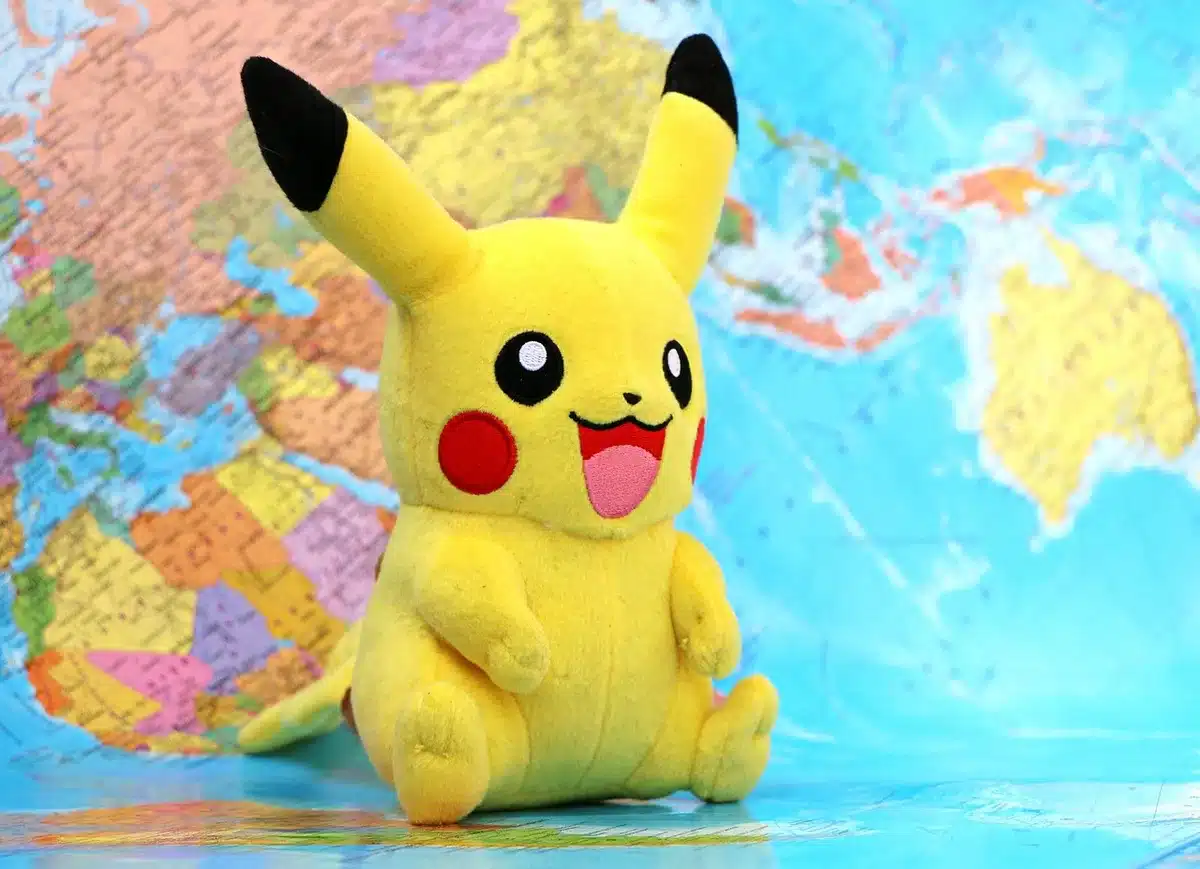
Merch-friendly design is obvious. The Things are crafted to be cute and collectible. Their humor is simple and repetitive, tuned more to plush appeal than comic invention.
Humor, tone, and parental touchpoints
Humor oscillates between slapstick and pop-culture winks. Some jokes land as clever callbacks to kids’ movie conventions. Others feel like fill-in beats meant to pace long sequences.
Gabby’s arc mirrors familiar animated templates. She’s a relocated teen who feels lonely and plays trumpet. That resemblance to other animation protagonists reduces the film’s narrative originality.
Visual style and the Mess-o-Meter logic
The film delights in clutter and invention. A “Mess-o-Meter” keeps score of chaos, and the Cat’s office-worker backstory explains why he keeps accumulating oddments in his hat. The hat becomes a storage source for improbable props.
Visually, the movie is busy, bright, and fast. It aims to dazzle, piling on sights and sights again. The result can be exhilarating and exhausting at once.
Where the movie succeeds and where it falters
- Success: Energetic production design and moments of genuine playfulness.
- Weakness: Franchise-first instincts undercut the quirky soul of Seuss’s original.
- Weakness: Overstuffed sequences that leave little room for subtle emotional beats.
Comparisons to past adaptations and genre touchstones
Mike Myers’s 2003 take remains a cautionary example of how tonal misfires can derail Seuss adaptations. This new film avoids that version’s grotesquerie, but trades risk for broad appeal.
Its DNA contains traces of:
- Pixar-style family emotions
- Minion-like merchandising ambitions
- Marvel-scale spectacle condensed for young audiences
Notable set pieces and creative flourishes
Look for a mix of inventive creature design and absurdist gags. Comic touches include a marching band covering pop songs, an operatic whale, and a sequence of animated underwear.
These choices aim to keep children amused and adults mildly entertained. Sometimes they cohere. Often they feel like a succession of bright impulses without a strong emotional spine.
What the film means for family animation
The new Cat in the Hat signals how studios approach legacy properties today. The priority is often broad reach: visual wow, toy potential, and recognizable emotional beats. The result can be a safe formula with flashes of originality.
For viewers who want unruly, Seuss-level mischief, this version may feel domesticated. For younger kids craving spectacle, it likely delivers enough color and motion to satisfy.