
Show summary Hide summary
- High-concept hook: a lethal tournament in Meiji Japan
- How the story begins: loss, desperation and a flyer
- Cast of desperate competitors and shadowy bettors
- Action, choreography and Junichi Okada’s role
- Pacing, structure and narrative focus
- Character work: who stands out
- Historical backdrop and thematic texture
- Visual style and production choices
- Comparisons and expectations: Squid Game and Shōgun
- Where the series succeeds and where it stumbles
- Why the finale matters and hints at season two
- Who should watch Last Samurai Standing
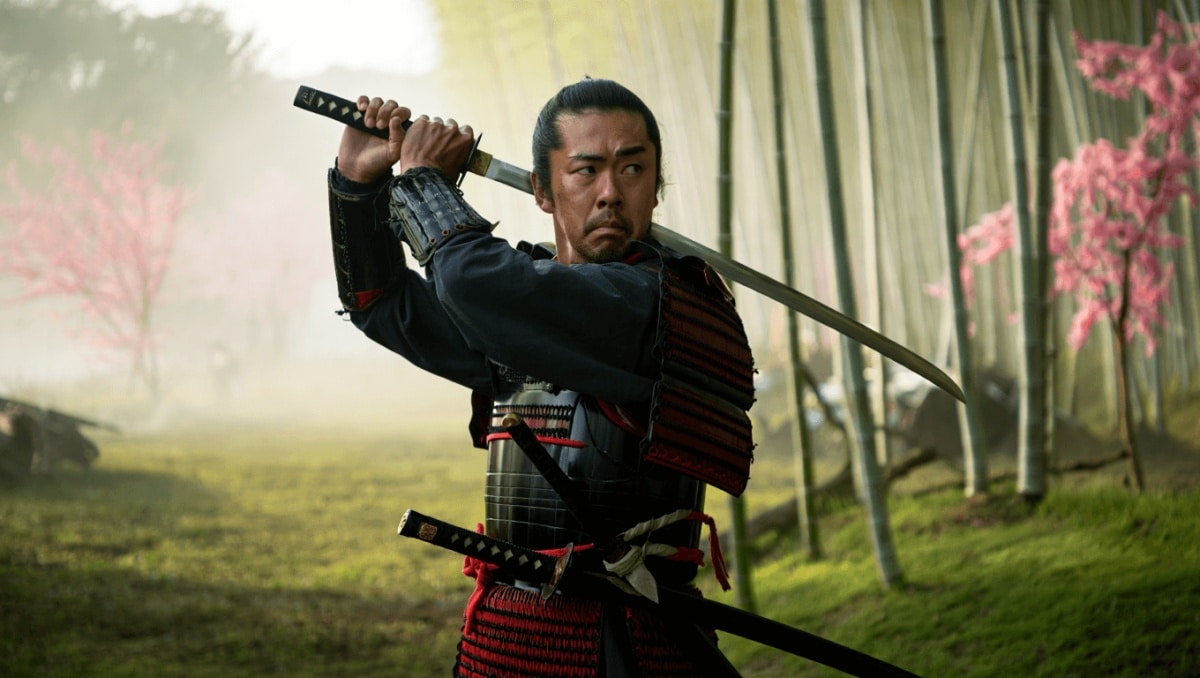
Netflix’s Last Samurai Standing drops viewers into a ruthless contest of blades and survival set in Japan’s Meiji era. The show mixes gritty samurai combat with a high-stakes game, while Junichi Okada leads, produces and shapes the action. It’s a series that invites instant comparisons to Squid Game and Shōgun, yet it carves its own path through blood-soaked duels and a journey toward Tokyo.
High-concept hook: a lethal tournament in Meiji Japan
Last Samurai Standing opens on a bold premise. Hundreds answer a mysterious call to fight for a life-changing prize. Contestants wear numbered tags and must take tags from rivals. The winner of this brutal contest could change their fate.
Nas slams music industry over disrespect: teases new music, vows to address it
1992 vocal performances: 3 jaw-dropping moments that still amaze
- Setting: Late 19th-century Japan, after the Satsuma Rebellion.
- Format: A traveling, checkpoint-driven game from Kyoto to Tokyo.
- Stakes: Money, survival and social redemption.
How the story begins: loss, desperation and a flyer
The narrative follows Shujiro Saga, once a renowned swordsman now stripped of rank. A cholera outbreak devastates his family. With his daughter dead and his wife gravely ill, Shujiro risks everything when he follows a cryptic advertisement for a martial contest.
Nearly 292 participants gather at a Kyoto temple. They receive the rules and learn the goal: collect tags by any means necessary while reaching designated checkpoints en route to Tokyo.
Cast of desperate competitors and shadowy bettors
The field mixes trained fighters and people driven by need. Each arrives with a private motive and a public mask.
- Shujiro Saga (Junichi Okada): A fallen samurai, desperate and focused.
- Futaba (Yumia Fujisaki): untrained, fighting for family.
- Iroha (Kaya Kiyohara): former elite trainee, now used in a fairground act.
- Bukotsu (Hideaki Ito): vengeful and unpredictable.
- Kyojin (Masahiro Higashide): charming, evasive and strategically suspicious.
Above them, wealthy oligarchs wager on outcomes. Their fascination turns the game into spectacle and commentary on power.
Action, choreography and Junichi Okada’s role
Okada isn’t just the lead. He also shaped much of the movement and recruited the directing team. The show leans into tactile combat and hands-on staging. Swordplay often looks practical, with close-up exchanges and carefully timed sequences.
The action favors physical stunt work over flashy CGI. Filmmakers use speed ramps and film texture to heighten impact, rather than obvious digital effects.
Fight scenes that balance clarity and chaos
- Early sequences deliver a high-energy opening in wartime bloodshed and a massive temple melee.
- Later episodes alternate a main skirmish with smaller bursts of violence.
- The finale ramps up nonstop conflict and leaves threads open for season two.
Pacing, structure and narrative focus
The six-episode arc mixes road-trip beats with flashbacks and character reveals. The series often trades continuous action for world- and character-building.
At times it slows to explain motivations. Other moments sprint into brutal confrontations. The balance works unevenly; not every instalment sustains the opening’s intensity.
Character work: who stands out
Performances vary. Okada plays Shujiro as a man swung between grief and resolve. He’s convincing, though emotionally steady rather than deeply layered.
- Fujisaki’s Futaba offers vulnerability and raw emotional stakes.
- Kiyohara’s Iroha provides sharp physicality and simmering tension.
- Hideaki Ito’s Bukotsu supplies physical menace.
- Higashide brings levity and unpredictability to the mix.
Female characters often drive the show’s most dynamic moments. They arrive underestimated and prove dangerous and complex.
Historical backdrop and thematic texture
The Meiji period provides context and texture. The Satsuma Rebellion’s fallout left many samurai dispossessed. Last Samurai Standing uses that social collapse as the motor for its desperate contestants.
Knowledge of the era helps. Viewers familiar with zaibatsu dynamics and Meiji modernization will catch subtler references. But background knowledge is not required to follow the central action.
Visual style and production choices
Directorial choices favor close, kinetic camerawork during fights. Costuming and set design ground the story in period detail. Blood and dismemberment are presented matter-of-factly, serving the series’ brutal tone.
Practical effects and choreography dominate. Digital touches are mostly used to enhance timing and pace.
Comparisons and expectations: Squid Game and Shōgun
Critics will call it a blend of Squid Game’s death-game DNA and Shōgun’s epic historical weight. Those comparisons set high expectations. Last Samurai Standing answers with a hybrid identity: part battle royale, part samurai road drama.
The show is not a satire of childhood games. It aims to be a straight action drama wrapped in historical transformation.
Where the series succeeds and where it stumbles
- Strengths:
- Ambitious action choreography and memorable fights.
- Engaging central premise and strong female roles.
- High production values in costuming and staging.
- Weaknesses:
- Uneven pacing across episodes.
- Some characters lack deep emotional arcs early on.
- Stretching world-building sometimes slows momentum.
Why the finale matters and hints at season two
The closing episode delivers very heavy action and sets up future conflicts. It doesn’t tie everything up. Instead, it leaves the story poised for continuation, making a follow-up season feel necessary rather than optional.
Who should watch Last Samurai Standing
- Fans of period action and swordplay.
- Viewers who enjoyed survival-game dramas.
- Anyone interested in a Meiji-era backdrop with modern stakes.
For those drawn to visceral combat and a tournament structure, this Netflix series offers a distinct samurai twist on a familiar format.










