Show summary Hide summary
- How a birthday card sparked a globe-spanning walk
- Major milestones and the most dangerous stretches
- When travel collides with reality: visas, money and timing
- What the trip cost him at home and how he pays the price
- Practical lessons from a lifetime of walking
- The return to England and the endgame of The Goliath Expedition
- How a moving sense of “home” shaped the trek
Karl Bushby has completed the last miles of an odyssey that began decades ago. The British adventurer set out from the southern tip of Chile with one stubborn aim: walk back to his hometown in England without using transport to advance. After nearly three decades on the road, he recently crossed into U.K. territory — having swum the English Channel when other routes closed — marking a dramatic close to a journey he calls The Goliath Expedition.
How a birthday card sparked a globe-spanning walk
Bushby’s plan grew from an unlikely seed. A family card recalled a debate between two British Special Forces veterans. They wondered if one could walk from London to New York via the Bering Strait.
Aerosmith and Run-DMC reunite for epic walk this way at Hollywood Bowl
Kodak Black collapses on stage: appears to have seizure-like symptoms
Instead of accepting the question as a hypothetical, Bushby turned it into a mission. He added his own rule: once he left England, he would not return until he set foot in his hometown on foot. He also vowed never to use vehicles to gain ground.
That simple pair of rules shaped a route that would cross jungles, frozen seas, deserts and closed borders.
Major milestones and the most dangerous stretches
What began as an audacious idea quickly became a test of logistics and will.
- Darién Gap (2000–2001): Bushby navigated a roadless, violent jungle between Panama and Colombia. He faced armed groups and areas controlled by drug traffickers.
- Bering Strait (2006): He made the crossing between Alaska and Russia over shifting ice. The 58-mile stretch took two weeks to traverse and remained one of his most perilous feats.
- Financial setbacks (2007–2008): The global financial crisis wiped out sponsorships and slowed progress.
- Visa refusal (2012): Russian entry was denied, forcing detours and long delays.
- Caspian Sea swim (2024): With overland options sealed, Bushby swam across open water to continue toward Europe.
Crossing the Bering Strait: the expedition’s crux
To Bushby, the journey’s toughest challenge was the Bering Strait. He described sleeping on the moving ice as unnerving. The floes creaked and shifted through the night. Polar bears and constant temperature swings made every hour unpredictable.
When travel collides with reality: visas, money and timing
Long-distance walking on multiple continents is as much about paperwork as it is about stamina. Over the years, closed borders and bureaucratic roadblocks repeatedly redirected his path.
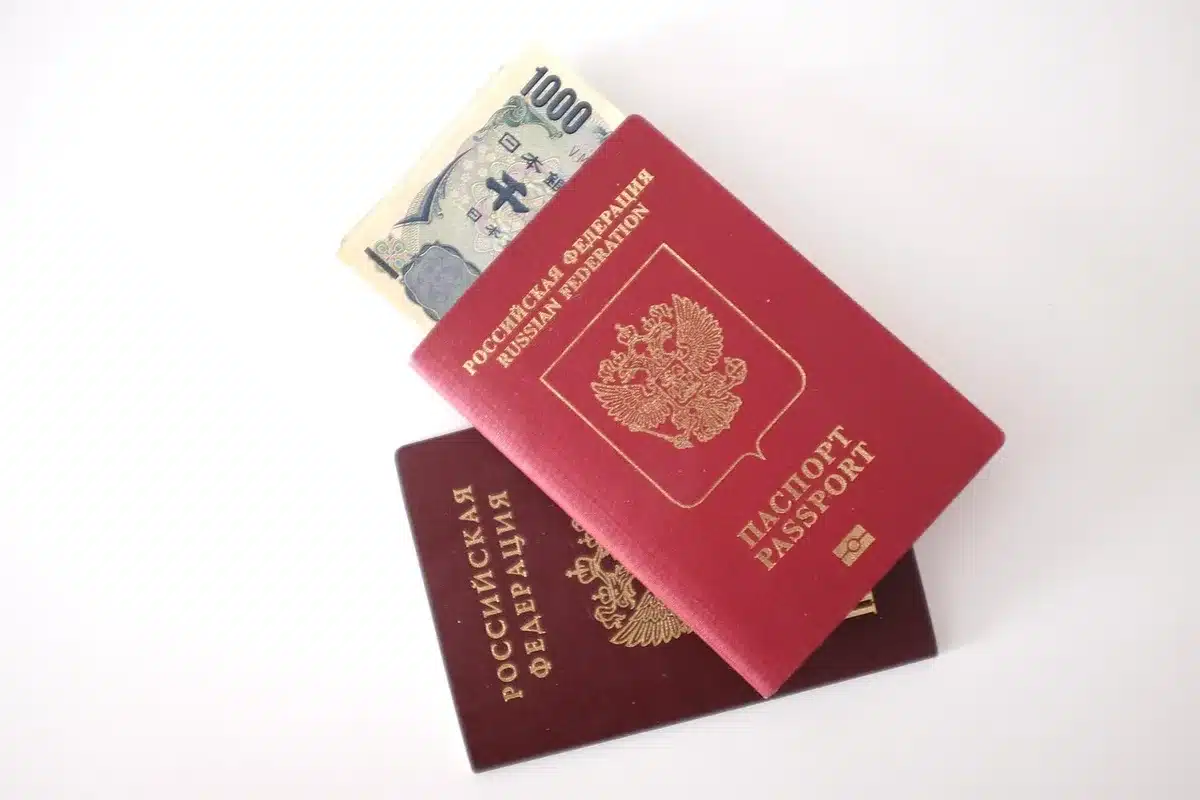
- Visa refusals forced long waits and alternate routes.
- Economic downturns stripped away outside funding.
- Natural hazards, from jungles to sea ice, demanded flexible planning.
These obstacles turned the expedition into a decades-long undertaking rather than a few years of trekking.
What the trip cost him at home and how he pays the price
Staying on the move for nearly 30 years has changed Bushby’s relationships. He has rarely lived near family. Visits home were infrequent and brief.
He has seen his mother and son only a few times as they met him along the way. He has a granddaughter he has not yet met in person. Bushby says his ambitions have come at a real personal cost. He acknowledges that long journeys can strain the people closest to you.
Practical lessons from a lifetime of walking
Bushby often fields questions from aspiring long-distance travelers. His advice is pragmatic.
- Keep the trip within a manageable timeframe.
- Consider the impact on family and relationships.
- Expect bureaucratic delays and budget for them.
- Be prepared to adapt your route when politics or weather intervene.
He warns that expeditions that stretch beyond five years can erode ties at home. The longer the absence, the more complex the emotional and social consequences.
The return to England and the endgame of The Goliath Expedition
After more than a quarter-century away, Bushby reached U.K. soil. Denied permission to walk through the Channel Tunnel, he chose to swim the English Channel instead.
He told radio interviewers he would like the journey to last longer, but that he expects to reach his mother’s home in Hull by early November. For him, the final steps are as much about reestablishing everyday life as they are about sealing the record.
How a moving sense of “home” shaped the trek
Years spent in remote towns and foreign cities altered Bushby’s sense of belonging. At times places in Mexico and Colombia felt more like home than England.
Now that he is physically back in his home country, he says the return is more like learning it anew. He is rebuilding ties and adjusting to life after decades of constant movement.