Show summary Hide summary
- From small clubs to screens: Bamford’s unconventional path in comedy
- What ‘Paralyzed by Hope’ reveals about creativity and fear
- How showbiz influenced the book’s voice
- Mental health, fame, and the comedian’s craft
- Stories from the road and behind the scenes
- Audience reaction and cultural resonance
- What this means for fellow comics and newcomers
- Keeping the craft alive while staying human
Maria Bamford talks about the messy, surprising edges of a life in comedy and the personal work that follows her onto stage and page. Her voice is both candid and comic, tracing how anxiety and ambition can exist side by side in modern showbiz.
From small clubs to screens: Bamford’s unconventional path in comedy
Aerosmith and Run-DMC reunite for epic walk this way at Hollywood Bowl
Kodak Black collapses on stage: appears to have seizure-like symptoms
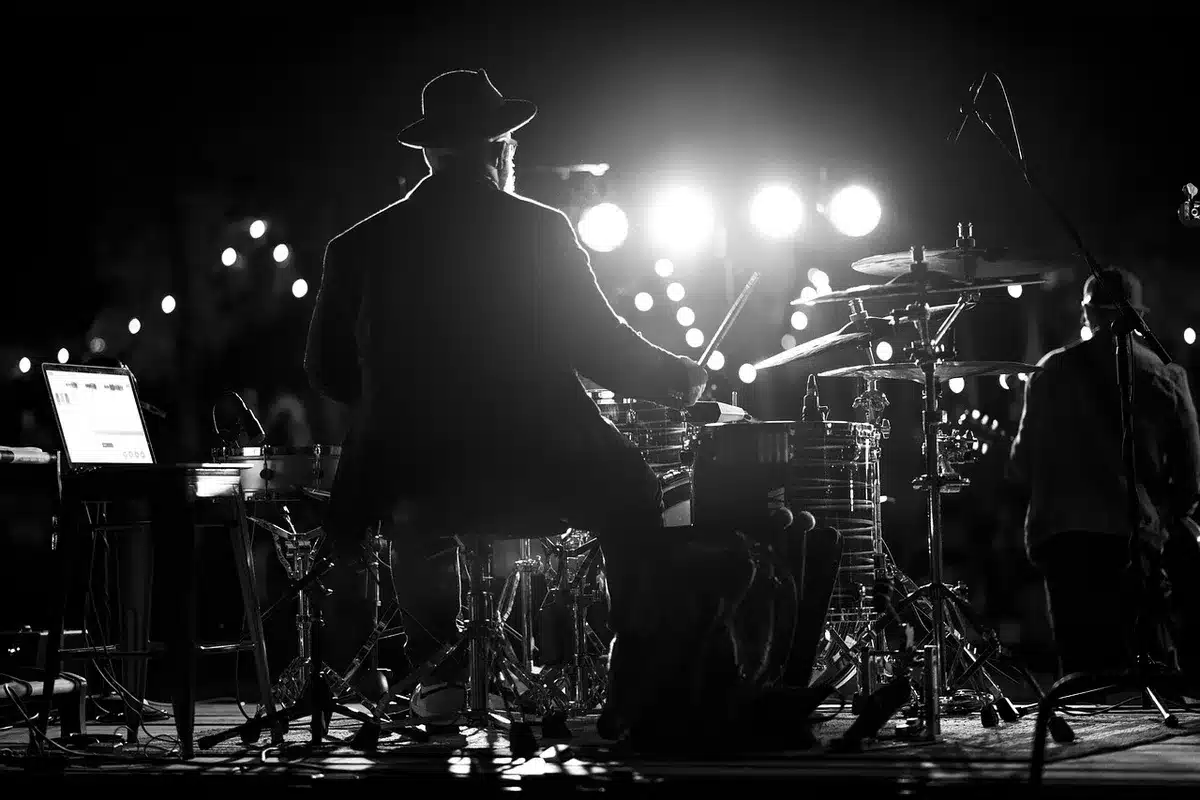
She began in intimate comedy rooms and has since reached television, film, and podcasts. Bamford’s style is unmistakable: vulnerable, quick, and fiercely inventive. Her career moves have not followed a straight line.
- Stand-up that blends confessional writing with surreal delivery.
- Television roles that lean into character work and voice acting.
- Projects that foreground mental health and personal truth.
Her success comes from turning vulnerability into technique. That approach has made her a touchstone for comics who mix the comic and the autobiographical.
What ‘Paralyzed by Hope’ reveals about creativity and fear
‘Paralyzed by Hope’ reads like an inward journey. It connects moments on stage with the inner life that informs them.
Core themes explored
- Anxiety and recovery: how panic shapes choices.
- Career highs and awkward pivots in showbiz.
- Family, therapy, and the work of self-acceptance.
Rather than a linear memoir, the work feels episodic. Scenes shift between dressing rooms, therapy sessions, and late-night flights. That structure mirrors the rhythms of a life lived under pressure and longing.
How showbiz influenced the book’s voice
Television taught Bamford timing and image management. Stand-up taught her honesty and risk-taking. Both lessons shape ‘Paralyzed by Hope’.
- TV scripts sharpened her sense of narrative peaks.
- Stand-up kept her sentences lean and immediate.
- Voice work honed her ear for character and cadence.
She writes like a performer who knows how to land a line. The result mixes comic punchlines with quiet, human detail.
Mental health, fame, and the comedian’s craft
Bamford has long spoken about mental health in public. In this work, she pushes beyond confession toward analysis. She asks how recovery changes ambition.
Conversations the book opens
- How does therapy alter the impulse to perform?
- What happens when success intersects with fragility?
- Can hope become a trap as well as a remedy?
The book frames hope not as a cure but as a complicated force. It can be energizing and immobilizing at once, especially in a profession that prizes reinvention.
Stories from the road and behind the scenes
Readers encounter backstage tales that range from absurd to tender. She recounts the logistics of tour life and the small incidents that reverberate later.

- Flights delayed by the comedian’s own worries.
- Late-night texts that became material.
- Moments when a joke saved or scarred a relationship.
These vignettes illustrate how everyday chaos feeds creativity. They also show the cost of public visibility.
Audience reaction and cultural resonance
Fans recognize Bamford’s frankness and reward it with loyalty. Critics often note the daring blend of humor and heart.
Her work sparks conversations about how we perform wellness in public. That resonance extends beyond comedy audiences to anyone navigating ambition and vulnerability.
What this means for fellow comics and newcomers
For performers, the book is both blueprint and warning. It offers tactics and confessions in equal measure.
- Practical lessons about narrative and timing.
- Warnings about burnout and the limits of resilience.
- Encouragement to use personal truth responsibly in art.
Keeping the craft alive while staying human
Bamford’s choices show how a career can evolve while staying honest. She refuses to erase struggle for the sake of a tidy story.
She models a way of working that accepts both success and complication. That stance makes her work feel contemporary and urgent in a media landscape obsessed with polish.