Show summary Hide summary
- How listeners uncover buried secrets in music
- Horror motifs threaded through album art and lyrics
- Notable fan findings that sparked conversations
- Why My Chemical Romance leans into horror imagery
- The fan ecosystem: investigation, debate, and celebration
- How to look for hidden details in your own copies
My Chemical Romance’s music has long felt cinematic and eerie, but a growing number of fans now say the band hid deliberate horror-themed surprises across their albums. Collectors, audiophiles, and sleuthing listeners have turned sleeve notes, vinyl runouts, and audio files into treasure maps. The discoveries blend art, theater, and cryptic messaging, and they keep fueling debate online.
How listeners uncover buried secrets in music
Opening a record or loading a CD is no longer passive for many fans. They treat media like clues.
Aerosmith and Run-DMC reunite for epic walk this way at Hollywood Bowl
Kodak Black collapses on stage: appears to have seizure-like symptoms
Common methods used by the community
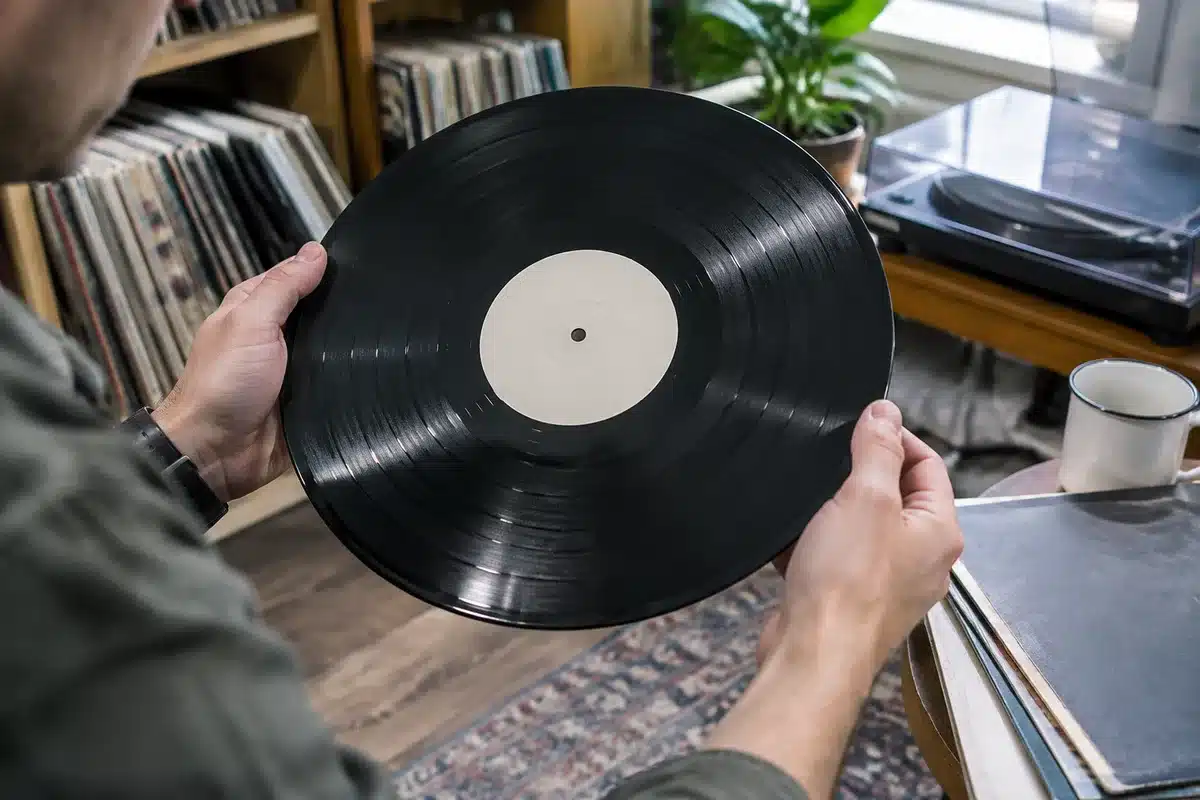
- Inspecting vinyl runouts and dead wax etchings for cryptic text.
- Playing audio backwards or adjusting pitch for hidden phrases.
- Running songs through spectrograms to reveal images.
- Scanning album artwork and liner photos for layered details.
- Following URLs or codes reportedly etched into packaging.
These techniques turn everyday physical details into potential Easter eggs.
Horror motifs threaded through album art and lyrics
Across My Chemical Romance’s catalog, fans point to recurring visual and lyrical patterns. Death imagery, theatrical makeup, and Victorian motifs appear repeatedly.
- Funeral and parade imagery that evokes processions and masks.
- Blood-red color schemes, torn clothing, and staged wounds.
- References to medical or anatomical objects in photos and designs.
- Nods to classic horror aesthetics—silhouettes, shadow play, and empty eyes.
Those elements amplify the band’s narrative-driven songs and invite deeper scrutiny.
Notable fan findings that sparked conversations
Online forums and social feeds have cataloged dozens of claims. Some stand out for their creativity and replay value.

- Backmasked audio: listeners report short reversed phrases hidden in intros or outros.
- Etched messages: subtle text in vinyl’s dead wax that fans interpret as clues.
- Spectrogram images: a few tracks reveal faint shapes or faces when visualized.
- Hidden track placement: tracks beginning after long silence or unlisted audio bites.
- Art-layer secrets: layered artwork that shifts meaning when zoomed or desaturated.
Every discovery tends to generate a thread, a video, and a wave of imitation tests.
Why My Chemical Romance leans into horror imagery
The band’s sound has always mixed punk, emo, and theatrical rock. Horror visuals fit naturally with that aesthetic.
- Concept albums ask listeners to follow characters and plots.
- Stagecraft and costumes create a serialized, comic-like narrative.
- Frontman Gerard Way’s background in comics encourages visual storytelling.
- Horror offers a dramatic language to explore grief, loss, and identity.
These choices make each release a multi-sensory experience.
The fan ecosystem: investigation, debate, and celebration
From Discord servers to YouTube channels, communities re-create tests, share findings, and challenge each other.
- Dedicated threads archive timestamps, images, and audio clips.
- Independent archivists compare different pressings and editions.
- Documentaries and fan videos compile the most compelling claims.
- Collecting rare versions has become part of the hobby for some fans.
Community scrutiny often separates plausible hidden elements from wishful thinking.
How to look for hidden details in your own copies
Anyone can try a basic investigation without special gear.
- Examine the inner sleeve and margin notes under good light.
- Play suspect passages backwards or at slower speeds.
- Run audio through a free spectrogram tool to check for images.
- Compare pressings and digital releases for differences.
- Document findings with timestamps and photos, then share them.
Careful listening and a collaborative approach increase the odds of meaningful discoveries.