Show summary Hide summary
- Why many critics blame religion for political harm
- Authors propose a counterintuitive fix: reclaim faith’s civic role
- What faith-based institutions are said to offer public life
- Practical steps the book recommends for liberals and the nonreligious
- Why skeptics worry religion can also intensify divisions
- Political signs that the book’s idea is gaining traction
- Where the conversation could realistically go from here
Debate about religion’s role in American life is growing louder. Some see faith as fueling division. Others now argue that a lack of religious life has actually worsened polarization and damaged democratic norms. A new book pushes a surprising remedy: more, not less, organized religion — or at least more respectful engagement with it.
Why many critics blame religion for political harm
Recent years have seen religious leaders publicly embrace political causes. Some conservative ministers promote Christian nationalism. High-profile commentators have used religious language to justify foreign policy or cultural battles. To many observers, these developments suggest faith can undermine pluralism.
80s British indie bands that changed American alternative rock forever
Pearl Jam drummer quits after 27 years: band says where things stand
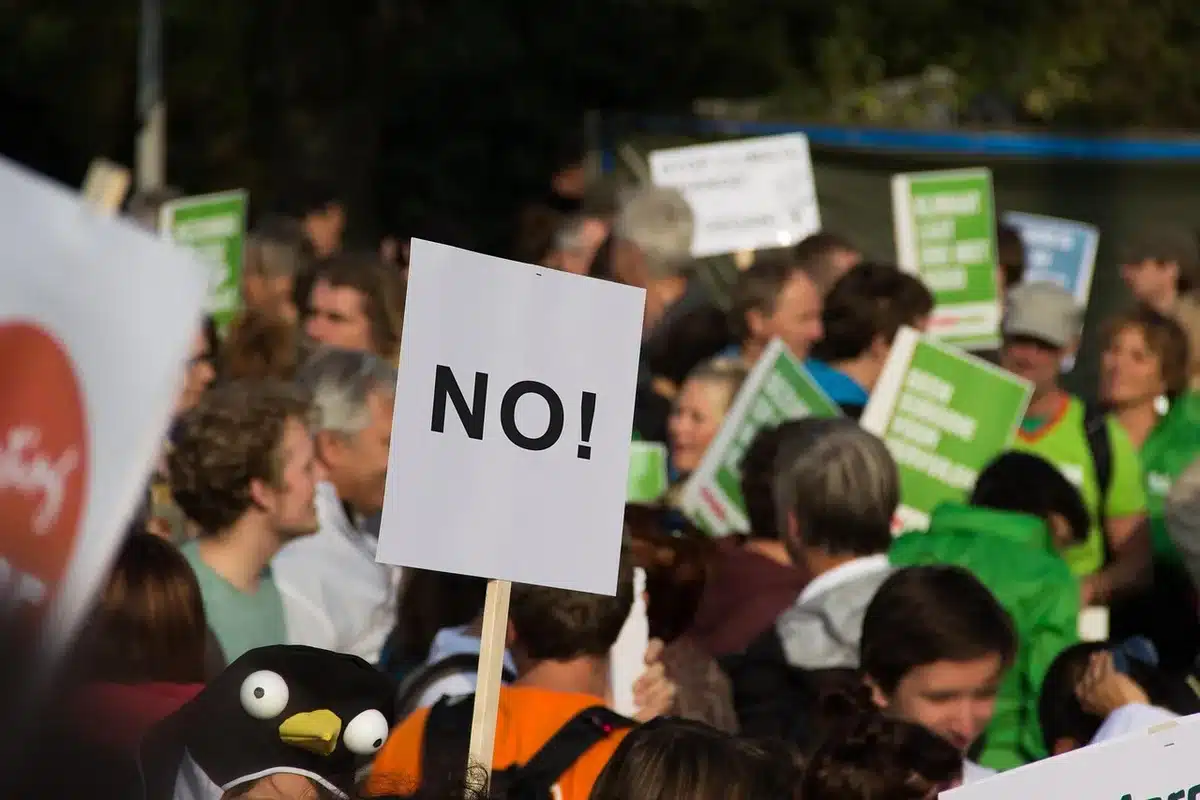
That perception has fed a broader backlash. Academics, activists, and secular voters often react by dismissing religious claims in public life. The result is a widening cultural divide.
Authors propose a counterintuitive fix: reclaim faith’s civic role
In Can Religion Save Democracy?, conservative scholar Matthew Kaemingk and liberal writer Shadi Hamid argue the civic decline follows a drop in communal religious life.
Their thesis is simple: as people leave congregations, the deep needs religion once addressed — meaning, identity, moral certainty — migrate into politics. Passion that used to center on worship now centers on elections.
What faith-based institutions are said to offer public life
- Routine communal practices that channel emotions.
- Shared rituals and stories that build trust and social capital.
- Moral frameworks that encourage restraint and forgiveness.
- Spaces for debate that are not simply political battlegrounds.
The authors draw on long-standing ideas. They reference thinkers who argued humans seek belonging, and social scientists who documented how churches foster civic networks. Their claim: losing those institutions leaves an emotional vacuum politics fills.
Practical steps the book recommends for liberals and the nonreligious
Kaemingk and Hamid ask nonbelievers and liberal voters to change tack. Instead of sidelining religion, they encourage curiosity and respectful engagement.
- Attend a service or community event to better understand faith in practice.
- Experiment with prayer-like or contemplative routines to calm partisan rage.
- For religious liberals: rejoin congregational life rather than practicing faith in isolation.
- For secular Americans: recognize the civic benefits faith communities can provide, even if you don’t share beliefs.
The goal is not conversion, the authors say, but to recover civic habits that reduce polarization.
Why skeptics worry religion can also intensify divisions
There are powerful counterarguments. Many of the most partisan voters are also highly religious. Evangelicals and other devout groups remained loyal to polarizing leaders in recent cycles.
That reality raises a core question: if organized religion moderates people, why did some religious communities embrace harsh politics?
- Some argue political loyalties overrode religious norms.
- Others point to the rise of de‑institutionalized religiosity that lacks community accountability.
- Research shows religious intensity sometimes correlates with support for more punitive policies.
Hamid responds by distinguishing between faith as a lived, communal practice and partisan religious rhetoric. He contends that those most fervent for authoritarian politics are often less engaged in institutional worship.
Political signs that the book’s idea is gaining traction
Despite doubts, signs of a shift are emerging inside politics. Some Democratic candidates now foreground faith to connect with voters in conservative states.
- Religious Democrats are running in key races this year.
- Several prominent governors have spoken publicly about faith and civic life.
- International religious leaders have urged secular liberals to rethink how they treat religion.
At the same time, developments like a new Office of Religious Affairs at the Pentagon and frequent religious rhetoric in government make secular skeptics cautious. Many fear religious language can be weaponized.
Where the conversation could realistically go from here
To make the authors’ proposal work would require mutual changes. Religious communities would need to resist partisan capture. Secular Americans would have to engage without endorsing particular doctrines.
Neither side can simply ignore the other. The book asks both to accept some discomfort while testing whether renewed civic faith can temper extremism.
Key actions suggested for civic repair
- Build cross‑communal encounters that focus on service and dialogue.
- Promote congregational practices that cultivate humility.
- Encourage political candidates to speak honestly about belief without weaponizing it.
- Support research on faith’s real effects on civic behavior.