
Show summary Hide summary
- Who is Tilly Norwood and why she matters to studios
- What the industry is saying: unions, actors, and agencies react
- Where AI actors could pose a real threat
- Marketing, entertainment use cases, and the business pitch
- Hype versus reality: technical limits and audience tolerance
- Legal, ethical, and technological winds shaping the debate
- How studios and creators are preparing for an uncertain future
A digitally created young actress is stirring fierce debate across Hollywood and social media. Her name is Tilly Norwood, and her makers say she is a new kind of entertainment talent — one that exists entirely in code and pixels. The reaction has been swift and loud, from viral attention to union protests, raising urgent questions about the future of performers and the rules that will govern AI-made stars.
Who is Tilly Norwood and why she matters to studios
Tilly Norwood is not a person in the traditional sense. She is a photorealistic avatar developed by Particle6, a UK-based AI production company. The firm unveiled a dedicated AI talent studio called Xicoia at a recent film festival, pitching a future where digital performers appear across screens and platforms.
Nas slams music industry over disrespect: teases new music, vows to address it
1992 vocal performances: 3 jaw-dropping moments that still amaze
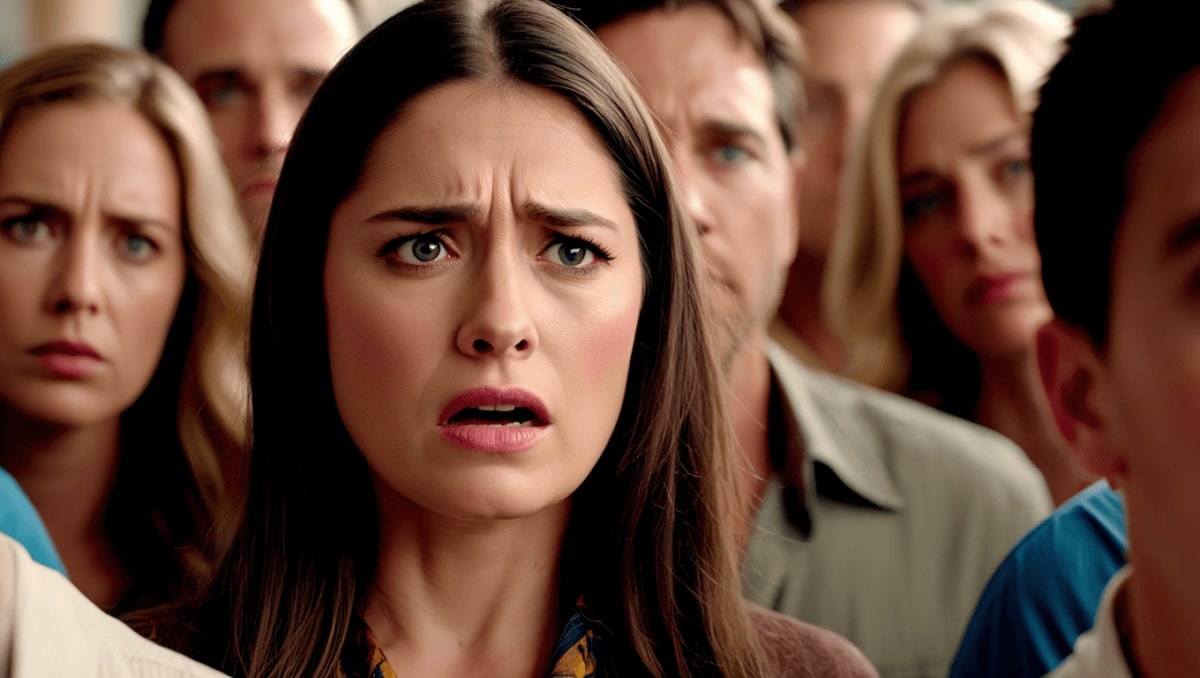
The avatar’s profile looks familiar: a young brunette with a neutral, influencer-ready aesthetic. Her social channels show staged, AI-created content and a short, cryptic bio that has fueled conversation online. Particle6 positions Norwood as a multi-platform asset — able to act, host, model, and engage audiences without the constraints of human schedules.
What the industry is saying: unions, actors, and agencies react
The announcement prompted immediate pushback from performers and their representatives. Major industry unions have voiced concern. SAG-AFTRA, for example, warned that creative work should remain centered on humans and criticized the idea of replacing actors with synthetics.
High-profile actors have also spoken out. Some described the concept as alarming and dehumanizing, citing the importance of human connection in performance. Prominent agencies publicly distanced themselves, saying they primarily represent human talent and are not ready to sign AI-only clients.
Statements and headlines
- SAG-AFTRA: Opposes synthetic replacement of human performers.
- British actors’ union Equity: Labels AI avatars as tools, not actors.
- Top agencies: Reassert focus on real human clients.
Where AI actors could pose a real threat
Experts say the most immediate risk is not A-list competition. Instead, background performers, extras, and some voice artists face greater exposure to substitution by digital copies.
Technologies such as body scanning, motion capture, and voice cloning make it easier to reproduce a performer’s look or sound. When used at scale, these tools can reduce casting and on-set costs for producers. That financial incentive is a primary driver behind the push toward synthetic talent.
Contract protections and current safeguards
Recent labor agreements included clauses about AI. Under those deals, studios may create and use digital copies when actors consent and receive compensation. Yet many performers say the rules leave loopholes and do not fully protect gig workers.
Marketing, entertainment use cases, and the business pitch
Particle6 and similar shops promise a broad slate of applications for AI talent. The pitch blends commercial and creative value, with claims that digital performers can work across formats and time zones.
- Film and television roles that require controlled, repeatable performances
- Advertising campaigns and branded content
- Social media personalities and influencer-style appearances
- Video games, motion capture projects, and virtual worlds
- Podcasts and voice-driven content via AI-synthesized speech
For producers, the selling point is efficiency and predictability. An AI avatar never ages, does not need rest, and can be deployed in simultaneous projects.
Hype versus reality: technical limits and audience tolerance
Despite flashy demos, experts caution about gaps between laboratory results and convincing, long-form performance. Subtle emotional nuance remains difficult to reproduce consistently. Interaction with other actors, improvisation, and live presence are areas where humans still excel.
Public response to AI avatars is mixed. Some viewers are curious; others react with unease. The controversy often drives more attention than the work itself, creating marketing buzz that can be as valuable as the avatar’s intended use.
Legal, ethical, and technological winds shaping the debate
The rise of synthetic talent sits at the intersection of law, ethics, and product design. Key questions include consent, likeness rights, and how to prevent misuse such as deepfakes.
Recent tech launches have intensified the debate. Large platforms now offer AI-driven feeds and apps that can generate content using copyrighted works and human likenesses. These developments make the governance challenge more urgent.
Regulatory and policy pressures
- Copyright and personality rights: Who owns a generated likeness?
- Labor protections: How to ensure fair pay and consent for human performers?
- Platform responsibility: What limits should social apps impose on AI-created content?
How studios and creators are preparing for an uncertain future
Some entertainment leaders are already setting boundaries. Agencies have publicly limited interest in signing synthetic clients. Meanwhile, studios and unions continue negotiating terms for the use of AI tools on sets.
Industry observers say practical compromise is likely. Rules that protect human performers while allowing ethical and transparent use of AI could emerge from collective bargaining and regulation.
What to watch next
- Legal challenges over likeness and IP tied to digital performers
- Contract language from studios that clarifies consent and pay
- Consumer reactions to AI-driven movies, ads, and influencer content
- New platform features that enable or limit use of synthetic media
The coming months will reveal whether avatars like Tilly Norwood become oddities of marketing or a foothold for a wider industry shift. New product launches, union decisions, and agency policies will shape that path as the debate continues.










