Show summary Hide summary
- Bellamy’s vision for an AI-powered musical instrument
- Key features artists want from an AI instrument
- How AI tools are already influencing music creation
- Muse’s tech history points toward experimentation
- Ethical and legal questions surrounding AI music tools
- Potential impact on live shows and fan experiences
- Technical hurdles before an AI instrument is practical
- What musicians and fans should watch for next
Muse frontman Matt Bellamy has been thinking about the next leap in music tech. Known for blending guitars and synths with futuristic themes, he now imagines an instrument powered by artificial intelligence. His idea could reshape how musicians compose and perform, but he warns the technology may not be fully ready.
Bellamy’s vision for an AI-powered musical instrument
Bellamy described an instrument that does more than play notes. He wants a tool that listens, adapts, and responds in real time. The concept pairs human creativity with machine learning to create sounds that evolve during a performance.
Tom Morello missed historic Iron Maiden tribute: the frustrating reason he reveals
Hayley Williams stuns fans by going hardcore: recruits ’90s alt legends
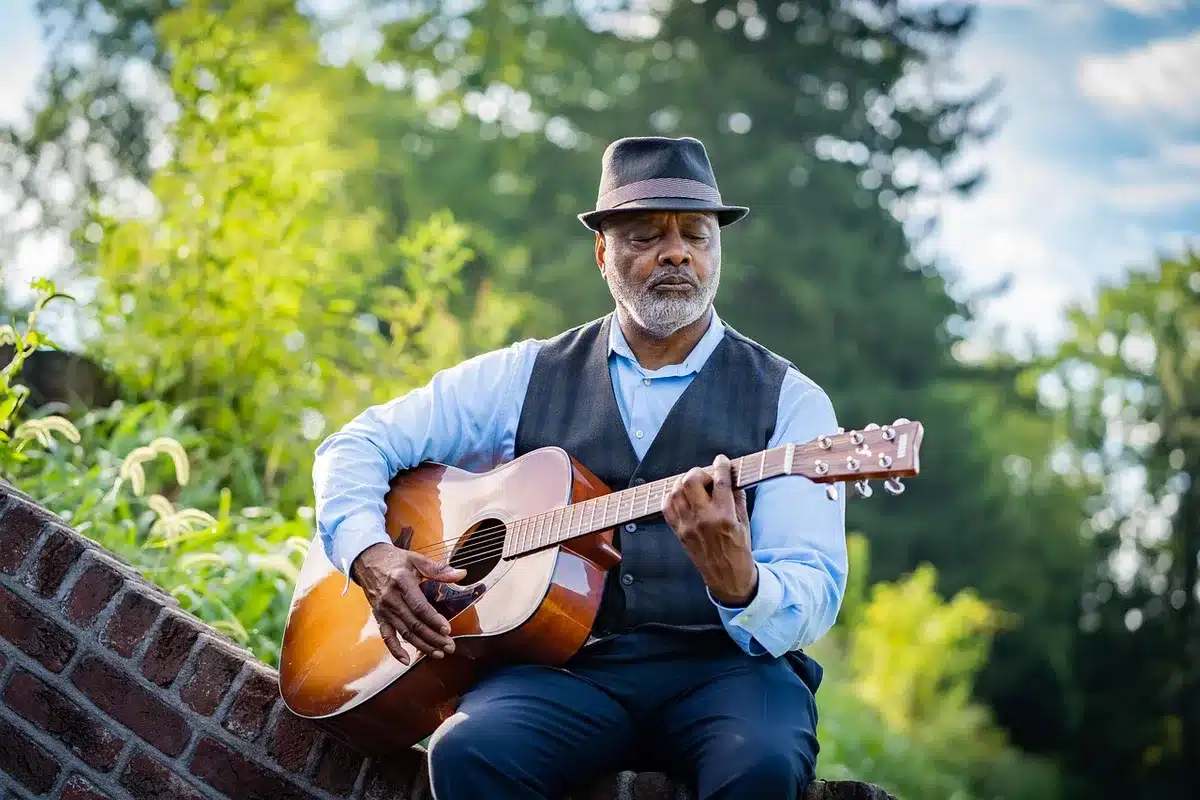
“I’m not quite sure the tech’s there yet,” he said, noting the gap between imagination and current capability. Still, the idea hints at new ways artists could collaborate with software on stage and in the studio.
Key features artists want from an AI instrument
Musicians and producers often list the same priorities when imagining next-generation tools. An ideal AI instrument would:
- React instantly to player input with low latency.
- Learn a musician’s style and anticipate phrasing.
- Generate harmonious and novel textures on demand.
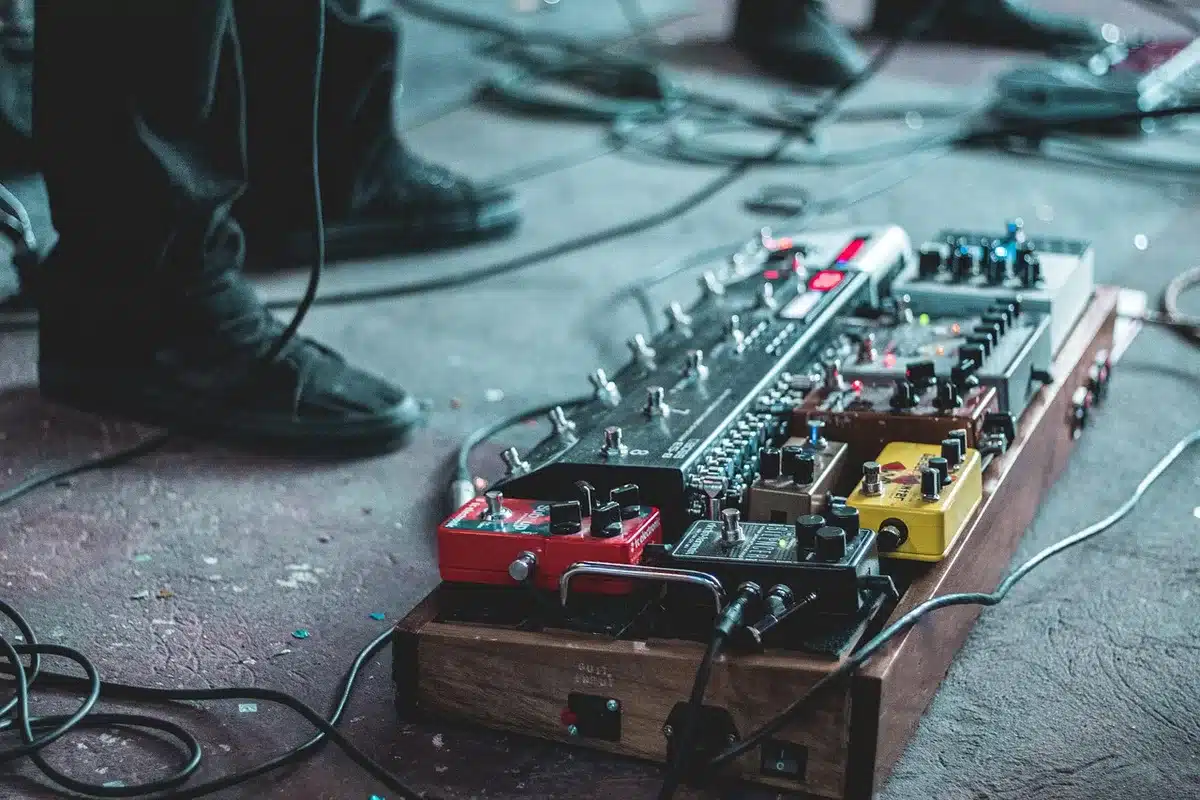
- Integrate with existing gear like guitars and synths.
- Allow expressive control rather than rigid presets.
Those features aim to enhance, not replace, a musician’s expressiveness.
How AI tools are already influencing music creation
Generative AI and machine learning are reshaping composition and sound design. Apps and plugins can now suggest chord progressions, produce backing tracks, and synthesize vocal snippets.
Where these tools help
- Speeding up sketching and arrangement work.
- Offering fresh ideas when artists face writer’s block.
- Creating textures that would take hours to design manually.
Where they fall short
- Often lack nuanced dynamics and human timing.
- Can produce clichés without proper guidance.
- Raise questions about ownership and credit.
Muse’s tech history points toward experimentation
Muse has a record of pushing musical boundaries. Bellamy’s guitars and the band’s use of synths and effects show a willingness to adopt new tools. That background makes his interest in an AI instrument feel like a natural next step.
Ethical and legal questions surrounding AI music tools
As AI moves into the creative process, it brings complex issues. Rights, royalties, and authorship are central concerns. Musicians worry about work generated without proper credit or compensation.
Industry debates focus on how to protect artists while allowing innovation. Policymakers and platforms are still trying to catch up with the pace of development.
Potential impact on live shows and fan experiences
An AI instrument could change how concerts feel. Imagine a system that tailors arrangements to audience reaction or improvises alongside the band. That would make each performance unique.
- Customized set lists that shift in real time.
- Interactive elements for fans via apps or wearables.
- New improvisational partners for soloists and bands.
Technical hurdles before an AI instrument is practical
Developers face several obstacles. Latency must be negligible for live play. Machine learning models need to understand nuance and emotion. Integration with hardware must be seamless.
Bellamy’s caution reflects these limits. He believes the creative potential is vast, but the tools must reach a certain maturity before they can deliver what artists expect.
What musicians and fans should watch for next
Expect gradual steps rather than a single breakthrough. Early products will augment workflows. Over time, more expressive and responsive systems will emerge.
Keep an eye on collaborations between instrument makers, AI researchers, and performing artists. Those partnerships will likely shape the first viable prototypes.