
Show summary Hide summary
- How algorithmic feeds create unexpected viral hits
- From Beanie Babies to Labubu — changing engines of hype
- Why matcha lattes and Dubai chocolate perform so well online
- The appeal of making online culture physical
- How algorithmic attention favors the childlike and the sensational
- Practical takeaways for brands and shoppers navigating trend cycles
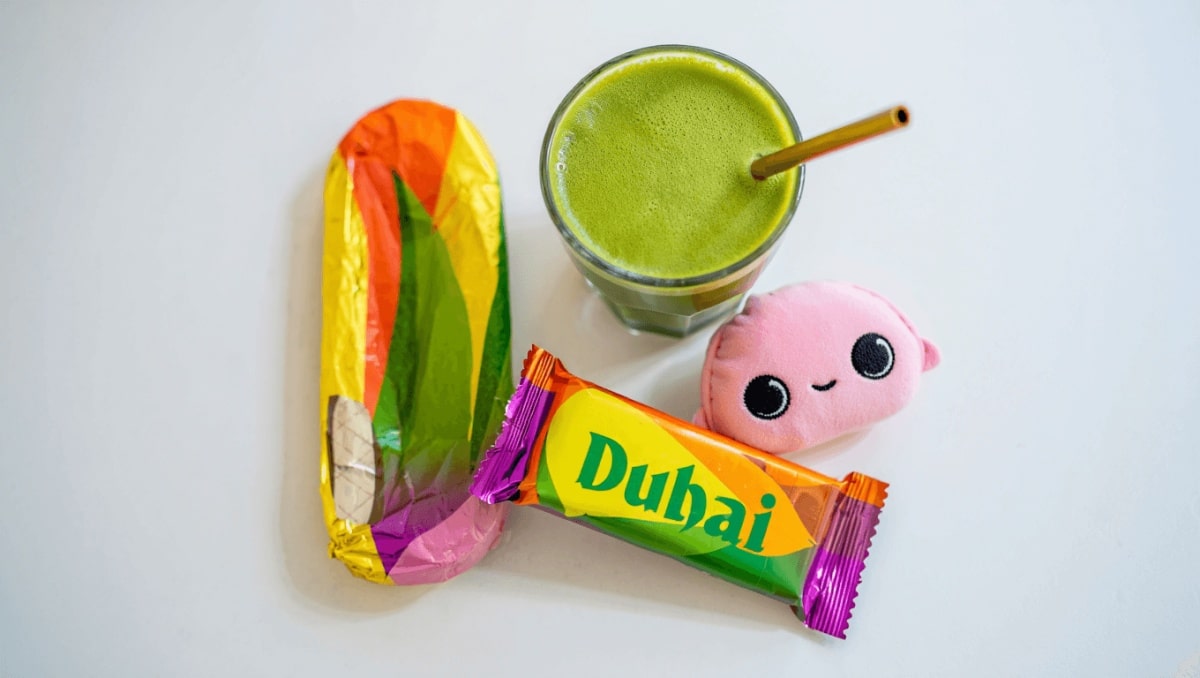
Scroll for two minutes and you’ll see it: a glossy matcha latte, a candy-bright Dubai chocolate bar, a tiny clip-on plush called Labubu. These fragments of internet culture feel random, but they reveal a new logic. Algorithms now pick what becomes visible, and that has reshaped how products catch fire online.
How algorithmic feeds create unexpected viral hits
Modern social platforms reward immediate reactions. A single frame can prompt a like, a share, or a double-tap. That split-second appeal is worth more than a long explanation.
Nas slams music industry over disrespect: teases new music, vows to address it
1992 vocal performances: 3 jaw-dropping moments that still amaze
- Platforms prioritize engagement over context.
- High-contrast visuals and vivid textures stop thumbs in their tracks.
- Short, repeatable clips increase the chance of trends spreading.
Because context is stripped away, it’s hard to trace why a joke, a snack, or a toy suddenly becomes everywhere. The algorithm makes the audience, not the tastemaker.
From Beanie Babies to Labubu — changing engines of hype
Not long ago, trends grew through clear networks. Retail, collectors, and early media created demand that moved through shops and auctions.
What fueled the Beanie Baby craze
In the 1990s, limited runs and collectible culture met a new tool: online resale. eBay let people trade nationwide and treat toys as an informal market. That combination turned plush toys into speculative assets.
Why the Labubu craze feels different
Today’s viral items often thrive without that same economic logic. People buy Labubu clips and even cheap imitations, often to wear them in photos. It’s less about investment and more about visual belonging.
In short: past trends had clearer motives; current ones hinge on visual appeal and shareability.
Why matcha lattes and Dubai chocolate perform so well online
Food and color are perfect for short-form video. Matcha’s soothing green and Dubai chocolate’s layered textures are compelling in motion.
- Food porn translates immediately on camera.
- Unexpected flavor combos invite curiosity and comments.
- Brands benefit when a product looks irresistible in a six-second clip.
These features trigger the same attention signals the algorithm rewards: vividness, novelty, and emotional reaction.
The appeal of making online culture physical
Viral objects offer a way to inhabit a shared online moment in the real world. People crave that bridge from screen to street.
- Going to buy a viral snack creates a shared story with friends.
- Collecting or wearing trending items signals participation.
- Physical experiences validate online attention.
Viral products give users a small, tangible consensus reality. That helps explain why many trends survive beyond a single TikTok loop.
How algorithmic attention favors the childlike and the sensational
Social feeds reward strong emotional responses. Bright colors, sweet treats, and cute accessories trigger quick, often youthful reactions.
- Highly stimulating content gets boosted.
- Adult users can be nudged toward infantilized purchases.
- Low-context discovery reduces the role of traditional media gatekeepers.
That dynamic makes the internet a fertile ground for products that feel playful or nostalgic.
Practical takeaways for brands and shoppers navigating trend cycles
- Brands: focus on how products look in motion and how easily they can be replicated.
- Marketers: prioritize short clips that spark an emotional hit within seconds.
- Consumers: be aware of how algorithms shape desire.
For anyone watching trends: understanding attention mechanics is as important as liking the product itself.










