
Show summary Hide summary
- A bold Victorian spectacle with a modern showrunner
- The heart of the story: a brewing empire at a crossroads
- Portraits of the heirs: tense, flawed, sometimes softened
- Opposing forces: politics, religion and public fury
- Style vs. substance: where the series leans
- How history is handled: sympathy, not scorn
- Acting that keeps the pace engaging
- Pacing, romance and narrative choices
- What viewers can expect from the premiere and beyond
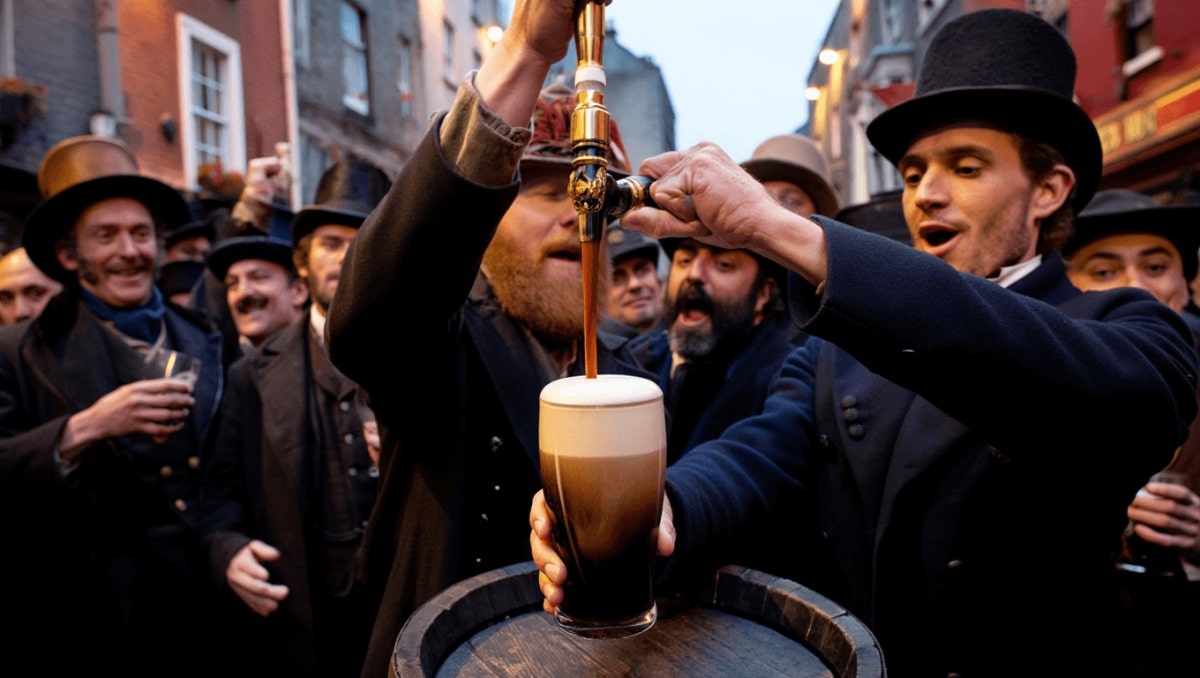
Netflix’s latest period drama, House of Guinness, arrives with thundering flair and a cast of familiar faces. Steven Knight, the creative mind behind Peaky Blinders, brings a lavish tale of power, love and public image to the 19th-century streets of Dublin. The series pairs grand visuals with intimate betrayals, and leans on strong performances to keep its momentum running.
A bold Victorian spectacle with a modern showrunner
House of Guinness blends cinematic set pieces with serialized storytelling. The premiere, directed by Tom Shankland, opens amid funeral crowds and political unrest. The series favors dramatic set pieces — slow-motion entrances, explosions, and charged declarations — to establish tone. It’s a show built to capture attention, often choosing spectacle over quiet detail.
Nas slams music industry over disrespect: teases new music, vows to address it
1992 vocal performances: 3 jaw-dropping moments that still amaze
The heart of the story: a brewing empire at a crossroads
Set in 1868, the plot centers on the death of Benjamin Guinness and the fight over who will steward the family empire. The crisis is as much about inheritance as it is about identity, public reputation and the changing political landscape of Ireland. Family squabbles collide with public protests, and every decision is filtered through class, faith and power.
Main themes driving the drama
- Succession and responsibility
- Public image versus private motives
- Class inequality and social unrest
- Religion, nationalism and commercial ambition
Portraits of the heirs: tense, flawed, sometimes softened
The central figures are the late brewer’s four children. Each carries a different temperament and claim to the brewery’s future.
Arthur — the reluctant scion
Played by Anthony Boyle, Arthur is the eldest and expected heir. He loathes the family’s strictures and dreams of escape. Boyle brings an old-world poise that belies the character’s internal restlessness.
Edward — practical and ambitious
Louis Partridge’s Edward is the youngest but the most capable manager. He has the aptitude to run the firm but lacks the traditional right of primogeniture. His arc explores whether competence will win over inherited privilege.
Benjamin and Anne — disorder and devotion
Fionn O’Shea’s Benjamin struggles with drink and gamble-fueled self-destruction. Emily Fairn’s Anne is fragile in body and fierce in faith. Both are treated as peripheral by the patriarch, and that neglect shapes much of their behavior.
Rafferty and Olivia — catalysts around the family
James Norton plays Rafferty, the brewery’s theatrical fixer. He savors the role with relish and gives the show a sharp, performative edge. Danielle Galligan debuts as Olivia, a confident woman whose arrival tilts several relationships. Her choices drive crucial plot turns late in the season.
Opposing forces: politics, religion and public fury
The series weaves the Guinness household into a wider Irish canvas. Fenians and unionists trade taunts and threats. Religious leaders denounce the business that funds the family name. The show does not ignore the era’s inequality: ice from Greenland for the wealthy, disease and scarcity for the poor.
Key antagonists and tensions
- Paddy and Ellen, siblings linked to independence activism
- An uncle who weaponizes faith against the brewery
- Workers and protesters who make the family’s public life perilous
Style vs. substance: where the series leans
House of Guinness delights in high-impact moments. Speeches, fights and impulsive acts land with cinematic force. Yet the show sometimes skirts the slow work of character psychology. Transformations often happen offscreen, leaving viewers to accept sudden changes without full context.
The result is a trade-off: brisk pacing and memorable scenes, but less time spent teasing out moral complexity or gradual evolution.
How history is handled: sympathy, not scorn
While the drama acknowledges social ills, it rarely constructs a blistering indictment of the family. The Guinnesses are shown to be capable of charity and softening political stances. Still, the series suggests PR motives often drive those shifts as much as conscience does.
Producers include a Guinness descendant, Ivana Lowell, and that proximity to legacy likely shapes the show’s gentler portrayal. The family’s flaws are framed as obliviousness more than malice.
Acting that keeps the pace engaging
Strong performances anchor the show’s theatrical impulses. James Norton’s Rafferty has a deliciously performative quality. Anthony Boyle communicates heartbreak with subtle physicality. Louis Partridge and Danielle Galligan bring urgency to their respective arcs.
- Standout scenes rely on actors selling the moment.
- Big revelations often hinge on a single, committed turn.
- The ensemble makes melodrama feel earned.
Pacing, romance and narrative choices
The eight-episode season opts for momentum. Romance and scandal arrive quickly. Readers who prefer slow-burn character work may feel distanced from some relationships. Yet the series often makes those emotional beats land through staging and performance rather than exposition.
At times, the plot pulls characters together because the story requires it. Still, the show usually convinces through atmosphere and well-timed set pieces.
What viewers can expect from the premiere and beyond
Expect visual bravado, heated family sparring, and a Dublin of stark contrasts. The show will reward viewers who like lush production design and dramatic highs. If you want an unflinching, satirical takedown of privilege, this series aims for warmth and human drama more than moral excoriation.










