Show summary Hide summary
For many millennials, a handful of indie bands didn’t just supply playlists — they shaped wardrobes, humor, and even life choices. Those early 2000s acts provided more than music; they offered an identity. This piece explores three such groups whose sounds became shorthand for a generation.
The Strokes: New York swagger turned millennial uniform
How a raw garage sound became an aesthetic
Rapper retirements reversed: 3 famous quits that turned into comebacks
Wiz Khalifa granted surprise legal lifeline: could derail prison sentence
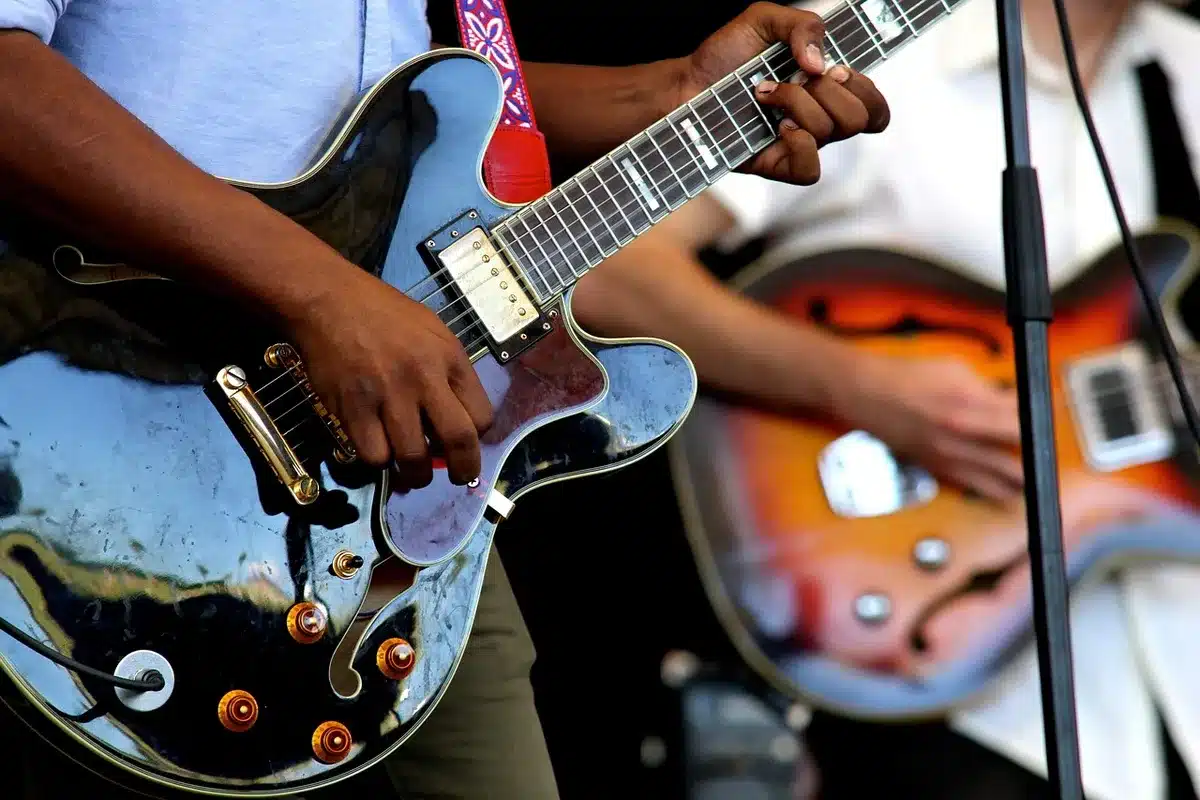
The Strokes arrived with short songs, tangled guitars, and a look that mixed thrift-store chic and deliberate disinterest. Their 2001 debut captured a city mood and spread it worldwide. Fans embraced the attitude as much as the music.
Tracks and style that stuck
- “Is This It” felt like a manifesto for late-night city living.
- Short, punchy singles made the band easy to share and repeat.
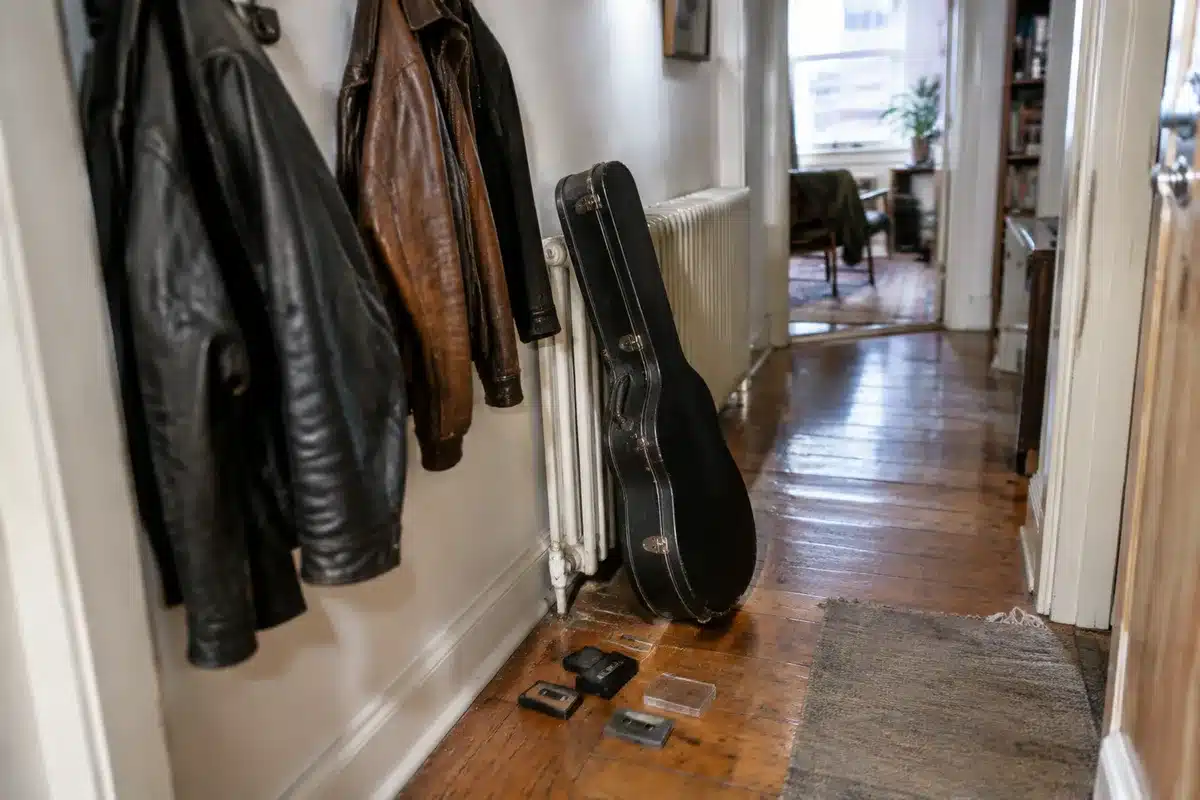
- Leather jackets, skinny jeans, and a nonchalant pose became a visual shorthand.
Why millennials claimed them
The Strokes offered a compact rebellion. For young adults navigating uncertain jobs and shifting culture, their songs were a reliable soundtrack. Social identity often followed the band: playlists, concert tees, and conversation starters.
Arcade Fire: Grand gestures and communal emotion
From intimate shows to arena singalongs
Arcade Fire brought orchestral textures and communal catharsis to indie rock. Their sound felt cinematic, drawing listeners into big-room emotions. The band made earnestness fashionable again.

Moments that defined a fan base
- Anthems with sing-along choruses became rites of passage at concerts.
- Their albums often explored identity, loss, and community in relatable terms.
- Fans connected over the band’s earnestness in contrast to ironic trends.
Millennial resonance
Arcade Fire appealed to those craving meaning. Their music invited group experiences and deep listening. For many, following the band meant participating in something larger than a playlist.
Vampire Weekend: Preppy charm and global textures
A smart, sunlit take on indie rock
Vampire Weekend mixed catchy guitar lines, clever lyrics, and worldbeat rhythms. Their early records carried an Ivy League polish and an offbeat sense of humor. That mix made them instantly recognizable.
Signature songs and the cultural look
- Bright melodies and literate lyrics set them apart from darker contemporaries.
- Their fashion leaned preppy, sparking a revival of polos and clean-cut style.
- Fans prized the band’s blend of intellect and accessibility.
How they shaped personal identity
Vampire Weekend offered an alternative to brooding indie tropes. Listeners who identified with the band favored cleverness, travel-minded playlists, and a curated aesthetic. The band became a quiet badge of taste.
Common threads: Why certain bands become personas
Music as social currency
- Shared tastes create instant social signals in friendships and dating.
- Bands that combine visual style with distinctive sound are easier to adopt.
- Millennials used music to navigate identity during life-stage transitions.
Modes of fandom
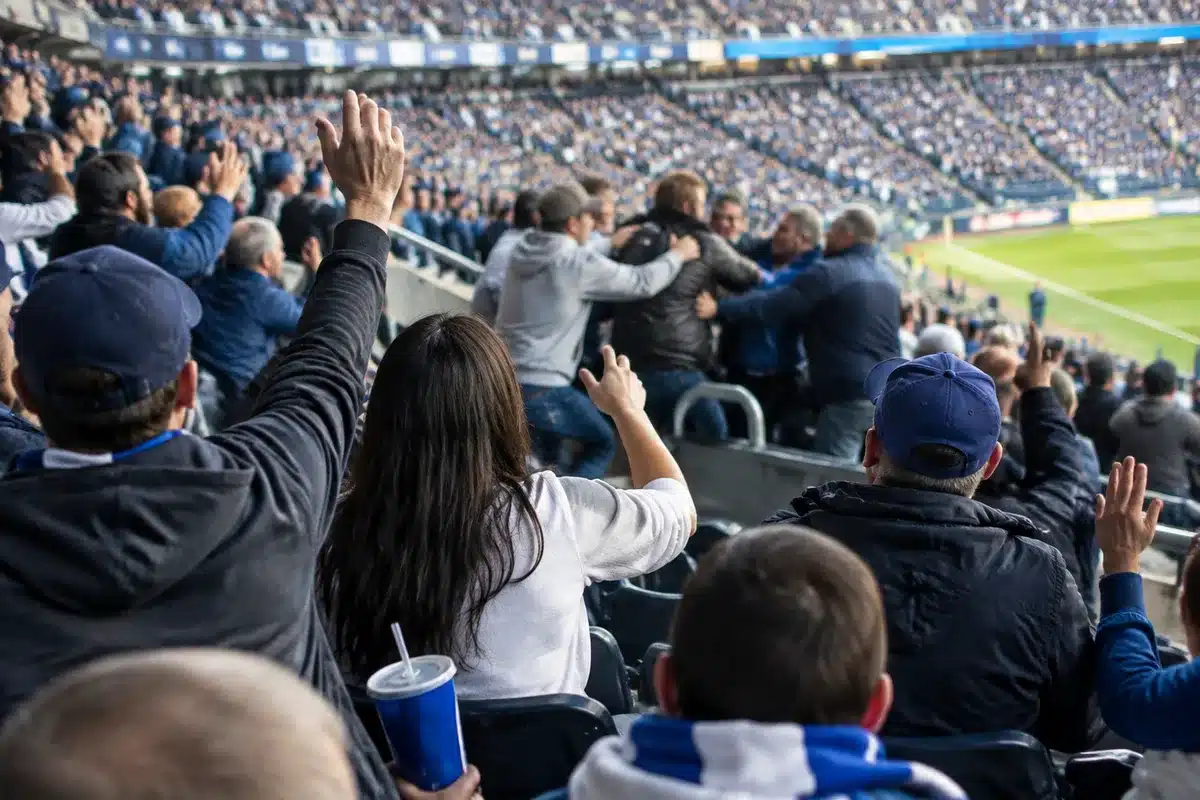
- Concert attendance and merch acted as social rituals.
- Playlists and shared streaming lists spread musical identity online.
- Photo aesthetics on social feeds reinforced band-associated looks.
Three bands, different approaches, but the result was similar: a soundtrack that doubled as a social script for millions coming of age in the 2000s.