
Show summary Hide summary
- How a party frames a modern Hedda Gabler adaptation
- Tessa Thompson reimagines Hedda for the screen
- Changes that reshape Ibsen’s original
- How race and status animate relationships
- Supporting cast: sparks that feed the plot
- Soundtrack and visuals that push the narrative
- Directing choices and the film’s tone
- What Hedda’s world reveals about power and survival
- Production notes and distribution
In Nia DaCosta’s new film Hedda, a charged evening at an English country house becomes a pressure cooker of class, desire and calculated cruelty. The movie moves fast, leans on music and manners, and turns Ibsen’s classic into a midcentury drama that feels both familiar and freshly sharp.
How a party frames a modern Hedda Gabler adaptation
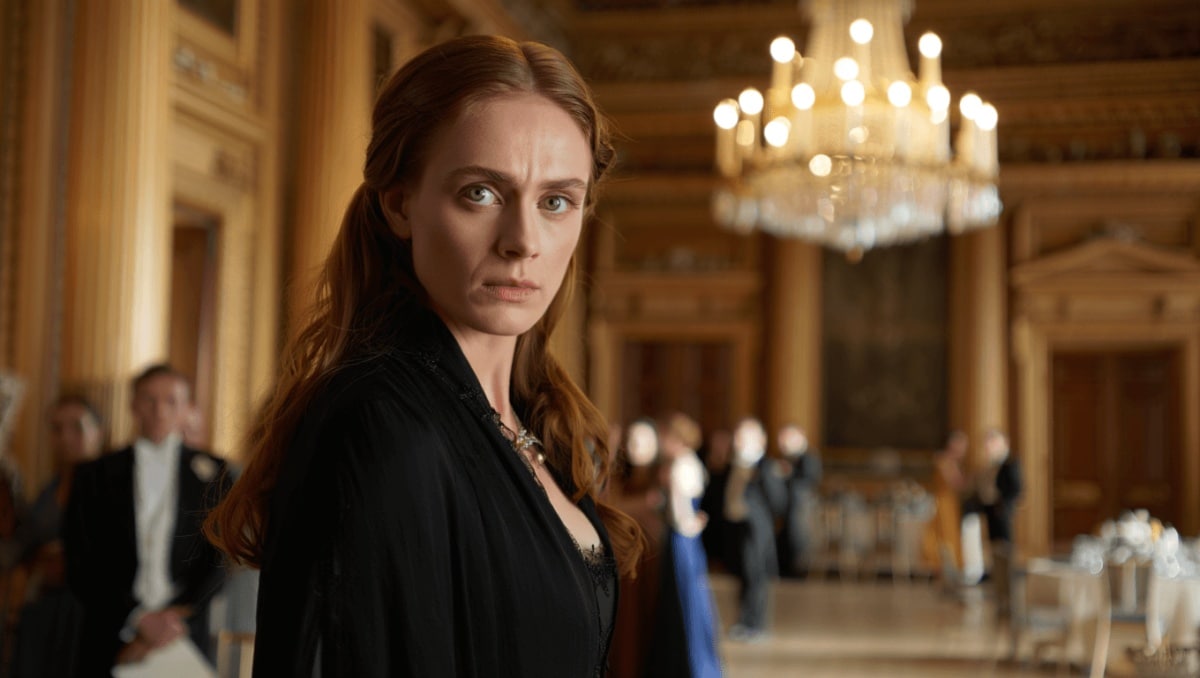
DaCosta compresses the story into about 24 hours. The action centers on a lavish gathering at a rural estate. Guests arrive. Alliances form. Rivalries surface. Secrets unravel.
Nas slams music industry over disrespect: teases new music, vows to address it
1992 vocal performances: 3 jaw-dropping moments that still amaze
- The film was shot on location at Flintham Hall in Nottinghamshire.
- Events unfold mainly during one evening, creating a tense, time‑bound pace.
- Music punctuates mood swings, from quiet suspense to full‑throated chaos.
Tessa Thompson reimagines Hedda for the screen
Thompson’s Hedda is magnetic and dangerous. She plays the role as a crafted performance. Her speech, posture and small gestures do work for her.
At times her mask cracks. Those moments reveal sharp vulnerability. Thompson makes Hedda both enthralling and terrifying.
Changes that reshape Ibsen’s original
DaCosta alters key elements of the play to give the story new stakes.
- She sets the film in post‑World War II England, before the 1960s upheaval.
- One major change is the gender shift of a pivotal character. That choice reframes the rivalry and ambition at the story’s heart.
- Hedda’s background is different: she is mixed‑race and born outside marriage. That detail quietly shifts social dynamics.
How race and status animate relationships
Hedda’s mixed heritage is an undercurrent rather than a headline. The film lets viewers infer the costs of her outsider status.
Judge Brack, here played by Nicholas Pinnock, functions as a rare peer within the social circle. Their banter and barbed encouragements reveal a complex rapport.
Their connection exposes how belonging can be transactional and fraught.
Supporting cast: sparks that feed the plot
Tom Bateman plays George Tesman, the kindly but gullible husband. He is the bland center Hedda orbits.
Imogen Poots turns up as Thea, an old friend dragged into Hedda’s schemes. Nina Hoss brings force as Eileen Lövborg, the formidable rival whose presence escalates tension.
- These actors provide counterweights to Hedda’s control.
- Conflicts between the women become the film’s most riveting exchanges.
Soundtrack and visuals that push the narrative
DaCosta uses needle drops and live music to punctuate mood. Betty Hutton songs appear at key moments.
“It’s A Man!” offers a slyly ironic frame when guests arrive. Later, “It’s Oh So Quiet” scores a ballroom scene that leaps between hush and brassy release.
Cinematographer Sean Bobbitt, composer Hildur Guðnadóttir and production designer Cara Brower create an immersive feel. The camera often stays near Hedda, tracking her small, decisive moves.
One ballroom sequence ties sound and close‑up imagery into a dizzying, almost cinematic dance.
Directing choices and the film’s tone
DaCosta blends theatrical intensity with cinematic intimacy. She keeps the play’s social chess but adds a modern edge.
Editing and staging emphasize how manners mask power plays. The film invites the audience to watch a woman who weaponizes charm.
What Hedda’s world reveals about power and survival
Hedda inherits little besides ritual and reputation. To stay afloat she marries an academic who can buy status but not affection.
She manipulates guests to fend off boredom and to claim temporary control. The film makes that desperate hunger watchable and disturbing.
For a few hours, Hedda exerts command over people who think themselves secure.
Production notes and distribution
DaCosta is a rare Black woman director with multiple features in under a decade. Each film she has made explores a different genre and tone.
Amazon is distributing Hedda. That relationship is noted in the film’s release context.










