
Show summary Hide summary
- Where this sequel fits in PlayStation’s catalogue
- Atsu and the haunted stages of Ezo: a fresh protagonist, a dark past
- Combat reimagined: diverse weapons and tactical options
- Stealth, assassination, and creative approaches
- Exploring Ezo: quests, collectibles, and design that encourages wandering
- Presentation: art, sound, and cultural touches
- Performance notes and a few rough edges
- How Ghost of Yōtei compares to recent samurai and ninja releases
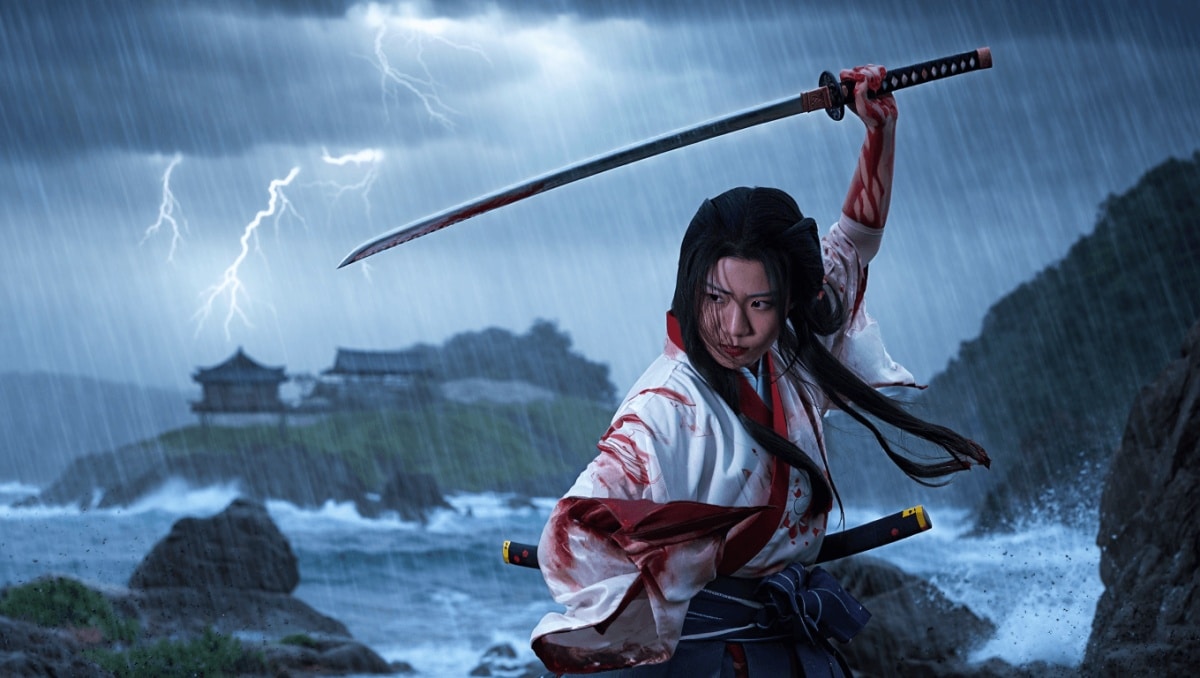
Ghost of Yōtei lands on PS5 as a larger, bloodier follow-up to Sucker Punch’s samurai epic. It swaps the lone ronin feel for a vengeful onryō tale set across a breathtaking islandscape. Expect intense combat, layered side quests, and moments that push the game toward emotional risk.
Where this sequel fits in PlayStation’s catalogue
Sony’s recent slate has seen multiplayer ambitions falter. Several high-profile live-service projects stalled or were canceled. Yet PlayStation’s single-player output remains a major strength.
Nas slams music industry over disrespect: teases new music, vows to address it
1992 vocal performances: 3 jaw-dropping moments that still amaze
Ghost of Yōtei joins other standout PS5 exclusives that defined the platform this generation. Titles like Spider-Man 2 and Death Stranding 2 kept single-player storytelling in the spotlight. Yōtei continues that tradition, delivering a cinematic, handcrafted experience aimed at fans of narrative-driven action.
Atsu and the haunted stages of Ezo: a fresh protagonist, a dark past
The game takes place centuries after Ghost of Tsushima, on the rugged island of Ezo. You play Atsu, a survivor of a brutal massacre. Her family was slaughtered by a group called the Yōtei Six.
Left for dead, Atsu survives and adopts the persona of the onryō, a vengeful spirit from folklore. Rumors of the ghost spread through villages and camps. Those whispers become a tool as she hunts the Yōtei Six and their leader, Lord Saitō.
Her path is driven by anger, but the story widens as she meets people who test her motives. Alliances complicate revenge, and Atsu’s emotional arc is grounded in small, believable changes. Her growth feels earned as the game steadily reveals why vengeance might cost more than it gives.
Combat reimagined: diverse weapons and tactical options
Unlike Ghost of Tsushima’s Jin, Atsu uses many weapons. The game pushes players to swap tools and adapt on the fly.
- Melee variety: yari (spear), kusarigama (sickle with chain), odachi (heavy two-handed sword), and dual katanas.
- Ranged choices: pistols, rifles, bows, and kunai for stealth takedowns.
- Special tools: smoke bombs, oni’s flame, and the Onryō’s Howl for crowd control.
A tactical weakness system rewards smart switching. The kusarigama can break shields, while dual katanas overwhelm polearms. This design makes each weapon feel purposeful, not decorative.
Menus slow time during weapon swaps. That pause turns frantic fights into choreographed bursts. You can break a foe’s stance, draw a pistol, then land a finishing shot. It’s satisfying and cinematic.
Onryō’s Howl acts like a supernatural crowd-control move. It provokes fear and can scatter enemies when you maintain careful play. Quick-use items add layers to combat, letting you mix stealth and brute force.
That breadth can also complicate controls. New weapons sometimes require a glance at the controller layout. There are presets, but no full remapping option yet. Players who prize customization may find this limiting.
Stealth, assassination, and creative approaches
Atsu isn’t restricted to all-out brawls. The game supports multiple playstyles.
- Use stealth bows and kunai to thin enemy ranks quietly.
- Mix stealth kills with open combat to control the battlefield.
- Invest in skill trees that enhance assassination chains or melee combos.
Whether you prefer silent infiltration or theatrical clash, the systems are flexible. The game nudges experimentation and rewards players who mix tactics.
Exploring Ezo: quests, collectibles, and design that encourages wandering
The open world is one of Ghost of Yōtei’s strongest assets. Side missions appear organically. NPCs call out, animals lead to secrets, and environmental cues invite detours.
Instead of rigid waypoints, the game uses a guiding wind. Birds or a drifting breeze point you toward activities. These small design choices make exploration feel natural.
Progression ties to exploration in meaningful ways:
- Altars of Reflection grant skill points when prayed at.
- Hot springs increase maximum health.
- Bamboo mini-games boost Spirit capacity.
- Collectible materials upgrade weapons after enough sets are gathered.
Tying abilities to altars encourages side journeys. Each altar visit feels like a story beat rather than a menu grind.
That said, item pickups can be hard to spot. Defeated enemies drop materials that only show a subtle sparkle. Without a high-contrast display option, some players may miss loot. The game offers accessibility settings such as larger subtitles and wind indicators, but options like color-contrast boosts are absent.
Presentation: art, sound, and cultural touches
Ghost of Yōtei leans into Japanese aesthetic cues. Menus use brush-stroke motifs, and UI sounds borrow from traditional instruments. These touches add cultural texture.
The environments range from rolling grasslands to frozen vistas. Lighting and weather amplify mood. Sound design supports immersion, with ambient effects that make travel and combat feel alive. The game’s visual and audio direction is consistently strong.
Performance notes and a few rough edges
On PS5, loading times are brief and performance is generally stable. Frame rates hold up in most encounters.
- Fast loading showcases the console’s SSD.
- Animation hiccups can occur, such as occasional stuck jump frames.
- Controller layout confusion appears with many weapon unlocks.
These issues are noticeable but not pervasive. They may be addressed in patches, given Sucker Punch’s track record.
How Ghost of Yōtei compares to recent samurai and ninja releases
This year has a crowded field of feudal-action games. New entries include Ninja Gaiden Ragebound, Shinobi: Art of Vengeance, and Assassin’s Creed Shadows. Ninja Gaiden 4 is also on the horizon.
Ghost of Yōtei distinguishes itself with a focus on narrative weight and open-world polish. Its combat depth and environmental storytelling give it a distinct identity among similarly themed releases.










