

Show summary Hide summary
- Arrest, deportation order and the rare use of federal power
- Inside the Louisiana detention center: conditions and isolation
- Campus protests, negotiating role, and accusations
- Why Khalil refuses to self-deport
- Book, lawsuit and ongoing legal and campus disputes
- Voices behind the reporting and adaptation
On a March night in 2025, Mahmoud Khalil and his pregnant wife, Noor Abdalla, walked into their Columbia University apartment lobby. A plainclothes officer slipped in behind them and Khalil was taken into custody by ICE. What followed was a long legal fight that has raised fresh questions about free speech, deportation powers, and conditions inside U.S. immigration detention centers.
Arrest, deportation order and the rare use of federal power
Khalil, a Palestinian-born permanent resident who fled Syria at 18, had no criminal record. He was a graduate student and a public face of the pro-Palestinian protests at Columbia.
Smashing Pumpkins reunite with legendary 90s producer Butch Vig on new Hunger Games track
U.K. terror plot: what we know and why the Gulf remains in limbo
Despite that, a high-level government official invoked a seldom-used authority to declare Khalil removable. He was transported more than a thousand miles away to a detention facility in rural Louisiana.
- Legal status: Green card holder, no criminal charges at the time of arrest.
- Government claim: His presence was said to have “adverse consequences” for U.S. foreign policy.
- Detention location: Rural Louisiana facility, isolated from legal and family support.
Court battles and the path forward
Khalil spent 104 days in ICE custody before a federal judge ordered his release in June 2025. The administration continued to pursue deportation, and Khalil has prepared to ask the Supreme Court to weigh in.

Inside the Louisiana detention center: conditions and isolation
In his diary and later interviews, Khalil described overcrowded dorms, constant lights, and a sense of despair among detainees. He said men were crammed into shared spaces with little privacy.
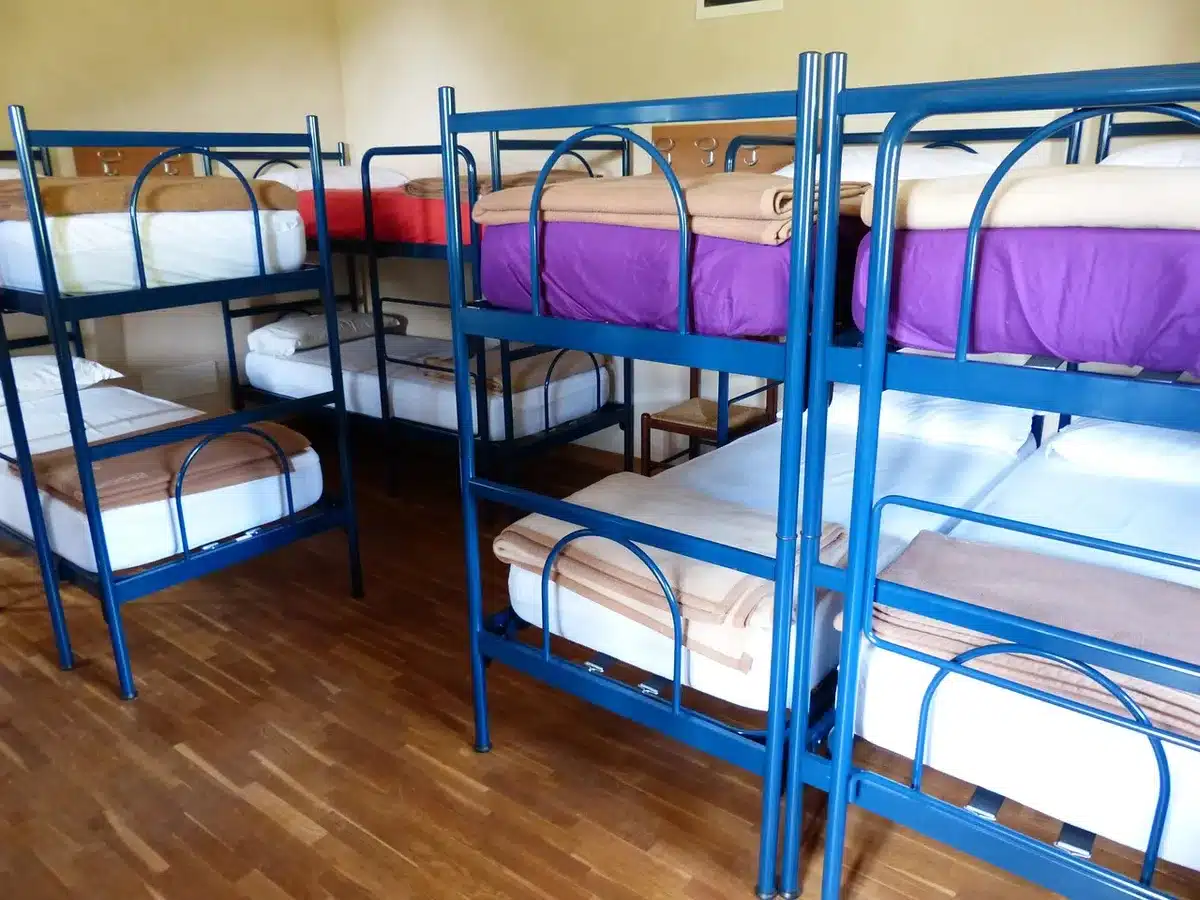
He called the scene “horrendous” and a stain on U.S. conscience.
- Many detainees had been compliant with court requirements or check-ins.
- Legal representation was scarce; few detainees had access to counsel.
- The facility’s remote location made visiting and fighting cases much harder.
He also argued that placing detainees far from major airports and courts serves to discourage legal challenges.
The birth he could not be at
While in detention, Khalil missed the birth of his first child. He said he listened to his wife give birth over a phone call in the middle of the night.
That stolen moment became a driving force behind his decision to keep fighting the deportation order.
Campus protests, negotiating role, and accusations
During the 2024 encampment at Columbia, students selected Khalil as a negotiator. He had diplomatic experience, including work with the British Embassy in Beirut.
Khalil described the university’s initial approach as a public-relations problem rather than a response to student demands rooted in grief and solidarity.
Allegations of antisemitism and campus dynamics
Khalil rejects the idea that the movement he helped lead was antisemitic. He said student organizers worked with Jewish peers and held teach-ins on anti-Semitism and solidarity.
At the same time, he acknowledged isolated incidents and warned that accusations of antisemitism can be weaponized to shield criticism of Israeli policy.
Why Khalil refuses to self-deport
Khalil says leaving voluntarily would cement the government’s version of events. He frames his fight as both personal and political.
- He worries about his reputation and what he will tell his son.
- He sees responsibility to other immigrants and Palestinians.
- He believes defending his rights matters to broader civil liberties and free speech.
He has said silence would not end the hardships facing immigrants or Palestinians.
Book, lawsuit and ongoing legal and campus disputes
Khalil turned his detention diary into a memoir titled No Land to Stand On. The book mixes personal memory with reflections on law and activism.
In September 2026, he sued Columbia, alleging the university failed to protect Palestinian students from harassment and retaliated against those who complained.
Columbia responded by saying it aims to keep campus safe and respond to reports of discrimination.
Key dates and status
- March 8, 2025 — Arrested by ICE in New York.
- April–June 2025 — Detained in Louisiana for 104 days.
- June 2025 — Federal judge ordered release.
- September 2026 — Lawsuit filed against Columbia University.
- Ongoing — Government continues deportation efforts; Khalil plans further appeals.
Voices behind the reporting and adaptation
The interview and reporting were produced and edited for broadcast by Anna Bauman and Thea Chaloner. Bridget Bentz and Molly Seavy-Nesper adapted the material for the web.










