
Show summary Hide summary
- How live shopping apps change the way people buy
- Whatnot’s model: rapid auctions and huge streaming volume
- Breaking open packs: why the “break format” hooks buyers
- Addiction risks: the human cost in real cases
- What the company says and the safety features it offers
- Underage purchases and family stories
- Industry momentum: rivals and similar formats
- How social dynamics amplify risk
- Practical steps users can take to protect themselves
Live-stream shopping is moving fast from overseas novelty to U.S. mainstream. What started as phone-based auctions for niche collectibles now runs around the clock, mixing social media energy with instant buying. The result is a new retail loop that dazzles users — and alarms some experts.
How live shopping apps change the way people buy
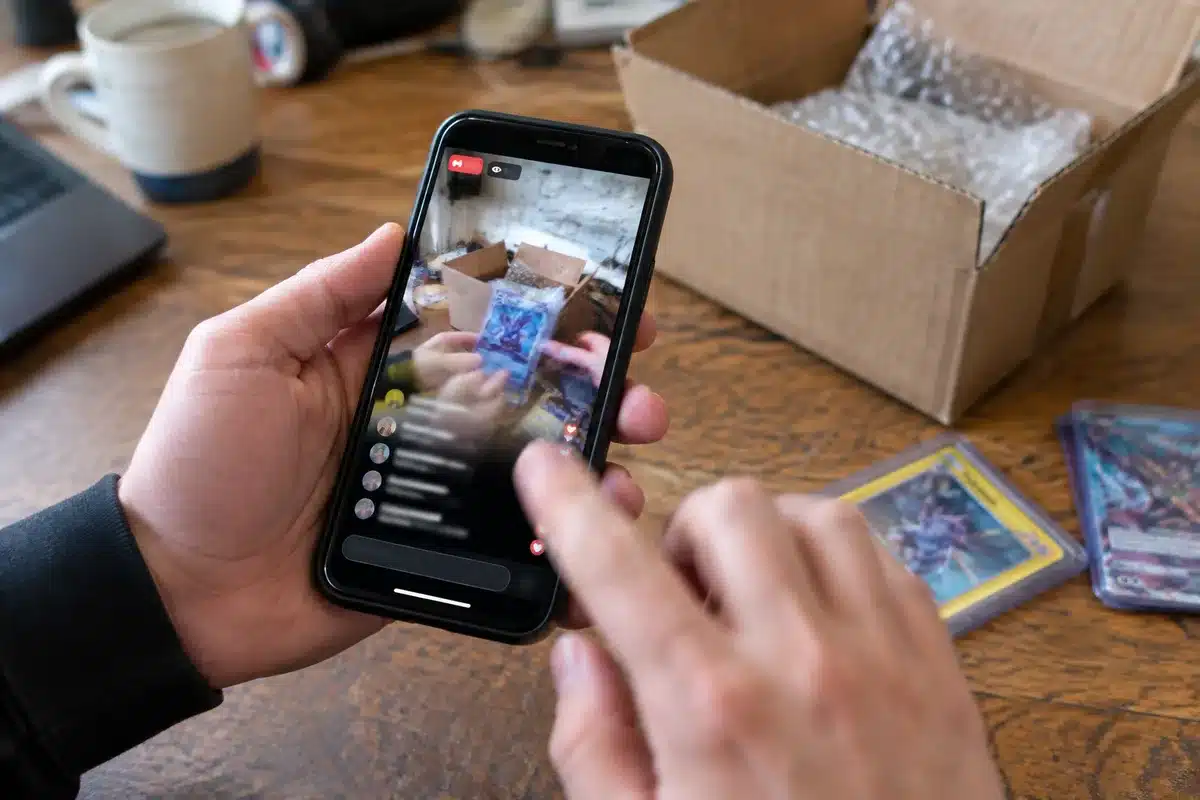
These platforms turn sales into live events. Hosts showcase items, viewers watch in real time, and purchases happen with a single swipe or tap. The format borrows from TV shopping channels, auction houses, and short-form video apps.
Smashing Pumpkins reunite with legendary 90s producer Butch Vig on new Hunger Games track
U.K. terror plot: what we know and why the Gulf remains in limbo
- Streams run continuously, often with many hosts online at once.
- Auctions can last only a few seconds, creating frantic bidding.
- Social chat and a host’s personality drive repeat visits.
The engagement model replaces deliberation with speed. Users frequently buy without a confirmation step, and items arrive days later, so impulse decisions are buried under routine delivery.
Whatnot’s model: rapid auctions and huge streaming volume
Whatnot built a mobile-first marketplace where auctions move extremely quickly. Bids are placed by swiping, and the last person to swipe wins. The app reports massive live activity — hundreds of thousands of streaming hours every week — and thousands of daily auctions across many categories.

Originally a niche site for Funko Pop collectors, Whatnot expanded into:
- Trading and sports cards, including Pokémon and hobby cards
- Fashion and beauty items
- Unusual or specialty goods such as plants, tackle, and even food
The mixture of high tempo bidding and a social community encourages frequent return visits. Sellers and buyers form parasocial ties; hosts often remember regulars by name.
Breaking open packs: why the “break format” hooks buyers
The “break” format is central to trading-card auctions. It slices an expensive sealed product into shared slots, letting multiple people buy into a single pack.
How a break works
- A sealed box or pack might be worth thousands.
- The host sells a limited number of slots at a fraction of the box price.
- Participants pay for a slot and hope for a high-value card to appear.
The lure: small upfront cost for a chance at a big payoff. That potential for a sudden windfall creates intense excitement. The flip side is common: many buyers receive low-value cards and lose money.

Addiction risks: the human cost in real cases
Several users describe patterns that mirror gambling: highs when a valuable card appears, lows when losses mount, and repetitive buying to chase recovery. One detailed case illustrates the peril.
In one investigation, a man in his forties escalated daily spending from modest amounts to thousands per day. Within months, his purchases climbed past a million dollars. He exhausted personal savings, borrowed money, and even charged purchases to his employer’s card.
That story highlights how quickly casual browsing can become destructive. The rapid-fire nature of auctions and constant availability make it easy to lose track of time and money.
What the company says and the safety features it offers
Whatnot’s leadership has pushed back against claims that the platform is tantamount to gambling. Company representatives say internal metrics do not show widespread addiction.
At the same time, Whatnot has added optional tools designed to help users manage spending and time on the app. Available and planned features include:
- Self-imposed spending limits
- Watch-time caps that users can enable
- Alerts for sudden spikes in spending (so-called “velocity of spend” flags)
- PIN locks for certain categories to block impulsive access
- Age-verification steps, including birthday reconfirmation
Many of these controls are user-enabled rather than mandatory. The company frames them as responses to users who “spent more than intended,” rather than as measures to counter addiction.
Underage purchases and family stories
Instances of minors spending large sums on live platforms have surfaced. Parents report discovering large, unexpected charges and then finding items in the child’s possession or resale value far below the purchase price.
One example involved a young person buying thousands of dollars of cards in a single night. When a parent tried to resell the items to recoup losses, the resale value was a small fraction of the original outlay.
Industry momentum: rivals and similar formats
Whatnot is not alone. Live commerce has been mainstream in China for years and is expanding rapidly in the U.S. Other major players are experimenting with similar features:
- TikTok Shop integrates short video and in-stream purchases
- Traditional marketplaces like eBay are testing live-auction features
- Specialized sports and collectible companies run their own break events
The convergence of social media mechanics, real-time chat, and micro-auctions means these gamified elements will likely spread to more platforms.
How social dynamics amplify risk
Many users describe a sense of belonging in live streams. Sellers build followings and regular viewers feel recognized by hosts and chat communities. That warmth can mask financial harm.
In documented cases, hosts or other participants have actively encouraged purchases, sometimes offering discounted slots. For vulnerable users, friendly nudges and direct invitations can tip the balance from casual buying to compulsive spending.
Practical steps users can take to protect themselves
- Enable app spending caps and PINs for high-risk categories
- Set bank or card alerts for unusual charges
- Limit watch time with built-in timers or external app blockers
- Avoid sharing payment methods on household or employer cards
- Discuss limits and expectations with family members
Awareness and proactive controls reduce harm. But experts warn that app designs built to maximize engagement can still overwhelm personal safeguards.










