
Show summary Hide summary
- Why the lock-in trend caught fire on social video
- How young people use phones to unplug — paradoxically
- Data and feelings: what the numbers say about device dependency
- What locking in reveals about Gen Z’s approach to productivity
- The emotional drivers: anxiety, loneliness, and the need for routine
- How the aesthetic sometimes undermines its own goals
- Practical ways people structure a successful lock-in
- Is locking in activism, coping, or a show?
- Where “fun” fits into a rule-driven lifestyle
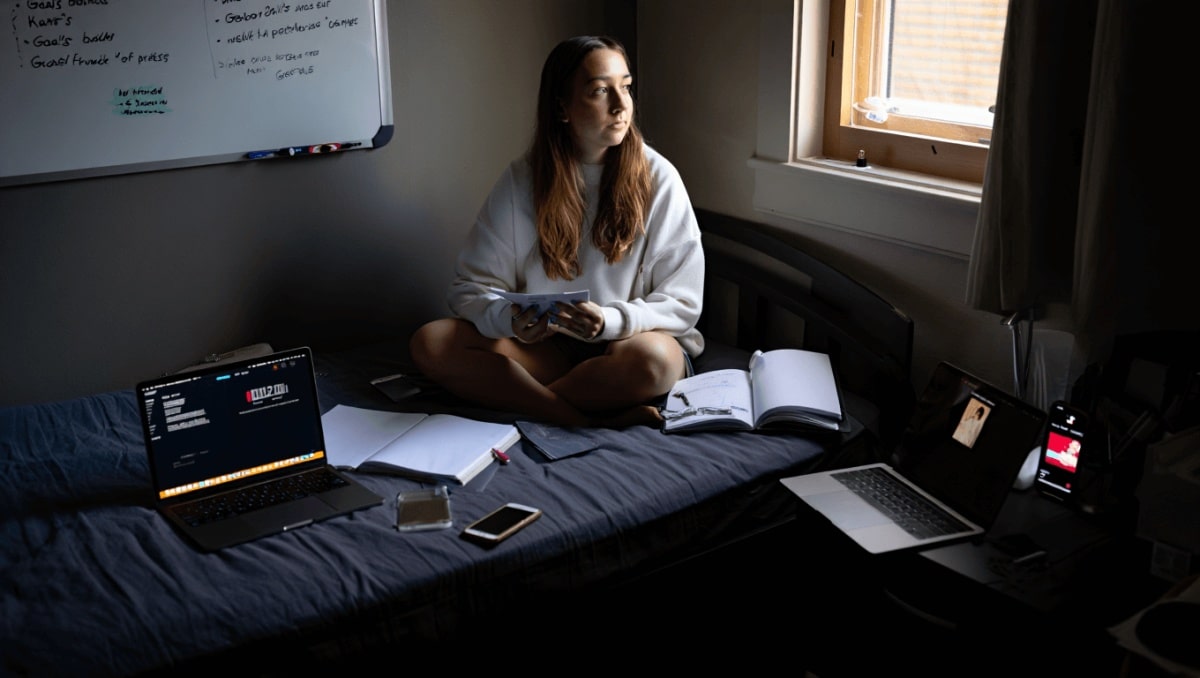
On TikTok, a new ritual has taken hold: young people voluntarily retreating into concentrated bursts of work and self-care. The viral challenge known as “The Great Lock-In” promises rapid habit change, a polished social feed, and the illusion of control in uncertain times. It looks deceptively simple on screen, but the trend taps into deeper anxieties about attention, work and the future.
Why the lock-in trend caught fire on social video
Short-form video platforms reward visual proof of discipline. Clips of neat kitchens, timed routines, and journal pages stack up into a recognizable aesthetic. Creators use the tags #thegreatlockin and #lockingin to mark weeks of intense focus.
Nas slams music industry over disrespect: teases new music, vows to address it
1992 vocal performances: 3 jaw-dropping moments that still amaze
- Music and soundbites drive momentum, often from famous athletes or upbeat rap tracks.
- Creators timestamp activities to show structure and accountability.
- Neutral clothing, tidy spaces, and meal prep signal seriousness.
At its core, the challenge is marketed as a sprint: compress months of self-improvement into a short, visible stretch. The format fits platforms that celebrate transformation narratives.
How young people use phones to unplug — paradoxically
Many participants say the point is to reduce distraction. Yet they document the whole process online. That contradiction is central to the movement.
Some themes repeat across videos and forums:
- Timed phone breaks and limiting late-night scrolling.
- Temporary disappearance from social feeds, framed as a return “as a better version” of oneself.
- Adoption of digital-minimalist habits, inspired by authors and online communities.
Experts compare the practice to deep work: stacking long, undisturbed periods to tackle demanding tasks. But while creators aim to escape the pull of apps, they still rely on the same apps to report results.
Data and feelings: what the numbers say about device dependency
Recent surveys underline the unease many young people feel about screens. A digital wellness report found high rates of concern about phone habits among Gen Z. Other studies link addictive app design to poorer mental health.
- One survey showed a large majority of Gen Z believe their phone relationship is unhealthy.
- Another study found many young people think their mental health would improve if apps were less addictive.
- Search interest for “digital detox” and similar terms has surged on some platforms.
Those stats help explain why a visible, rule-based retreat feels appealing. It promises measurable progress against an invisible, tech-enabled problem.
What locking in reveals about Gen Z’s approach to productivity
For many in Gen Z, work and self-improvement don’t map onto the old climb-the-ladder script. Surveys suggest young adults prioritize flexibility and balance over title-chasing.
Instead of channeling productivity into corporate ascent, a lot of Gen Zers focus on personal growth. They track skills, fitness, and routines as ends in themselves.
- They value flexible jobs and are quick to reject roles without autonomy.
- Productivity often aims at building a better life, not just a better résumé.
- Short, intense commitments like lock-ins are a favored format.
Locking in functions as a device for control in a labor market where entry-level openings are squeezed and AI looms over many career paths.
The emotional drivers: anxiety, loneliness, and the need for routine
Beyond productivity, locking in can be a reaction to emotional strain. Pandemic isolation and economic instability left many feeling untethered.
Experts and writers point to several motivations:
- Combating a passive default mode of endless scrolling and binge-watching.
- Filling gaps left by weakened social life or limited disposable income.
- Creating visible proof of improvement to soothe uncertainty.
In other words, the trend mixes practical aims with emotional repair. For some, it’s resistance to attention-extracting tech. For others, it’s performance and community signaling.
How the aesthetic sometimes undermines its own goals
The locked-in look can be aspirational and performative at once. Posting progress earns social capital, which can turn private change into public theater.
Common contradictions
- Documenting breaks defeats the purpose of unplugging.
- Strict routines can create pressure that worsens stress.
- A polished feed can mask burnout and exclusionary standards.
The contradiction is striking: technology both creates the problem and supplies the tools to show that you solved it.
Practical ways people structure a successful lock-in
Participants and commentators share repeatable tactics. These methods are simple, easy to adopt, and share well on social platforms.
- Set a fixed timeframe: aim for weeks or months with clear start and end dates.
- Build a daily schedule with time blocks and short breaks.
- Use single-tasking techniques: focus on one cognitively demanding activity at a time.
- Limit notifications and enforce no-phone windows, especially before sleep.
- Keep accountability: share occasional updates without turning every moment into content.
Many also pair the routine with small rituals: meal prep, light exercise, journaling, and sleep hygiene. These act as anchors during intense focus phases.
Is locking in activism, coping, or a show?
The movement resists tidy classification. For some, it’s a form of protest against manipulative design. For others, it’s survival strategy in a precarious economy.
And for a portion of participants, it’s performance—an appealing genre for social feeds that reward transformation stories.
Critics warn that endless cycles of improvement can become another source of stress. When self-optimization is the default response to structural problems, individuals shoulder a burden technology and policy might have eased.
Where “fun” fits into a rule-driven lifestyle
Economic pressure often reframes leisure as a choice with trade-offs. Young people report feeling uneasy when idle, as if every hour not spent improving is wasted.
Some argue that true change requires balance: structure plus unstructured time. Others worry that treating fun as another task removes its restorative power.
Many participants accept the trade-off: short-term intensity for the illusion of forward motion in an uncertain future.










