

Show summary Hide summary
- How the record reemerged on national television
- Why the band allegedly wanted the pressing destroyed
- What experts said on the show and online
- How much could such a record be worth?
- The broader effect on the collector market
- Tips for verifying rare band pressings
- Voices from the fandom and industry
- Legal and ethical questions around withdrawn recordings
When a dusty vinyl surfaced on a recent episode of the BBC’s Antiques Roadshow, it reignited a decades-old music industry saga: a record linked to Led Zeppelin that the band once wanted destroyed has quietly reappeared, stirring curiosity and debate among collectors and fans.
How the record reemerged on national television
The discovery unfolded during a routine appraisal segment. A homeowner brought an unassuming single to the show, asking for a valuation. The appraiser paused, then smiled: this was no ordinary 45. Viewers watched as details were revealed that tied the disc to early Led Zeppelin lore.
Nas slams music industry over disrespect: teases new music, vows to address it
1992 vocal performances: 3 jaw-dropping moments that still amaze

- Visual clues: the label, etchings in the runout groove, and an unusual sleeve hinted at a limited pressing.
- Provenance: the owner recounted buying it decades ago at an estate sale, with scant paperwork.
- Broadcast impact: the segment sent collectors online to compare notes and images.
Why the band allegedly wanted the pressing destroyed
Stories about bands trying to pull early pressings are common in rock history. In this case, industry insiders have long whispered that Led Zeppelin wanted a specific disc withdrawn. Reasons given by music historians and former label employees include quality issues and legal concerns.
Common motives behind withdrawals
- Poor audio mixes or mastering errors.
- Unauthorized artwork or incorrect credits.
- Licensing disputes or contractual obligations.
None of these explanations have been formally confirmed by the band’s representatives. Still, the anecdote helps explain why so few copies were thought to exist.
What experts said on the show and online
Appraisers and vinyl specialists on the episode highlighted several technical details that suggested rarity. They pointed to matrix numbers, label anomalies, and pressing characteristics that separate test pressings and promo copies from mass-market releases.
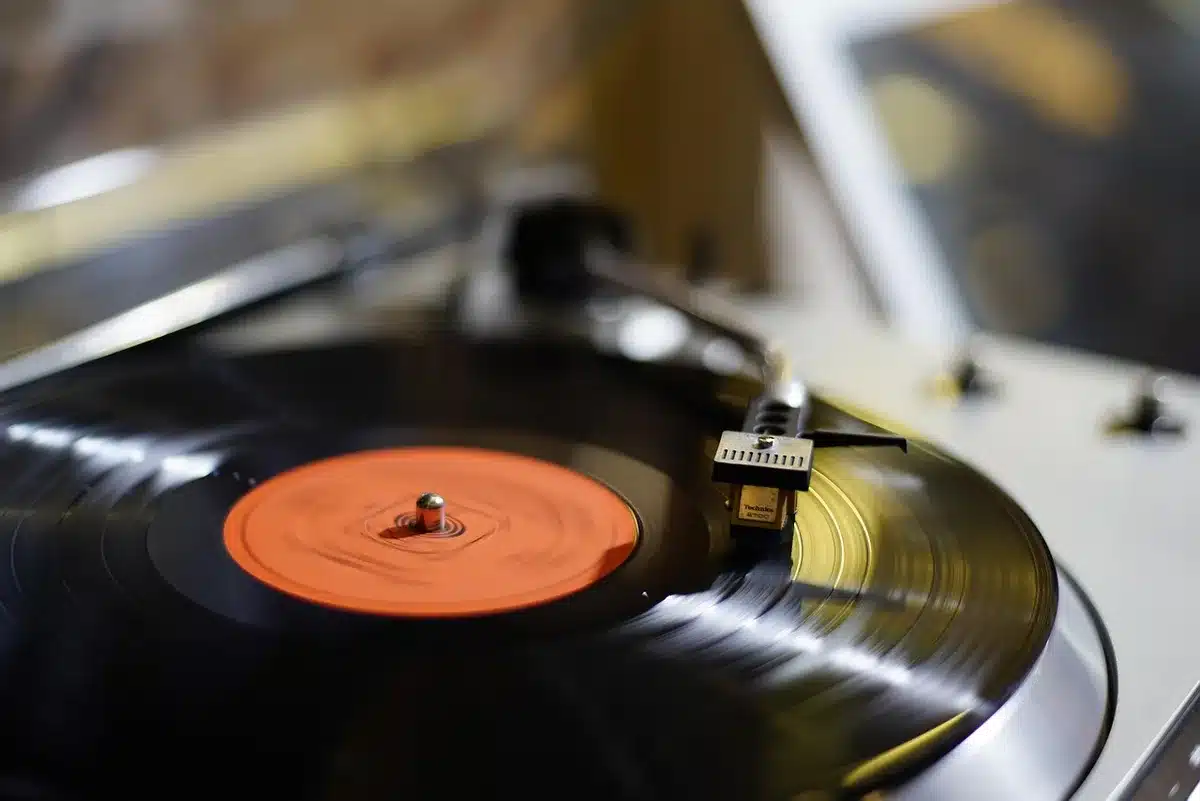
- Matrix etchings: unique codes often identify early runs and test pressings.
- Label variations: mismatched typography or misspelled credits can indicate a withdrawn issue.
- Physical condition: wear, fingerprints, and sleeve markings can either hurt or enhance value.
How much could such a record be worth?
Valuations vary widely. On-screen appraisals often give a range rather than a single figure. For rare rock pressings tied to major acts, estimates can swing from a few thousand to tens of thousands of dollars.
- Collectors pay premiums for authenticated provenance.
- Market demand spikes when media exposure occurs.
- Condition and documentation are decisive factors.
The broader effect on the collector market
When a claimedly withdrawn record appears publicly, it sets off a chain reaction. Auctions, specialist dealers, and fan forums immediately re-evaluate saved items. The show’s exposure likely increased interest in other obscure Led Zeppelin artifacts.
- More owners may surface with similar items.
- Online marketplaces will see upticks in searches and listings.
- Fake or misattributed pressings could flood the market.
Tips for verifying rare band pressings
Casual collectors can use a few practical checks before assuming a record is priceless. These steps help separate genuine rarities from lookalikes.
- Compare matrix numbers to reputable databases.
- Look for consistent label fonts and printing methods.
- Ask for provenance: receipts, photographs, or prior appraisals.
- Consult experienced vinyl specialists or auction houses.
- Beware of too-good-to-be-true claims on social media.
Voices from the fandom and industry
Fan communities reacted swiftly after the episode aired. Forums lit up with speculation, while collectors traded photos and anecdotal histories. Some music historians cautioned against jumping to conclusions, urging verification through physical inspection.
Legal and ethical questions around withdrawn recordings
Records said to be destroyed raise thorny issues. If a band requested withdrawal, does surviving material retain legal constraints? Experts note that intellectual property law, label agreements, and ownership history all play into whether a surviving pressing can be sold or reproduced.
- Ownership of a physical disc usually allows sale, barring contractual prohibitions.
- Reproducing or transmitting the content could trigger copyright enforcement.
- Authenticity disputes may require legal confirmation or expert testimony.










