Show summary Hide summary
- How the one-copy idea started: a music project turned art experiment
- Sale to a controversial buyer and the unusual ownership terms
- From bravado to legal trouble: what put the album at risk
- Where the album is now: a DAO buys the lone copy
- Why this album still matters for music and culture
- What could happen next: release scenarios and legal limits
The Wu-Tang Clan created a one-of-a-kind record that blurred the lines between music, art and commerce. Conceived as a single-copy album, it became a lightning rod for controversy after a private sale, legal seizures and a public debate over ownership and access to culture.
How the one-copy idea started: a music project turned art experiment
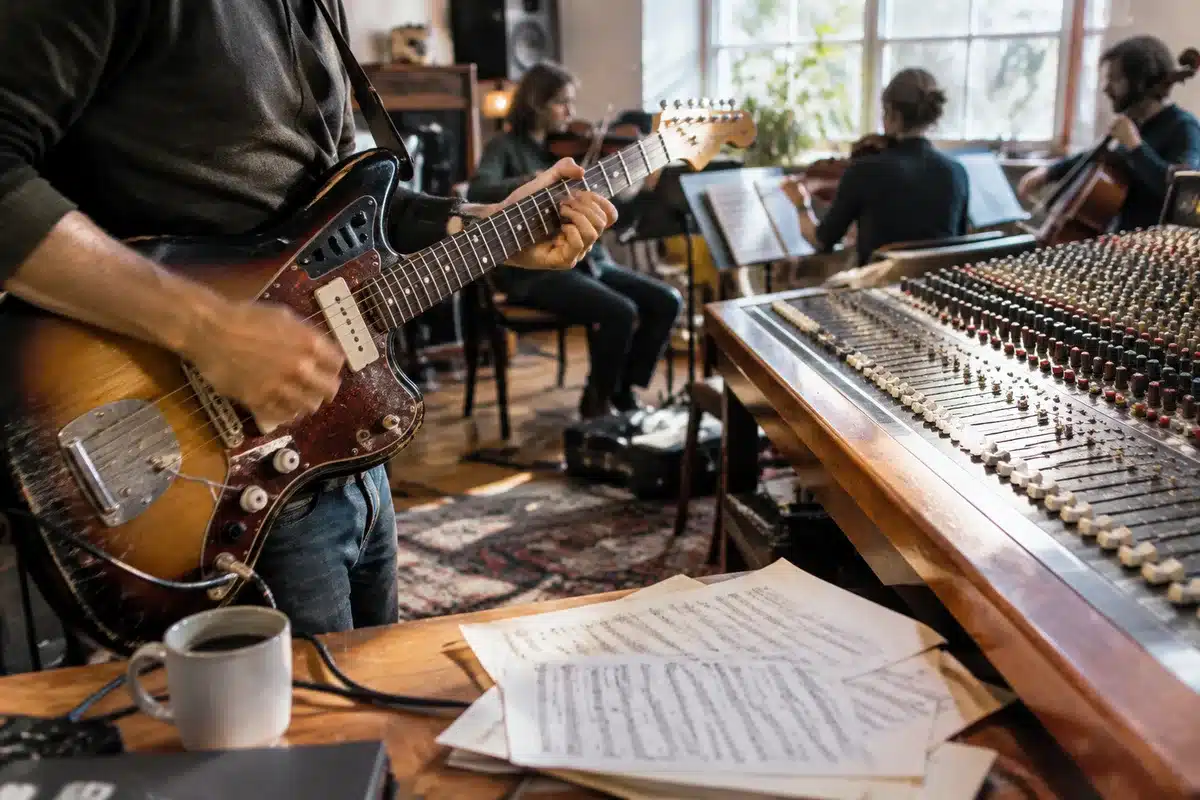
In the mid-2010s, members of Wu-Tang set out to make a unique artistic statement. Instead of releasing a conventional album, they recorded an exclusive work and treated the finished piece like an art object. The intention was to challenge how music is valued when scarcity, provenance and storytelling are part of the product.
Nas slams music industry over disrespect: teases new music, vows to address it
1992 vocal performances: 3 jaw-dropping moments that still amaze
Sale to a controversial buyer and the unusual ownership terms
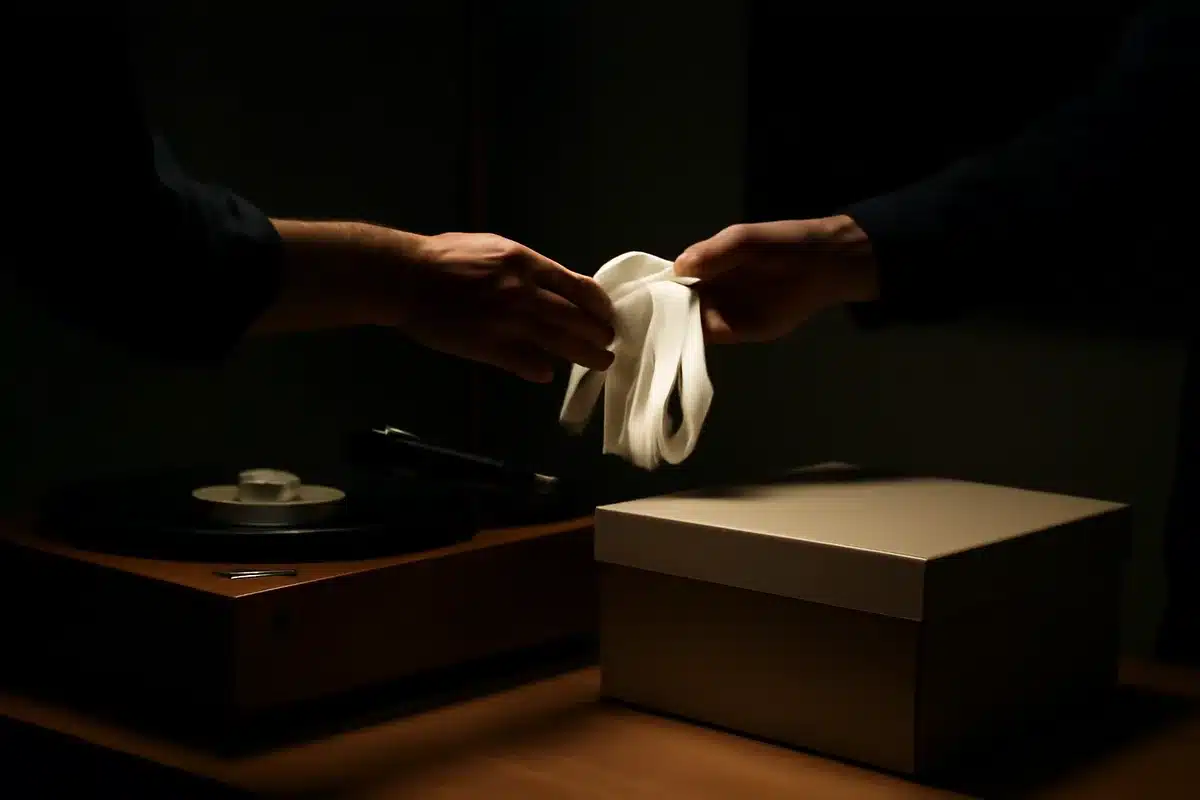
In 2015 the album was sold privately for roughly $2 million. The buyer was Martin Shkreli, then a pharmaceutical executive turned public antagonist. The purchase came with strict rules: the record could not be commercially released for decades. The owner could host private plays, but public distribution was contractually limited.
Key contract points
- No commercial release for an extended period.
- Limited private listenings allowed each year.
- The album treated as a collectible art piece, not a typical record.
From bravado to legal trouble: what put the album at risk
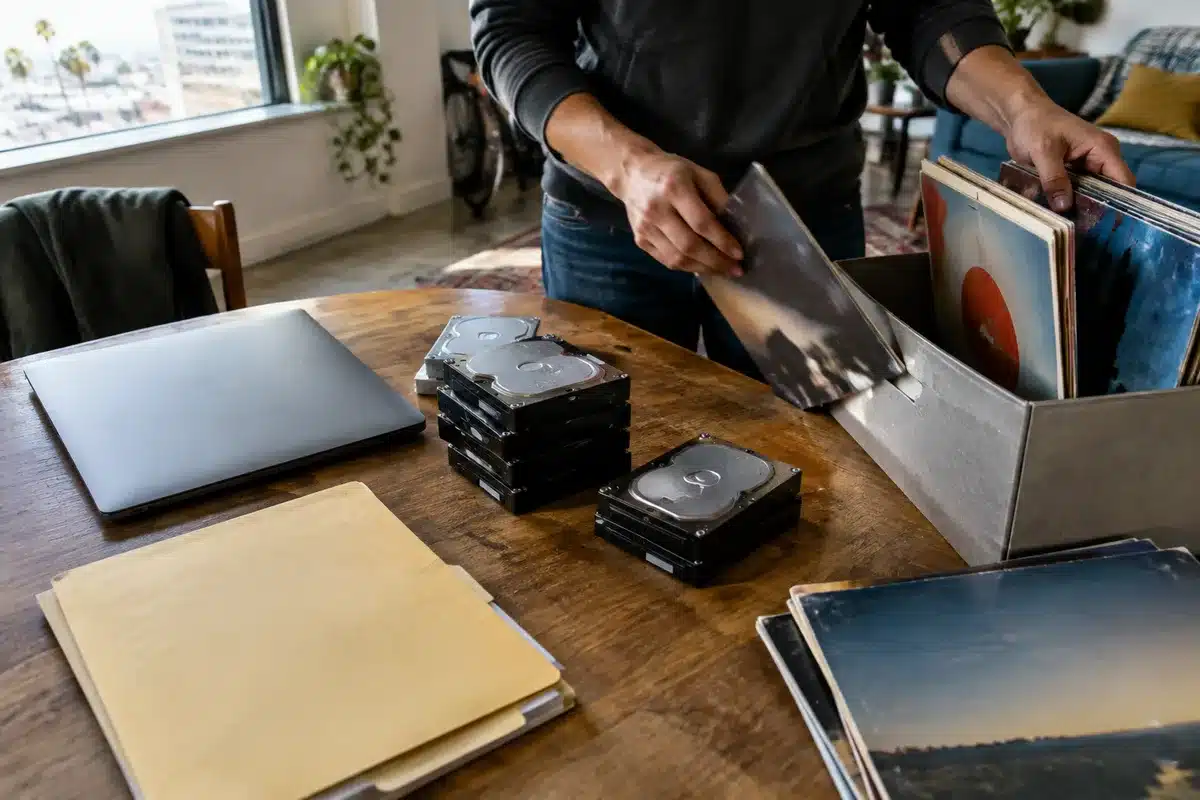
Shkreli’s legal problems changed the album’s fate. After his conviction on securities charges, federal authorities moved to seize assets tied to him. That put the single-copy Wu-Tang record into government custody. During that process, the work’s future was uncertain.
Why it could have been lost
- Evidence seizures can mean long-term storage in government facilities.
- Contractual complexities made resale and release difficult.
- Public statements and online posts raised concern about potential tampering.
Where the album is now: a DAO buys the lone copy
In 2021 the U.S. government auctioned the album to satisfy claims against Shkreli. A decentralized collective known as PleasrDAO acquired the record. The group, made up of collectors and crypto investors, paid several million dollars to secure the piece.

PleasrDAO’s stated approach
- Preserve the work as a cultural artifact.
- Explore public access options consistent with the original contract.
- Use the purchase to spark conversations about ownership and music distribution.
Why this album still matters for music and culture
The story raises questions about scarcity, copyright and who gets to decide how art is shared. A single-copy record forces a rethink of streaming-era norms. Fans, artists and collectors continue to debate whether music should be treated like fine art or remain widely accessible.
What could happen next: release scenarios and legal limits
Any future public release depends on legal terms and owner choices. Possible paths include limited public exhibitions, tokenized ownership models, or continued private showings. Each option carries cultural and legal implications.