
Show summary Hide summary
- Where Tip Toe sits in Davies’s career and why it matters
- Plot engine: rivalry, fear, and a chilling opening image
- Key performances: Cumming’s restraint and Morrissey’s menace
- Themes: identity, political backlash, and the cost of visibility
- Directing and tone: gritty realism with theatrical sparks
- Narrative choices and where the series strains credibility
- Moments that linger and lines that sting
- How Tip Toe speaks to contemporary audiences
Russell T Davies returns to northern England with a hard-edged drama that asks how a divided country treats its most vulnerable people. Tip Toe stitches personal grief, political rage, and cultural backlash into five episodes. The series landed on Channel 4 in the U.K. and now streams on Starz, and it does not shy from stark images or raw questions.
Where Tip Toe sits in Davies’s career and why it matters
Davies has long mined Manchester and its queer history. He first exploded onto screens with bold shows that changed TV conversations about gay life. Tip Toe shifts from intimate portraiture to an explicitly political canvas.
Smashing Pumpkins reunite with legendary 90s producer Butch Vig on new Hunger Games track
U.K. terror plot: what we know and why the Gulf remains in limbo

- Creator: Russell T Davies
- Platforms: Channel 4 (U.K.), Starz (U.S.)
- Setting: Manchester’s Canal Street and surrounding neighborhoods
The new series feels like a reaction to recent cultural reversals. It stakes a claim that the gains of the 2010s can be fragile. Davies frames the present as a precarious time for queer people.
Plot engine: rivalry, fear, and a chilling opening image
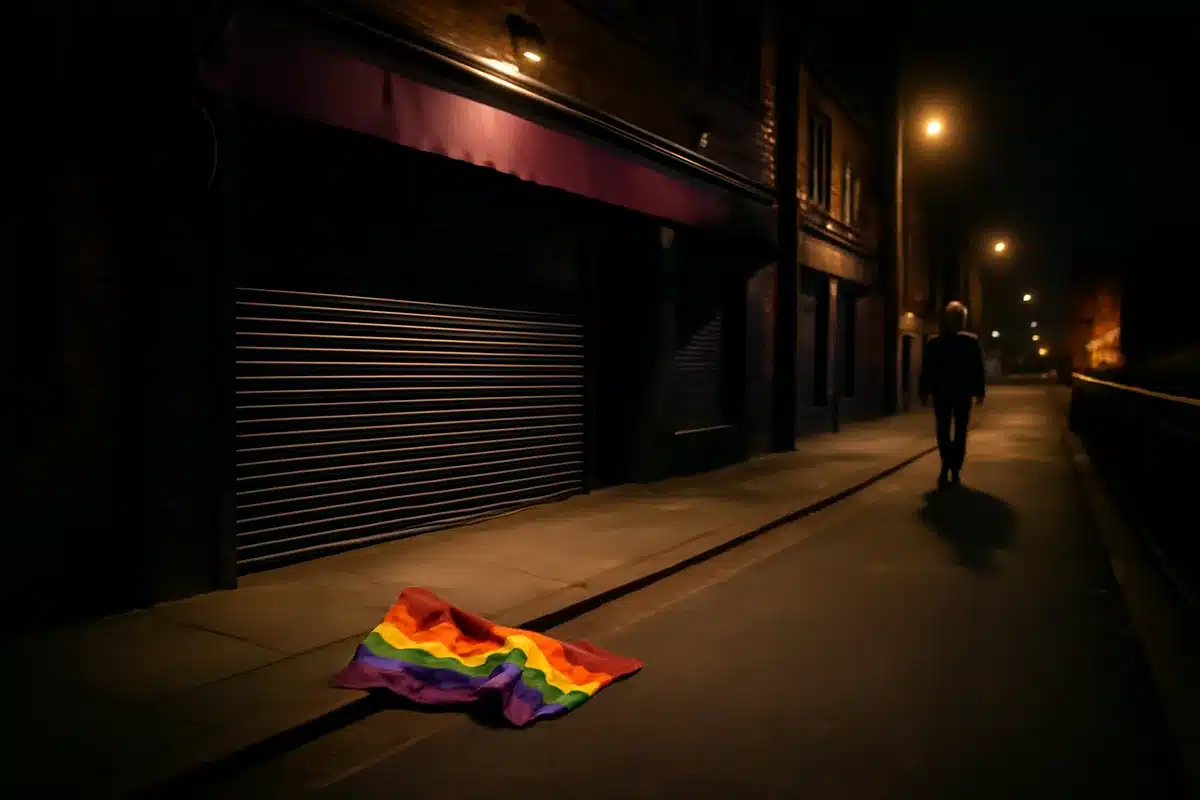
Tip Toe sets up a slow-burning clash between two men from separate worlds. The premiere gives viewers an early glimpse of violence. That opening image hangs over every scene.
- A former drag-bar owner fights to protect his community.
- An electrician with simmering resentment becomes a flashpoint.
- A teenage boy’s curiosity intensifies neighborhood tensions.
The narrative leans into social pressures, with daily life and headlines colliding. Small acts of prejudice build until they feel catastrophic.
Key performances: Cumming’s restraint and Morrissey’s menace
The cast anchors the series with layered performances. Alan Cumming and David Morrissey embody opposing forces with nuance.
Alan Cumming as the embattled bar owner
Cumming dials down flamboyance in favor of a quieter toughness. He balances stagey charm with private sorrow. That mix keeps Leo unpredictable and sympathetic.
David Morrissey as the simmering antagonist
Morrissey makes the antagonist feel frighteningly ordinary. His portrayal avoids caricature. Instead, the character’s small humiliations and rage feel credible.
Supporting cast and younger characters
- Paul Rhys plays a retired drag artist who counsels caution.
- Iz Hesketh gives a vivid account of a young trans woman’s struggles.
- Jackson Connor captures a teenager’s confusion and discovery.
- Elizabeth Barrington and Pooky Quesnel round out the ensemble.
The cast anchors the moral stakes of the story. They turn political abstraction into human costs.
Themes: identity, political backlash, and the cost of visibility
Tip Toe interrogates what visibility brings in a changing climate. The show asks whether being seen is safe when social currents shift.

- Post-Brexit malaise and xenophobia are undercurrents.
- Trans rights and access to healthcare become immediate plot points.
- Older generations warn against openness while younger people insist on living out loud.
Davies contrasts collective memory of struggle with new forms of hostility. The result is a series that reads like both warning and lament.
Directing and tone: gritty realism with theatrical sparks
Director Peter Hoar brings visual energy and tonal variety. Comedic beats and surreal montages sit next to scenes of raw confrontation.
A standout sequence cross-cuts private moments to build tension and dark humor. The editing often turns disparate lives into a single, uneasy chorus.
Narrative choices and where the series strains credibility
To accelerate conflict, some plot moves ask viewers to accept heightened risks. Characters sometimes act in ways that push the story forward more than feel organic.
- Repeated missed chances to avoid escalation feel contrived at times.
- Certain relationships are nudged toward collision by convenient coincidences.
Still, the urgency of the show’s warning helps paper over plotting gaps. The emotional logic often outweighs strict realism.
Moments that linger and lines that sting
Tip Toe is full of sharp lines and images that refuse easy forgetting. The series uses personal detail to illuminate broader political harms.
- Scenes depicting everyday hostility feel immediately recognizable.
- Smaller gestures of care underscore what’s at stake.
Davies mixes anger and tenderness to keep viewers invested.
How Tip Toe speaks to contemporary audiences
The show reads as both local drama and international cautionary tale. It engages with debates over identity, safety, and political direction.
- It will resonate with viewers following UK cultural debates.
- International audiences may see echoes of their own politics.
By placing intimate stories against a charged backdrop, the series aims to spark conversation and discomfort rather than provide easy answers.










