
Show summary Hide summary
- Malibu’s dramatic collapse and why it matters
- Why this wasn’t a classic sinkhole
- How much of the coast is engineered — and why that’s risky
- Managed retreat: moving people and infrastructure back from the edge
- Local vulnerability and the broader national picture
- What cities and property owners are weighing now
Dozing on a towel while the ocean inches closer is a small, humiliating lesson in limits. This June, that lesson arrived in full force for a Malibu homeowner when storm waves carved away a driveway and porch and left a cavern where a front yard had been. The scene — automobiles stranded, a ruptured gas line, neighbors evacuated — became a dramatic example of a wider truth: the coast will move if we let it, and our attempts to hold it in place are growing costlier and less certain.
Malibu’s dramatic collapse and why it matters
High surf recently undermined the ground beneath a multimillion-dollar Malibu residence, creating a roughly 30-by-30-foot hole. The washout damaged a gas main and cut access roads.
Smashing Pumpkins reunite with legendary 90s producer Butch Vig on new Hunger Games track
U.K. terror plot: what we know and why the Gulf remains in limbo
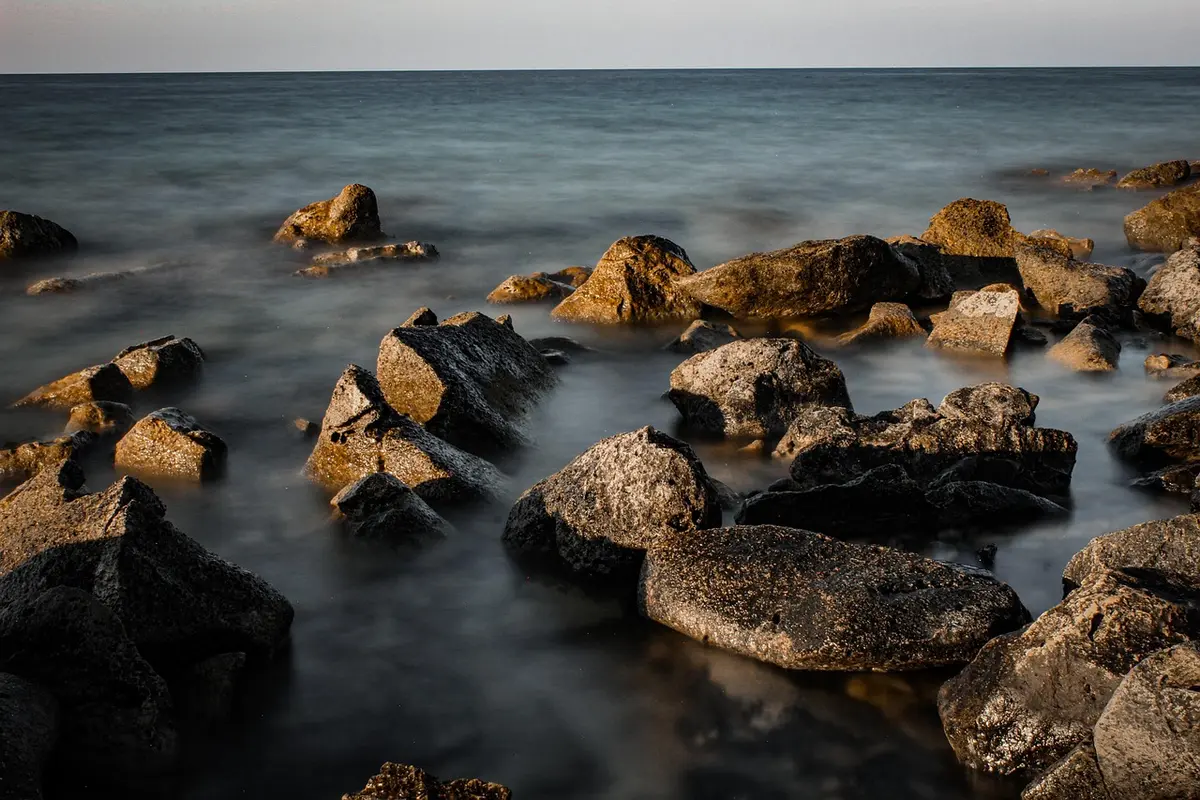
Officials had long flagged the parcel as risky. In past decades regulators denied permits for building there because of wave hazards and erosion.
Later owners installed structural fixes, including a sea wall and pilings, to try to protect the house and its drive. Those measures failed when waves worked their way under the defenses.
The event is a vivid reminder that shoreline homes are often defended by temporary engineering, not permanent ground.
Why this wasn’t a classic sinkhole
Different causes, similar results
Geologists reserve the term “sinkhole” for collapses caused by dissolving bedrock or leaky pipes. Rainwater and underground cavities can produce sudden subsidence inland.
But coastal collapses like the Malibu case occur when waves erode saturated soils beneath pavement and foundations. The sea slips under structures and carries away support.
- Traditional sinkholes: karst bedrock, slow subsurface erosion, sudden collapse.
- Coastal collapses: high surf, storm surge, wave-driven scouring beneath engineered barriers.
- Both produce abrupt loss of ground and damage to buildings and roads.
Experts note that climate-linked storms and aging infrastructure have raised the frequency of many types of collapses. Development in risky zones also magnifies exposure.
How much of the coast is engineered — and why that’s risky
Across the United States, beaches and waterfronts have been reshaped to suit people.
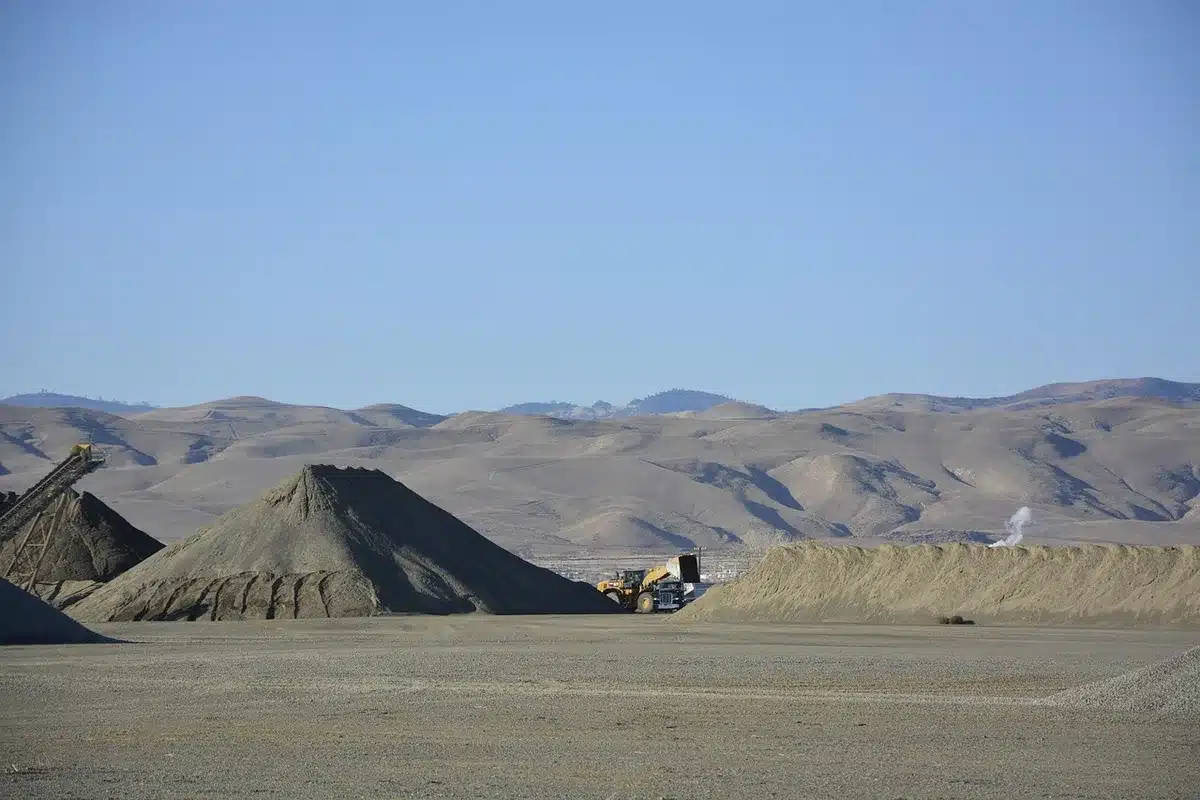
- Beach renourishment: trucks and dredges add sand to eroded shorelines.
- Seawalls and revetments: concrete and rock put in place to stop wave action.
- Raised foundations and stilts: homes are built to tolerate occasional flooding.
Federal and local governments spend large sums on these approaches each year. But the fixes are often temporary.
Some scientists argue that the most endangered thing along the shore is an unengineered, natural beach. As sea levels rise, sand must be replaced more frequently, and seawalls can accelerate erosion nearby.
Managed retreat: moving people and infrastructure back from the edge
When defenses fail or become too costly, communities sometimes choose to relocate structures inland. This strategy is known as managed retreat.
Real-world moves and the logistics involved
There are notable successes. In 1999, a large brick lighthouse was moved inland to save it from encroaching waves. The operation required planning, heavy equipment, and political will.
Moving houses and roads is harder, but possible. It involves:
- Assessing coastal vulnerability and prioritizing assets.
- Securing funding and acquiring property by purchase or buyout.
- Physically relocating structures or rebuilding them inland.
- Restoring former coastal land to natural buffers where possible.
Barriers to retreat are often political and economic. Homeowners resist leaving, and in dense regions there may be nowhere nearby to go.
Yet some experts say retreat is already happening in a piecemeal, costly way — septic tanks and utilities washing into the sea count as retreat by default.
Local vulnerability and the broader national picture
Nearly a third of Americans live in counties that border an ocean, gulf, or Great Lake. Those residents and their infrastructure face rising seas and stronger storms.
Key coastal roads and communities face chronic threats. The Pacific Coast Highway is one example, with landslides, wildfires, and shoreline creep creating frequent closures and repairs.
Municipal vulnerability assessments now cite specific stretches of road and private access lanes as at high risk. As El Niño and other climate cycles bring stronger surf, such exposures increase.
What cities and property owners are weighing now
Decision-makers must balance several factors when addressing erosion and collapse risk.
- Short-term fixes versus long-term sustainability.
- Cost of repeated renourishment compared to the price of relocation.
- Equity: private beachfront owners may have options others do not.
- Public safety and utility reliability along vulnerable corridors.
Communities have choices but limited time. Some will keep pumping sand and building sea defenses. Others will shift assets inland or allow natural shorelines to reassert themselves.
How we act now will shape which coastal places remain habitable in coming decades.










