Show summary Hide summary
Adam Driver and Scarlett Johansson reunite under James Gray’s direction in Paper Tiger, but this is no echo of Marriage Story. Gray’s film is a slow-burning family thriller set in 1986 Queens, where loyalty, secrets, and pride collide with the cold logic of organized crime.
Paper Tiger: a mob-touched family drama set in 1986 New York
The film centers on a Jewish household in Elmhurst and the ripple effects when a small, risky scheme drags them into danger. At the heart of the story is Irwin Pearl, a well-meaning engineer and father who wants to do right by his kids.
Ted Cruz booed at Texas football game: he went online to respond
Tom Cruise’s new film Digger divides audiences: grunge godfather defends it

His brother Gary, a polished ex-cop turned well-connected security consultant, brings promises that look like rescue. But a plan to advise property owners along the Gowanus Canal opens a door to men who do not negotiate gently.
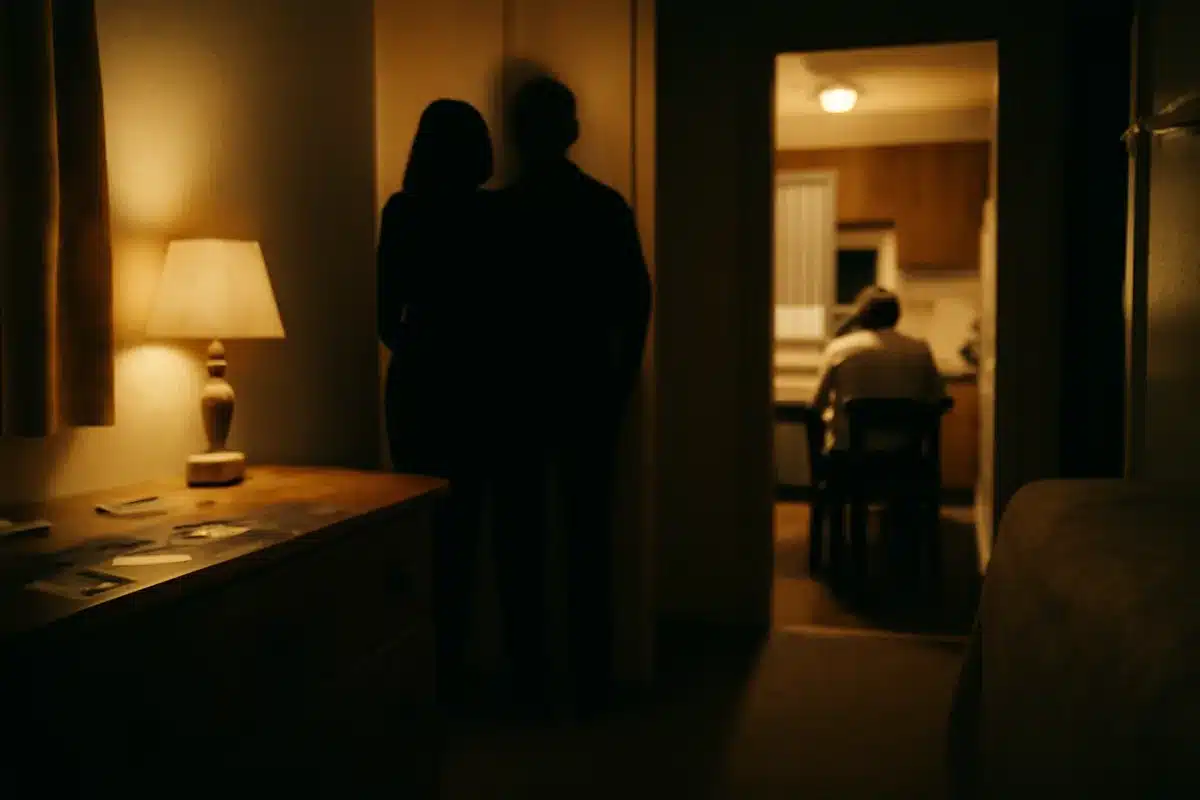
Gray stages the conflict close to home: threats arrive as Polaroids on the family dresser and as late-night visits that aim to unsettle more than to harm. The danger is practical and intimate, aimed at breaking a household’s sense of safety.
How relationships shift into a tense love triangle
What starts as a brotherly favor turns into a triangular struggle for control. Irwin’s naïveté forces his family into crisis, while Gary and Linda take on the burden of fixing what he set in motion.
- Irwin: the oblivious patriarch who trusts the wrong people.
- Gary: the charming operator who can move through police and criminals alike.
- Linda: the family’s anchor, carrying a private burden that reshapes her choices.
The film becomes less about romantic entanglement and more about competing forms of caretaking. Each adult attempts to protect the family, yet each response widens the gap between truth and silence.
Cast and performances that shape the film’s pulse
Adam Driver’s forceful center
Driver dominates the film. He builds Gary as charismatic and dangerous, a man who wears influence like armor. When his façade slips, the actor reveals tension sharp enough to steer the entire movie.
Miles Teller as the endearing, flawed dad
Teller trades earlier bravado for a goofy, earnest Irwin. He sells the role with comic warmth and heartbreaking cluelessness. That mix makes his character a believable but tragic focal point.
Scarlett Johansson’s emotional gamble
Johansson pushes into melodrama as Linda, attempting to erase celebrity glamour with costume and accent. The choice is bold, but at times the star image competes with the intended blue-collar realism.
James Gray’s approach: tension in what is unsaid
Gray favors slow accumulation over loud catharsis. Scenes hinge on what characters avoid saying. That restraint builds a claustrophobic logic: lies and omissions become the true antagonists.
Dialogue often circles a subject rather than naming it. This creates a layering of subtext where a glance or a held breath carries equal weight to a threat from the street.
Design, tone, and cinematic echoes
The movie leans into period detail: oversized glasses, 1980s decor, and small costume choices that sell time and place. Gray also borrows the moral intensity of classic crime cinema.

Those echoes serve the story rather than mimicry, giving the film a bruised, retro texture that matches its themes of pride and protection.
Key takeaways and where to watch
- Genre: Family drama with organized-crime stakes.
- Notable element: A performance-driven portrait of male pride and domestic secrecy.
- Screenings: Opened the New York Film Festival as the Opening Night selection.
- Release: Scheduled to hit theaters on Nov. 13.