
Show summary Hide summary
Many film stars have quietly stepped into the music world. Some records vanished into the noise. Others surprised critics and fans. Below are three little-known albums from famous actors. Each shows a different risk, sound and story.
Jeff Goldblum’s jazz leap: The Capitol Studios Sessions (2018)
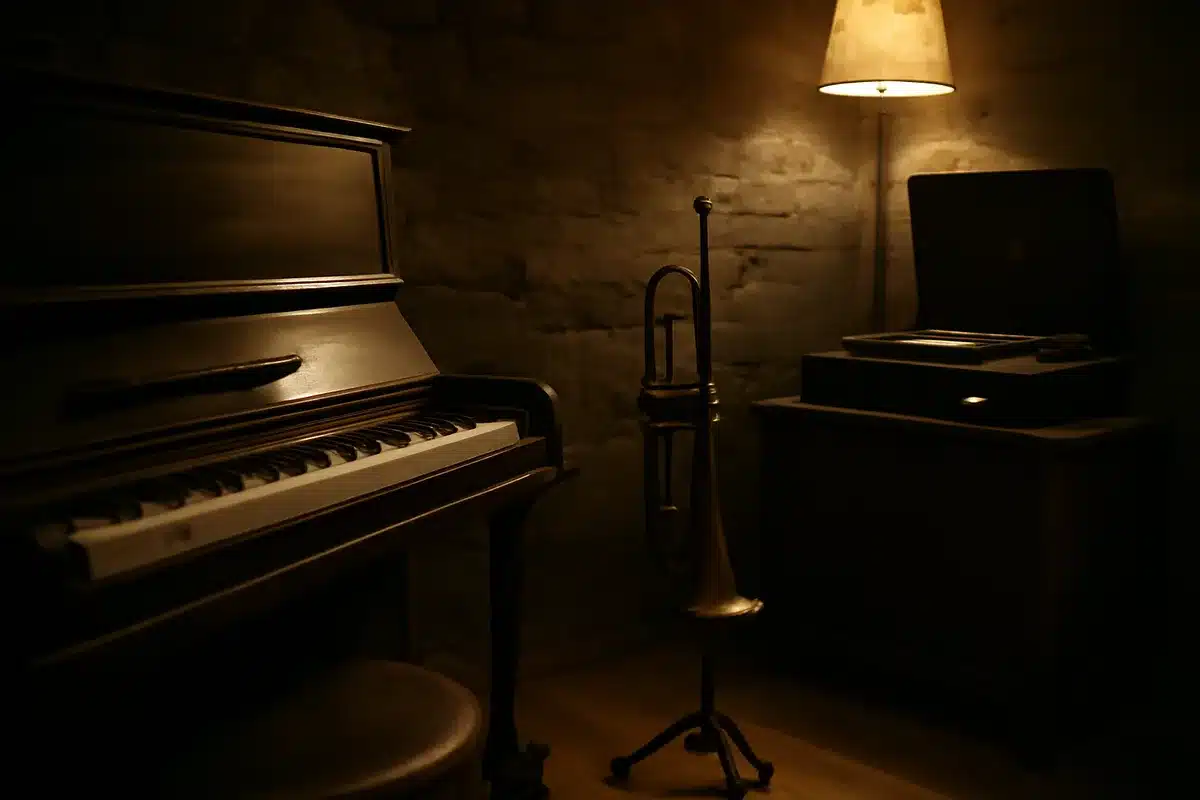
Jeff Goldblum is best known for blockbuster roles. Few know he leads a jazz ensemble. The Capitol Studios Sessions captures him at the piano with the Mildred Snitzer Orchestra. The album blends classic standards with laid-back, cinematic playing.
Smashing Pumpkins reunite with legendary 90s producer Butch Vig on new Hunger Games track
U.K. terror plot: what we know and why the Gulf remains in limbo

- Sound: Smooth, retro jazz. Warm horns and piano front and center.
- Standout tracks: A few reimagined standards and a couple of playful instrumentals.
- Why it matters: Goldblum treats jazz seriously. His phrasing and timing show real respect for the tradition.
- Where to hear: Streaming platforms and vinyl collectors’ shops.
What surprised critics
- His vocal moments are charming rather than flashy.
- The production favors an intimate club vibe over studio polish.
Keanu Reeves’ band Dogstar: Our Little Visionary (1996)
Before becoming a modern action icon, Keanu Reeves played bass in a band. Dogstar released Our Little Visionary in 1996. The record is a snapshot of ’90s alt-rock with subtle melodies and raw energy.

- Genre: Alternative rock, post-grunge influences.
- Key songs: Melodic singles and deeper album cuts that show a band finding its voice.
- Band role: Reeves on bass, not a frontman. His presence is musical, not theatrical.
- Legacy: The album didn’t top charts. It did build a cult audience among fans of ‘90s indie rock.
Why fans should listen
- It reveals Reeves’ creative side beyond acting.
- The record feels earnest and unpolished in a good way.
- Collectors appreciate the era-specific production and guitar tones.
William Shatner’s theatrical experiment: The Transformed Man (1968)
William Shatner took an audacious route in 1968. The Transformed Man pairs dramatic spoken-word pieces with musical backdrops. The result is equal parts camp, drama and curiosity.
- Format: Dramatic readings of pop songs and literary excerpts.
- Notable aspects: Over-the-top delivery. Bold emotional shifts. A studio that leans into theatricality.
- Reception: Critics were baffled. The record later became a cult favorite for its audacity.
- Listening tips: Approach it as performance art rather than a conventional album.
How it still matters
- It pushed the boundaries of what a celebrity record could be.
- Modern listeners find it entertaining and oddly influential.
Why actors release albums and why some records vanish
Many actors try music for creative fulfillment or to explore another public voice. Some projects are passion-driven experiments. Others are built around collaboration with established musicians. But fame in film doesn’t guarantee radio play.
- Market noise: Music scenes are crowded. Even famous names can be overlooked.
- Expectations: Audiences may expect blockbuster sounds rather than artistic detours.
- Longevity: Some albums resurface later as cult favorites or collector’s items.










