
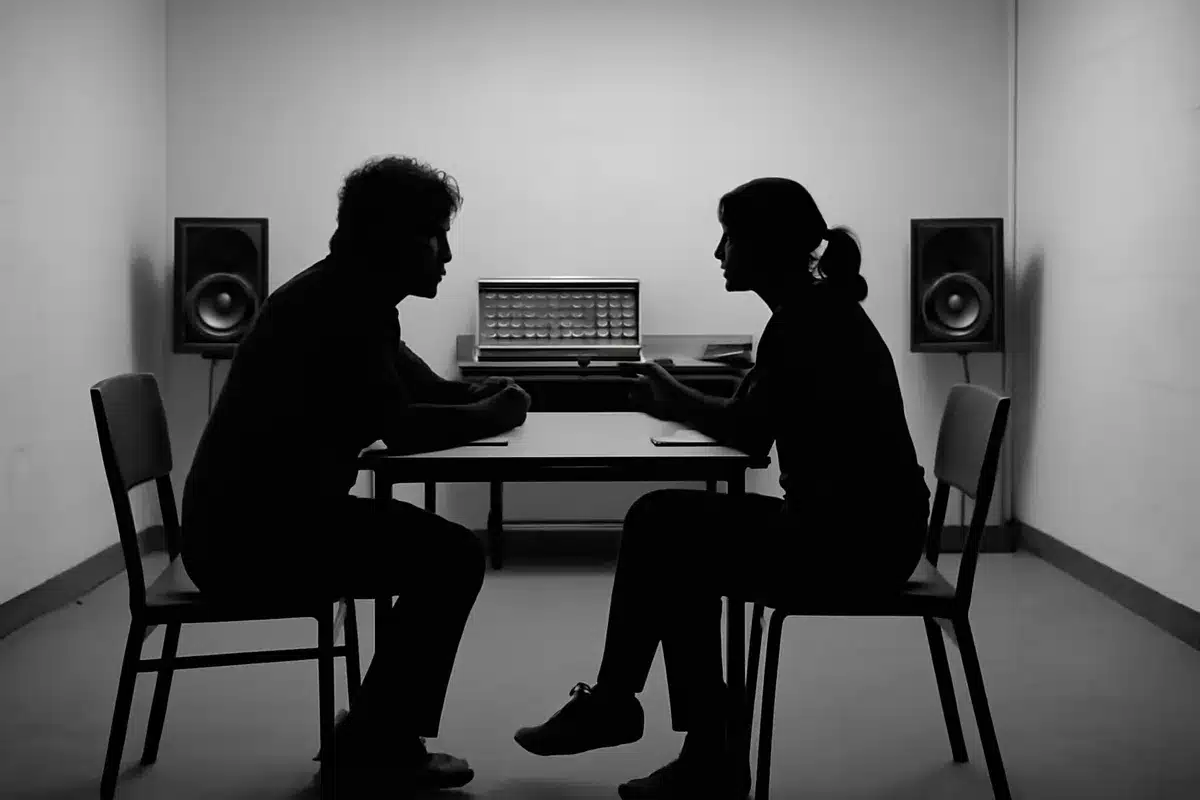
Show summary Hide summary
- Visual style and setting: a minimalist portrait
- Format and episode rhythm: play, listen, talk
- Which songs get close examination
- What works: candid moments and music‑nerd details
- What disappoints: loose focus and editorial indulgence
- Episode seven: a tonal detour
- Performative vs. revelatory moments
- Editing choices that shaped the narrative
- Comparisons: Rubin’s earlier music talk show approach
- Performances and production credits to note
- Who should watch and who can skip it
Rick Rubin’s new HBO series, JAŸ-Z in 8, drops viewers into a spare black-and-white room where Jay‑Z and his longtime friend and collaborator trade memories, dissect songs and circle around the stories that shaped one of hip‑hop’s most influential careers.
Visual style and setting: a minimalist portrait
The show is shot almost exclusively in monochrome. Cinematographer Bradford Young gives the series a quietly polished look.
Smashing Pumpkins reunite with legendary 90s producer Butch Vig on new Hunger Games track
U.K. terror plot: what we know and why the Gulf remains in limbo
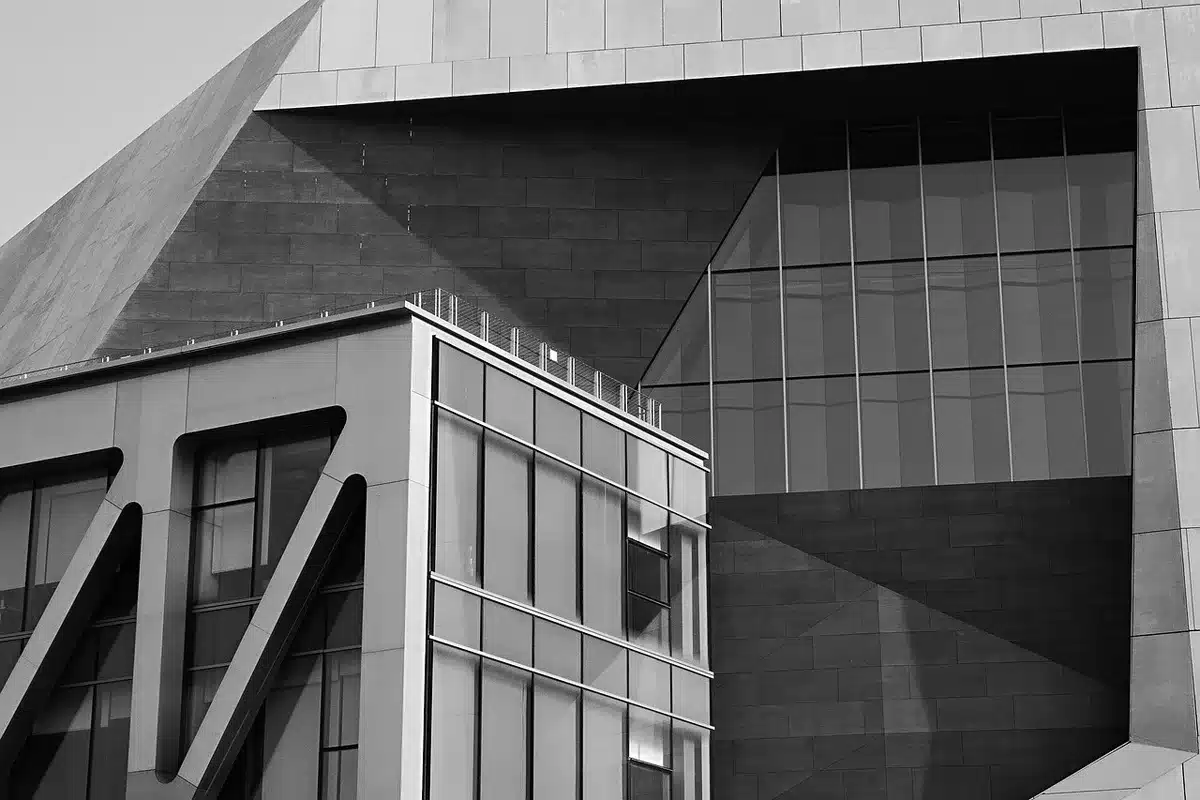
The set is intentionally simple: a table, a few chairs, two large speakers and a console. The emptiness of Paris’ Palais Brongniart becomes part of the series’ mood.
The camera rarely wanders, favoring a handful of steady angles. That choice creates intimacy. It also imposes a sameness that can feel overlong.
Format and episode rhythm: play, listen, talk
The structure is straightforward. Rubin presses play on a track. The lyrics appear on screen while both men nod along. Then a conversation follows.
Episodes vary in length. Some run about 37–42 minutes. One stretches to 61 minutes. The shorter chapters feel more focused.
- Six episodes unfold mainly in the listening “pit.”
- Episode seven shifts location and tone with a long, sit‑down interview.
- The final episode returns to the earlier back‑and‑forth format.
This uneven pacing makes the series easier to enjoy in weekly doses. Bingeing exposes its repetitive stretches.
Which songs get close examination
Rubin and Carter pick through many of Jay‑Z’s best known and most debated tracks. They rarely aim for a strict chronology.
Highlights of the playlist discussed:
- “Brooklyn’s Finest”
- “What More Can I Say”
- “99 Problems”
- “Allure”
- “Public Service Announcement (Interlude)”
- “4:44”
Some commercial hits like “Encore” and “Hard Knock Life” are mentioned but don’t receive lengthy analysis.
What works: candid moments and music‑nerd details
When Carter opens up, the series shines. He recounts early Bed‑Stuy life, brushes with peers and the creative decisions that mattered.
There are strong music‑fan moments. Rubin’s questions often coax out technical details about wordplay and production.
Scenes in which Jay‑Z parses complex rhymes feel genuinely illuminating. Those exchanges reward listeners who know the records.
What disappoints: loose focus and editorial indulgence
The show often drifts. Without a clear organizing principle, conversations can circle without new revelations.
Carter sometimes repeats lyrics or offers surface‑level explanations. Those stretches could have been tightened.
There are editorial misses: problematic lines and controversies are played without adequate context.
- The episode that includes “The Story Of O.J.” airs the contentious verse but stops short of addressing accusations around it.
- Carter celebrates or defends collaborators without much scrutiny.
Rubin’s friendship with Jay‑Z yields warmth but limits hard questioning. The result is familiar rather than definitive.
Episode seven: a tonal detour
Midway through the run, Rubin and Carter move to a different room for a long, uninterrupted interview.
The sequence feels deliberate, like the penultimate chapter in a prestige drama. It unspools anecdotes already touched on earlier.
That standalone hour can feel repetitive. Yet it also reveals a quieter side of Carter’s storytelling.
Performative vs. revelatory moments
Some of the series’ most watchable clips are simple: Jay‑Z naming influences, describing studio moments or reacting to his own lines.
Other scenes border on performance. At times, Carter points out obvious references or restates lyrics verbatim.
Knowing when a song was sketched in minutes versus crafted over time helps explain why some moments yield real insight and others do not.
Editing choices that shaped the narrative
The editors often let conversations breathe. That choice produces natural cadence. It also allows filler to linger.
With a tighter edit, the series might have been shorter and more revealing. As presented, it sometimes feels padded.
Comparisons: Rubin’s earlier music talk show approach
Fans of Rubin’s McCartney series will notice a family resemblance. Both programs favor black‑and‑white framing and long, focused conversations.
But McCartney 3, 2, 1 kept clearer episode themes. JAŸ‑Z in 8 opts for looser, song‑by‑song meandering.
Performances and production credits to note
- Director: Rick Rubin — returning to long‑form after decades.
- Cinematography: Bradford Young — nominated for an Academy Award.
- Location: Palais Brongniart, Paris — the empty hall is a character in itself.
These choices give the series a high production sheen, even when the editorial arc is wishful rather than decisive.
Who should watch and who can skip it
If you’re deeply invested in Jay‑Z’s catalog, JAŸ‑Z in 8 will deliver moments worth savoring.
Casual listeners may grow impatient. The series asks for patience and a taste for detours.
Recommendation: Watch weekly to let the episodes breathe. Don’t expect a definitive biography or a hard‑nosed investigation.










