
Show summary Hide summary
- Why Rick Nielsen decided to sell his private guitar trove
- Standout instruments from the auction and why they mattered
- How the sale was organized: catalog, bids, and the night of the auction
- Who took part: bidders, celebrities, and collectors
- Where the money went and the impact on communities
- Media reaction and fan response after the auction
- What this auction signals for the music memorabilia market
- How collectors can verify authenticity and provenance
- Where to follow future releases and related events
Rick Nielsen, the flamboyant guitarist of Cheap Trick, has turned a lifetime of stage-ready guitars into a philanthropic event that captured fans and collectors alike. The auction showcased rare instruments and personal favorites, drawing attention not just for the gear but for the cause behind the sale.
Why Rick Nielsen decided to sell his private guitar trove
Rick Nielsen has long been a figure known for his playful stage persona and distinctive instruments. Over decades, he collected guitars that reflect different eras of his career. He chose to sell to support causes that matter to him. The move also allowed a new generation of musicians and collectors to own a piece of rock history.
- Philanthropy: Proceeds were directed to music-focused charities and local community programs.
- Legacy: Making iconic instruments accessible helps preserve Nielsen’s musical footprint.
- Collectors’ market: Many items were unique prototypes and customized stage pieces.
Smashing Pumpkins reunite with legendary 90s producer Butch Vig on new Hunger Games track
U.K. terror plot: what we know and why the Gulf remains in limbo
Standout instruments from the auction and why they mattered
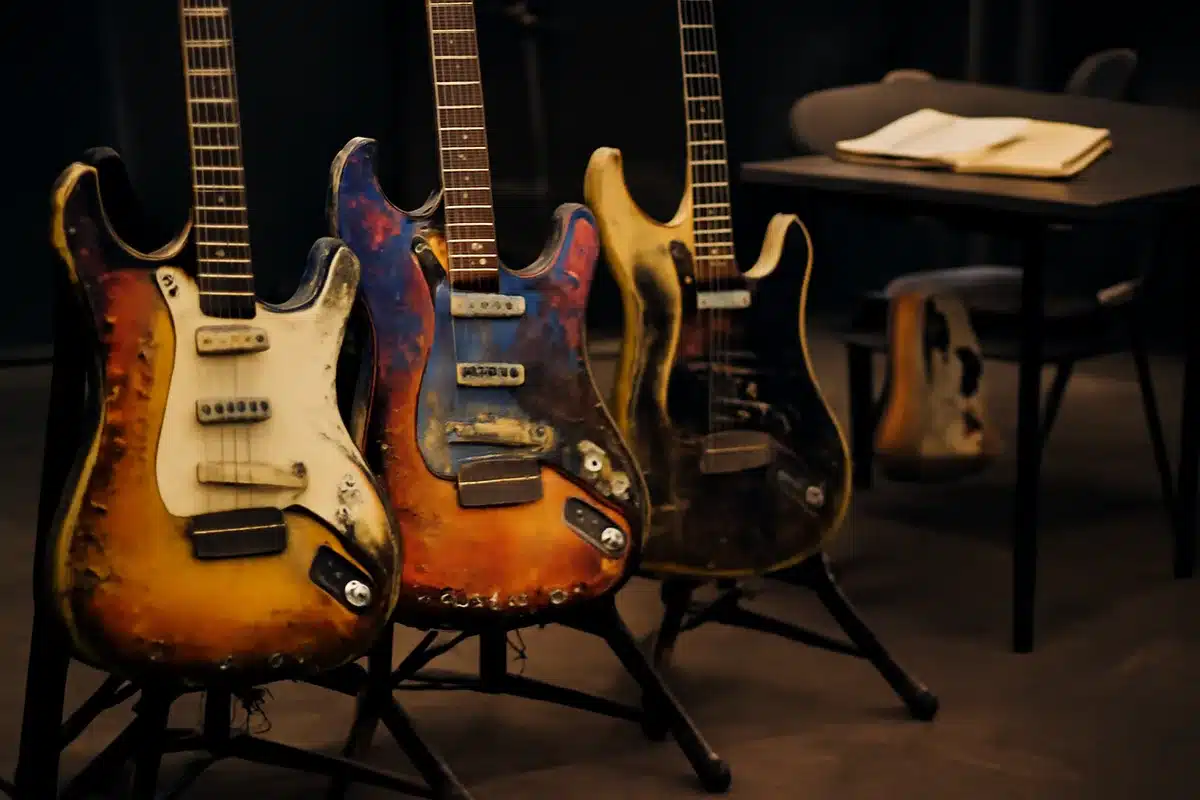
Fans and collectors expected guitars. What they got were stories wrapped in wood and strings. Some pieces had visible wear from decades onstage. Others were one-off builds with custom paint and modifications.
Notable lots that drew the most attention
- Vintage signature models with original modifications.
- Prototype instruments that never reached mass production.
- Stage-worn guitars bearing the marks of famous performances.
- Rare vintage brands and imported curiosities from Nielsen’s travels.
How the sale was organized: catalog, bids, and the night of the auction
The auction combined a polished catalog with online and live bidding. High-resolution photos and provenance notes accompanied each lot. That transparency boosted bidder confidence.
Formats and platforms used
- Online bidding for global participation.
- Live event for collectors and press.
- Private viewings by appointment for high-value items.
Who took part: bidders, celebrities, and collectors
The mix of participants reflected the auction’s reach. Lifelong fans, international collectors, and music industry insiders placed bids. Media outlets covered the event, amplifying interest.
- Die-hard Cheap Trick devotees hunting for personal memorabilia.
- Professional collectors seeking rare models and provenance.
- Music institutions and educators watching key pieces for acquisition.
Where the money went and the impact on communities
Rick Nielsen designated proceeds to benefit music education and community programs. The funds aimed to support instrument donations, lessons, and local music initiatives. Organizers reported that the auction delivered both cash and public attention to those efforts.
Donations focused on expanding access to music learning. That aim resonated with bidders who wanted their purchases to mean more than ownership.

Media reaction and fan response after the auction
Coverage ranged from feature articles to social posts. Fans shared memories linked to the guitars. Commentators discussed the cultural value of selling a musician’s tools.
- Many praised the charitable angle.
- Some debated the role of auctions in preserving musical heritage.
- Collectors celebrated new additions to private and museum holdings.
What this auction signals for the music memorabilia market
High-profile sales like this one often set trends. They can push values up for similar pieces. They also highlight the demand for instruments with strong provenance.
Trends to watch
- Increased interest in stage-worn and customized guitars.
- Growing role of online bidding in attracting global buyers.
- More musicians leveraging auctions to support causes.
How collectors can verify authenticity and provenance
Authenticity matters. Documentation and photos of the instrument in use strengthen claims. Collectors should request condition reports and provenance papers. Reputable auction houses provide these details before sale.
- Ask for original receipts or signed statements.
- Request high-res images and any repair logs.
- Confirm shipping and insurance procedures for high-value lots.
Where to follow future releases and related events
Fans who missed this auction can follow official channels for announcements. Auction houses and music charities often post upcoming sales. Subscribing to newsletters and alerts helps collectors stay informed about rare instrument drops and charity auctions tied to musicians.










