Show summary Hide summary
- Why the AI Gene Wilder Voice Became the Show’s Flashpoint
- How Netflix Is Turning Roald Dahl into a Franchise
- Production Design: Visual Splendor with Odd Choices
- Game Mechanics: Pair Play, Social Strategy, and Physical Trials
- Money, Stakes, and the Language of Prize Promises
- Where Modern Tech Collides with Storytelling Ethics
- Audience Reaction and Where the Show Fits in Pop Culture
- Distribution and What’s Next on Netflix
Netflix’s new reality show Wonka’s Golden Ticket lands like a shiny wrapper with a sour aftertaste. What begins as a high-gloss talent competition quickly becomes a debate about creativity, commerce, and whether resurrecting a dead actor’s voice crosses a line. Viewers and critics are asking if the series honors Roald Dahl’s legacy or turns it into something unrecognizable.
Why the AI Gene Wilder Voice Became the Show’s Flashpoint
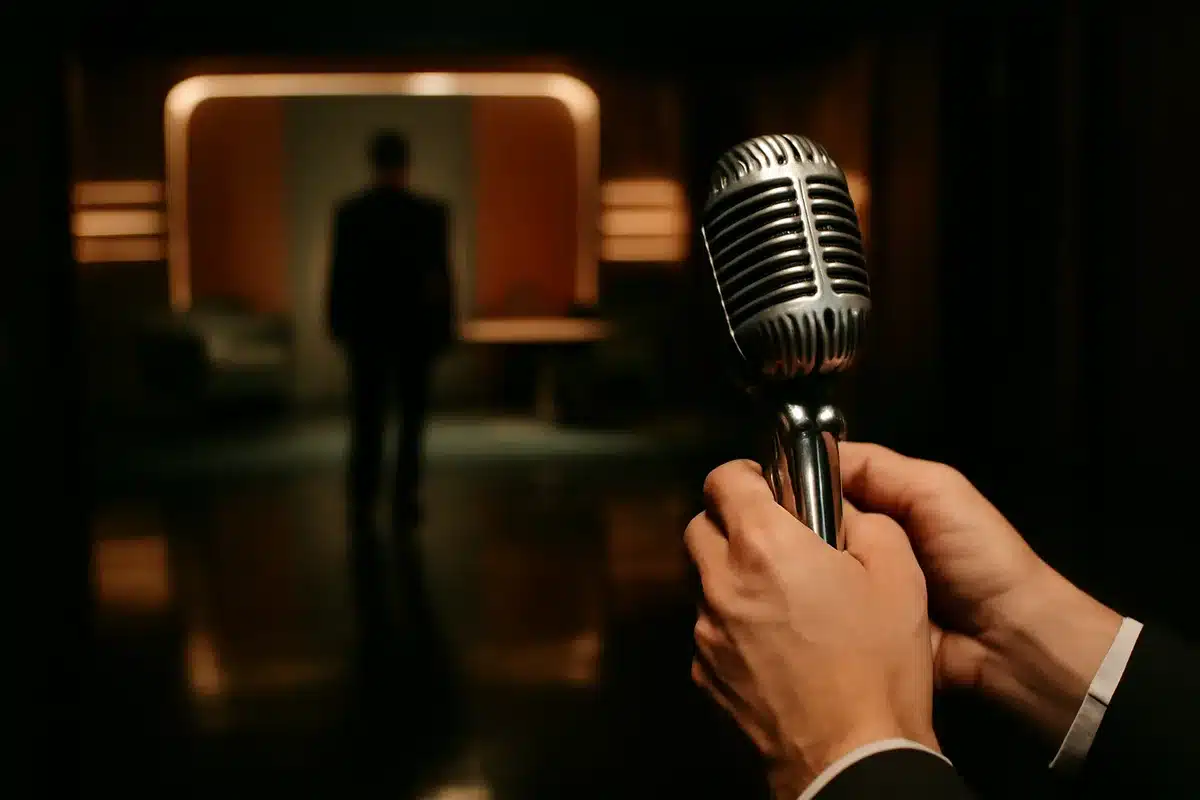
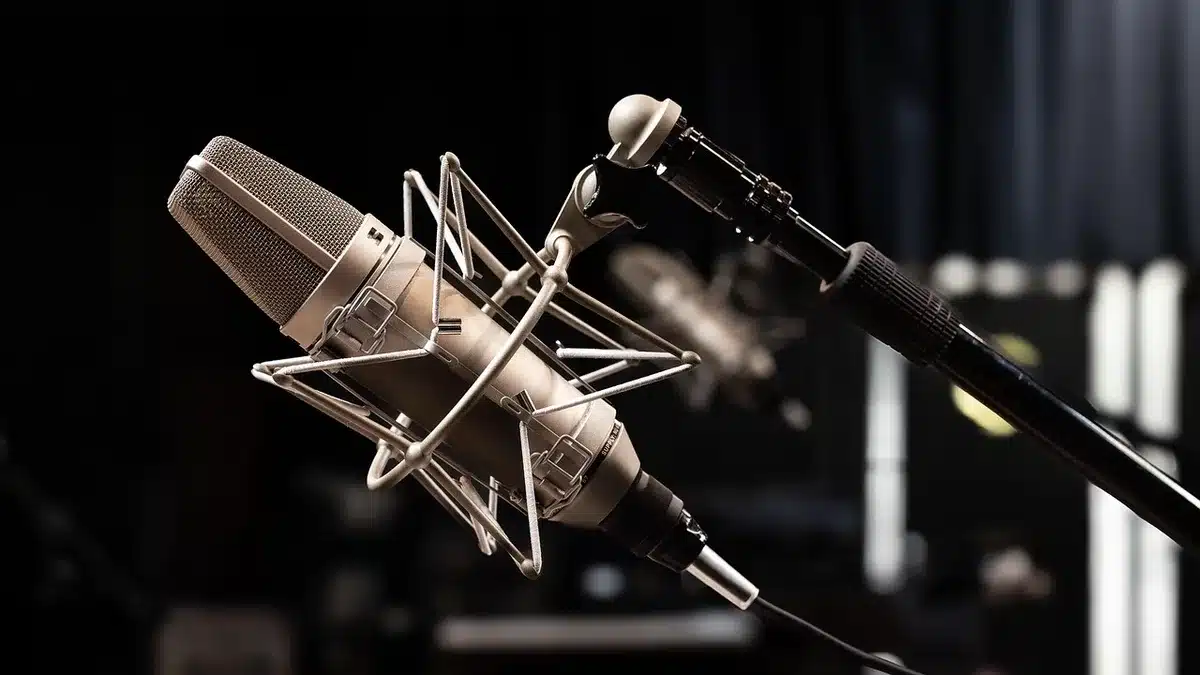
The series features an AI-generated version of Gene Wilder’s distinctive voice as its host. Wilder’s portrayal of Willy Wonka in the 1971 film is deeply embedded in popular culture. The producers say they had permission from his estate.
Nas slams music industry over disrespect: teases new music, vows to address it
1992 vocal performances: 3 jaw-dropping moments that still amaze
- Legal permission: The estate reportedly approved the use of Wilder’s vocal likeness.
- Emotional fallout: Many viewers find the aural recreation unsettling.
- Artistic limits: AI can copy tone but struggles with timing and human nuance.
That mismatch shows up in moments designed to be funny or eerie. The voice often hits the right pitch but misses the subtle beats that made Wilder’s performance memorable. For some viewers, the result feels like a tribute. For others, it reads as exploitation.
How Netflix Is Turning Roald Dahl into a Franchise
After acquiring The Roald Dahl Story Company, Netflix appears intent on keeping Dahl’s characters in rotation. Wonka’s Golden Ticket functions as part of that broader strategy.
- Brand stewardship: The show keeps Dahl’s IP in public view while new scripted projects develop.
- Fast-tracking formats: Unscripted spinoffs are cheaper and faster to produce than dramas.
- Cross-promotion: The series supports other Dahl-related releases and merch plans.
But monetizing a beloved universe has trade-offs. What sustains a literary classic and what turns it into clickbait are not always the same thing.
Production Design: Visual Splendor with Odd Choices
One area where the show does score points is production design. Sets reference the chocolate river, the Wonkavision studio, and other iconic locales.
- Wins: Lavish sets, creative rooms, and faithful visual callbacks.
- Strains: Retro-futuristic inserts sometimes feel lodged into the wrong era.
- Inconsistencies: Costume and cast choices create jarring contrasts in tone.
Design highlights include a honey-slicked beehive chamber and a hallway that shrinks. Yet the attempt to blend midcentury aesthetics with modern game-show sensibilities can feel uneven. The Oompa Loompas are present, but their varied casting adds a surreal layer to the fantasy.
Game Mechanics: Pair Play, Social Strategy, and Physical Trials
Contestants compete in teams of two across a mix of physical stunts and social challenges. The show borrows familiar reality TV mechanics, then dresses them in candy-coated imagery.
- Pair dynamics: Players advance and fail in tandem, which raises the emotional stakes.
- Physical tests: Stunts range from dizzying spins to obstacle-style puzzles.
- Social eliminations: Competitors nominate peers for removal, introducing alliances and betrayals.
The format sometimes produces earnest human moments. Yet the staged discovery of golden tickets and melodramatic backstories can feel contrived. Line readings meant to be poignant often land as exaggerated reality-TV beats.
Money, Stakes, and the Language of Prize Promises
The top prize is framed as $3 million, described oddly as “a six-figure income for 30 years.” The phrasing raises questions about marketing spin and perceived value.
- Psychological stakes: Casting and editing amplify life-changing narratives.
- Monetary framing: Language like “life-changing” is used to heighten drama.
- Viewer investment: The prize keeps audiences engaged despite tonal inconsistencies.
Where Modern Tech Collides with Storytelling Ethics
The show spotlights a broader industry shift toward using AI for creative ends. That raises several ethical and creative questions.
- Consent vs. commodification: Estate approval does not erase moral concerns.
- Authenticity: AI mimics presence, but can it recreate artistic intent?
- Precedent: Using a deceased actor’s likeness may open doors for more posthumous revivals.
AI will keep pushing boundaries in entertainment. The debate around this series is an early test case for where audiences will accept technology and where they will balk.
Audience Reaction and Where the Show Fits in Pop Culture
Early responses mix admiration for the visual world with criticism of the series’ premise. Social feeds are divided between fans who enjoy the spectacle and critics who find the concept problematic.
Some viewers say the show keeps Dahl’s name current. Others worry the series strips away complexity and retools cautionary tales into a spectacle. The ensemble cast has not yet produced a breakout personality, and much of the chatter focuses on the AI host.
Distribution and What’s Next on Netflix
The first seven episodes are available now, with a two-part finale set to air later this month. Netflix continues to roll out Dahl-related projects and will likely watch the audience response closely.
How the public receives this experiment could shape future choices about reviving historic performances. It also may influence how estates and studios negotiate uses of a performer’s voice and likeness in the age of AI.