
Show summary Hide summary
- Who’s speaking into this debate: an expert view on kids and screens
- Defining “good” children’s media: what experts look for
- Examples of media that tend to do well
- What to avoid: flashy gimmicks and low-effort videos
- Where Cocomelon and similar channels land on the scale
- Does the screen type matter? TV versus tablet versus phone
- Practical habits parents can adopt right away
- How researchers and parents can stay informed
Parents today face a media landscape very different from the one most of us grew up in. Classic shows still exist, but they share attention with an endless stream of YouTube clips, algorithm-driven channels, and AI-made content. That abundance makes choosing what’s healthy for young children both urgent and confusing.
Who’s speaking into this debate: an expert view on kids and screens
Dr. Jenny Radesky, a developmental and behavioral pediatrician at the University of Michigan Medical School, studies how children interact with media. She also helps lead the American Academy of Pediatrics’ Center of Excellence on Social Media and Youth Mental Health.
Nas slams music industry over disrespect: teases new music, vows to address it
1992 vocal performances: 3 jaw-dropping moments that still amaze
Her research with teams at other universities aims to translate complex findings into practical advice parents can use. Rather than handing out strict bans, Radesky frames the issue around how media is made and how children experience it.
Defining “good” children’s media: what experts look for
Quality isn’t one thing. Researchers evaluate shows and videos for different types of value.
- Educational depth: Content that deliberately teaches skills or concepts.
- Emotional relevance: Stories that reflect kids’ lives and help them understand feelings.
- Thoughtful pacing: Programs that leave room for reflection, not constant stimulation.
- Respectful humor and storytelling: Plots and jokes that don’t rely on chaos or shock to engage.
When these elements line up, the content usually supports learning and growth. Classic public broadcasting shows and some newer indie series often score higher on these criteria.
Reliable series parents often trust
- Longstanding public-television programs with intentional curricula.
- Gentler, character-driven shows that model social skills and problem solving.
- Well-produced newcomers that focus on emotional learning and real-life scenarios.
Examples of media that tend to do well
Programs praised by researchers often share similar traits. They are slower-paced, give children time to absorb new ideas, and tell stories rooted in everyday experiences.
- Shows that model conflict resolution and coping skills.
- Programs that mirror family life and friendships.
- Content designed by educators or child development specialists.
These qualities help kids make meaning of their world, rather than just filling time.
What to avoid: flashy gimmicks and low-effort videos
Not all popular content is beneficial. Some videos maximize clicks with attention-grabbing visuals and frantic pacing.
Researchers call this kind of design “bedazzling.” It’s engineered to hook viewers quickly, but it offers little lasting educational value. Often, these videos are mass-produced and may be assembled with little regard for developmental appropriateness.
- Fast edits and overstimulating animations are common red flags.
- AI-assembled clips that mash unrelated characters and toys together usually provide no meaningful learning.
- High view counts don’t equal high quality.
When content exists mainly to capture attention, it can short-circuit deeper engagement.
Where Cocomelon and similar channels land on the scale
Some familiar preschool channels attract massive audiences but sit in the middle of the quality spectrum. They often present simple lessons and upbeat music, but with little challenge or conflict.
That might be fine for occasional viewing. But experts point out that children also benefit from media that introduces manageable problems and solutions.
Why stories need friction
Conflict in stories helps children develop problem-solving skills. When characters face and overcome obstacles, young viewers learn coping strategies and build confidence.
Media that removes all challenge can deprive children of opportunities to see growth modeled and practiced.
Does the screen type matter? TV versus tablet versus phone
The device changes how children relate to media. TVs and physical books are more likely to be treated as shared objects.
- TV viewing often becomes a group activity, with adults or siblings nearby.
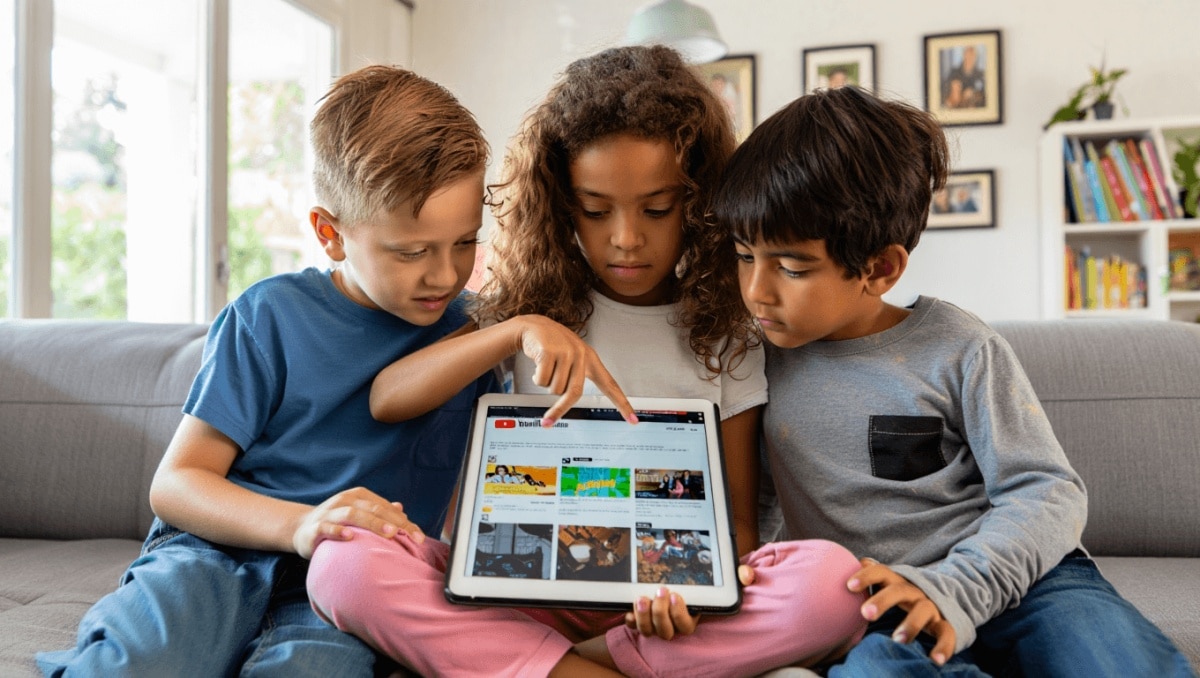
- Tablets and phones tend to create solitary, immersive experiences.
- Handheld screens can foster a “sensory cocoon” that isolates a child from social interaction.
Because early childhood is rich with informal learning, experts encourage treating media as an opportunity for co-engagement. Watching together allows adults to explain content, ask questions, and connect play with real life.
Practical habits parents can adopt right away
- Set predictable media routines: Designate times and spaces for screens.
- Prefer co-viewing: Watch with your child and discuss what you see.
- Curate content: Choose shows and channels that model problem solving.
- Avoid using screens as the go-to calming tool: Teach alternative coping skills.
- Monitor for overstimulation: Pay attention to pacing, edits, and how your child reacts.
How researchers and parents can stay informed
Scholars who study media and child development share guidance through articles, podcasts, and public resources. Engaging with those materials can help parents separate marketing from meaningful content.
Simple steps—curation, co-viewing, and predictable limits—make a big difference in turning media from a passive babysitter into a tool that supports learning.










