Show summary Hide summary
- When applause turned to jeers: a flashpoint in music culture
- André 3000’s reply: not a rant, but a forecast
- How that message showed up in the decade that followed
- Artists who carried the vision forward
- Why the boos now seem shortsighted
- The cultural payoff of artistic risk
- What this moment teaches creators and listeners
The night Outkast faced boos from an audience felt like a rupture in hip-hop’s story. What sounded like rejection then reads now as the sound of an art form inventing its next chapter. André 3000’s response that evening wasn’t just a defense of a group; it was a glimpse into forms and freedoms hip-hop would soon embrace.
When applause turned to jeers: a flashpoint in music culture
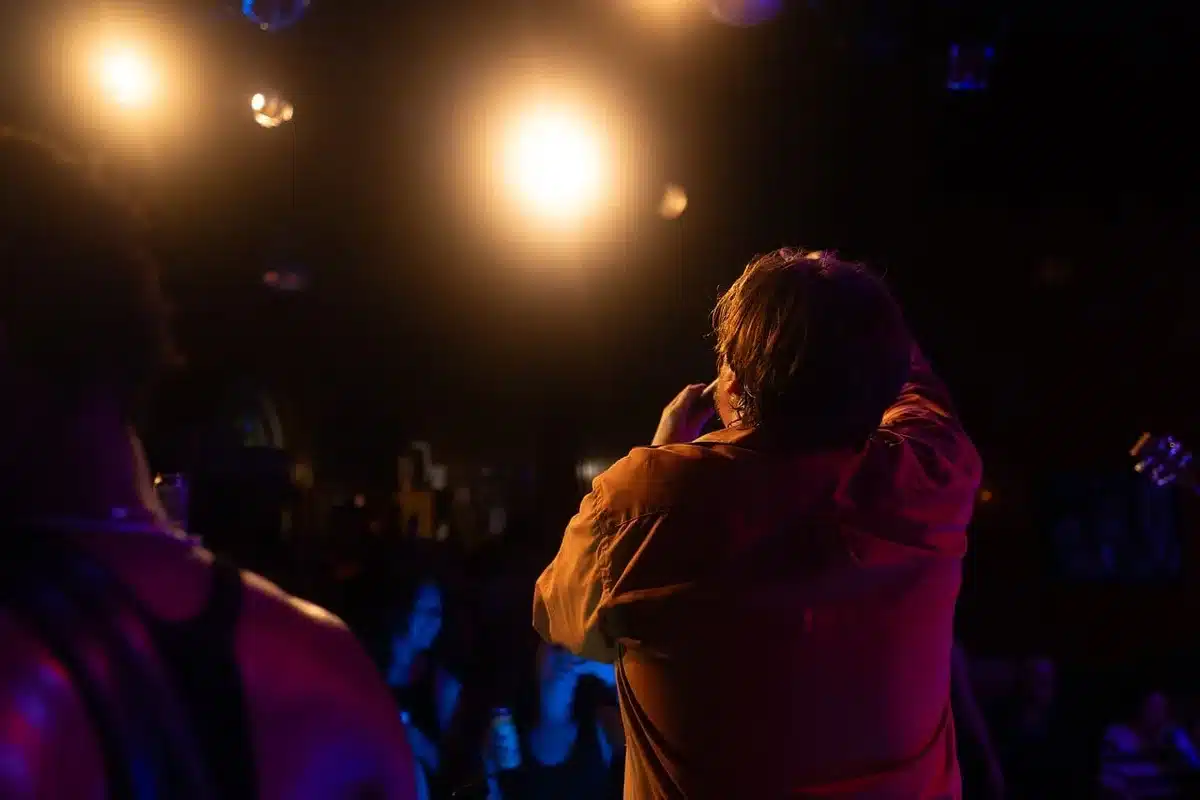
That moment of public disapproval happened at a high-profile awards night. Cameras caught incredulous faces, and social commentators framed the incident as a cultural rebuke. For many, the boos signaled a gap between mainstream expectations and artists pushing boundaries.
- Audiences expected familiar beats and bravado.
- Outkast offered something different: risk, melody, and eccentricity.
- The crowd’s reaction crystallized tensions about change in popular music.
Nas slams music industry over disrespect: teases new music, vows to address it
1992 vocal performances: 3 jaw-dropping moments that still amaze
André 3000’s reply: not a rant, but a forecast
Instead of retreating, André 3000 answered with clarity. He refused to narrow his voice to fit a moment. His remarks emphasized exploration over formula and suggested that hip-hop could expand its sonic and emotional range. He argued for artists to follow imagination, not trends.
Key themes in his message
- Creative freedom as central to artistic survival.
- Blending genres and bending expectations.
- Embracing vulnerability and nontraditional performance.
How that message showed up in the decade that followed
The ideas André championed did not remain theoretical. They began to surface across records, stages, and streaming playlists. Hip-hop evolved faster than many predicted, adopting melodic singing, experimental production, and emotional openness.
- Melody and singing became staple tools for rappers.
- Producers mixed electronic textures with classic sampling.
- Autotune and vocal processing shifted from novelty to stylistic choice.

Artists who carried the vision forward
A range of performers picked up threads André had offered. Their success showed how audiences could welcome experimentation once it was persistent and authentic.
- Artists who blurred singing and rapping found mainstream airplay.
- Producers embraced atmospheric, genre-crossing beats.
- Songwriters explored personal narratives and melodic hooks.
Examples of trends that echo André’s stance
- Genre fusion: rap mixed with R&B, electronic and indie elements.
- Emotional honesty: lyrics that foreground introspection over machismo.
- Visual daring: fashion and performance that defy hip-hop stereotypes.
Why the boos now seem shortsighted
At the time, boos reflected discomfort with change. In hindsight, they read as resistance to a future that many listeners would eventually embrace. The audience reaction overlooked a core truth: music evolves when artists risk alienation to expand form.
- Initial rejection often accompanies innovation.
- Market success can follow persistence, not immediate approval.
- Cultural tastes shift when new sounds prove meaningful.
The cultural payoff of artistic risk
When artists defy expectation, the payoff isn’t guaranteed. But when experiments connect, they can redefine public taste. The move toward melodic rap and broader sonic palettes grew into mainstream trends that shaped streaming, radio, and festival lineups.
That single night of boos became a touchpoint for debates about authenticity, commercialism, and artistic stewardship. It also marked a moment when a leader in the genre signaled that the future would be plural, not monolithic.
What this moment teaches creators and listeners
The episode is a lesson in patience and perspective for both artists and audiences. Creators learn the cost of bravery. Listeners learn to judge work by its substance, not its conformity. Over time, the community that once booed can become the same crowd that cheers innovation.
- Artists: risk can precede reward.
- Fans: familiarity shifts; curiosity pays off.
- Industry: supporting bold voices can expand markets.