
Show summary Hide summary
The 1980s threw a lot at music listeners: neon aesthetics, booming synths, and bold experiments that bent genres into new shapes. Some tracks from that era sounded so unusual then, they now read like blueprints for later scenes. Below are three standout songs that blurred lines and predicted the future of pop, electronic, and hip-hop production.
Talking Heads — “Once in a Lifetime”: art-rock meeting worldbeat
When Talking Heads released this song, it felt like a conversation between rhythm and philosophy. The track pairs cerebral lyrics with a hypnotic groove. That mix was rare on mainstream radio.
Nas slams music industry over disrespect: teases new music, vows to address it
1992 vocal performances: 3 jaw-dropping moments that still amaze
Why it felt ahead of its time
- Layered polyrhythms that borrowed from African and Afro-Caribbean traditions.
- Production that emphasized texture over traditional verse-chorus hooks.
- An unconventional vocal delivery that read like spoken-word and singing at once.
Key production moves
- Interlocking guitar and bass patterns created a steady, trance-like pulse.
- Use of studio effects to make organic instruments sound slightly mechanical.
- Sparse arrangement that left space for lyrics to land.
How it influenced later music
- Inspired alternative and indie acts to experiment with global rhythms.
- Paved the way for art-pop that values mood and texture.
- Shows up in playlists alongside modern experimental pop and electronic crossover.
New Order — “Blue Monday”: synth-driven dance rock that rewired clubs
At a time when rock and electronic music lived in separate worlds, this song smashed that wall down. A cold, precise synth bass met sequenced drums to form a new club language.
What made it revolutionary
- Electronic sequencing that felt both mechanical and deeply human.
- Melancholic vocals over a groove built for dance floors.
- Production techniques that foreshadowed house and techno.
Standout elements producers copied
- Looped drum patterns and gated synth hits became templates for dance producers.
- Integration of post-punk aesthetics with electronic instrumentation.
- Mixing choices that highlighted rhythm over harmonic complexity.
Legacy in clubs and charts
- Helped bridge indie audiences and club culture.
- Remixed and sampled widely across decades.
- Often cited as a direct ancestor of 90s electronic dance music.
Herbie Hancock — “Rockit”: jazz keyboard meets hip-hop turntablism
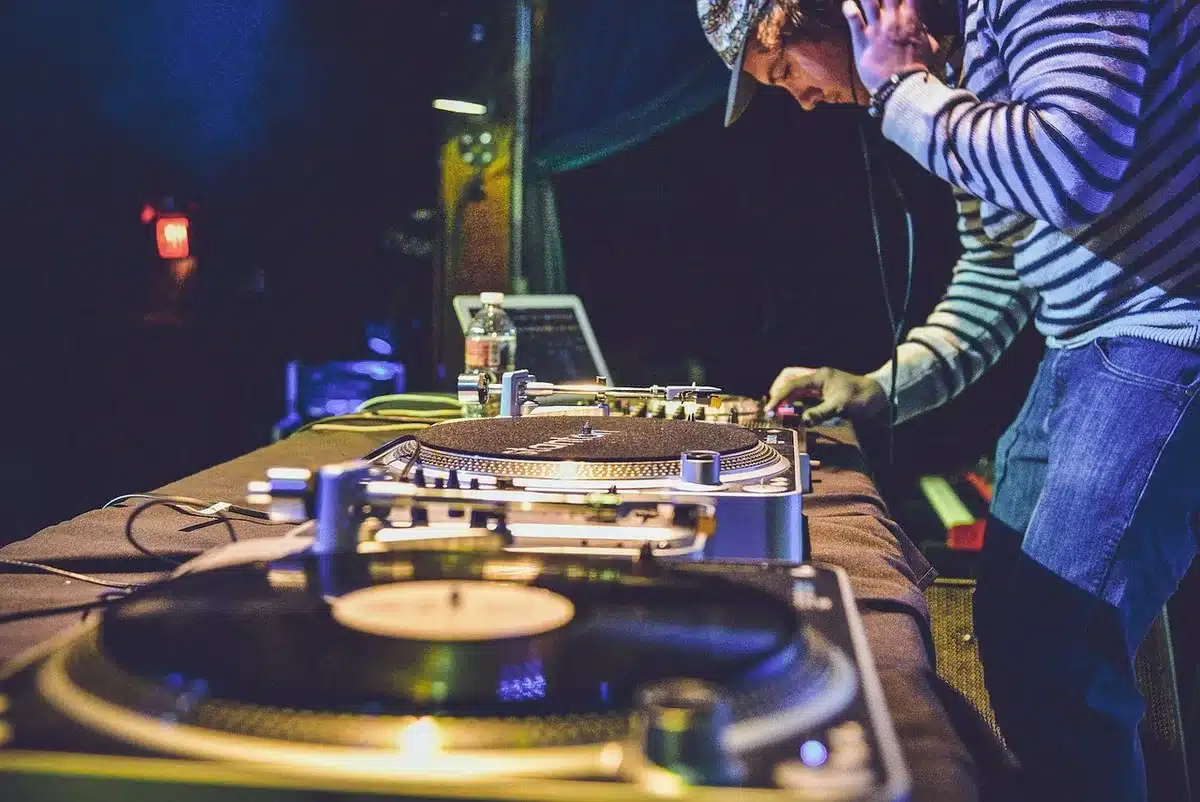
This instrumental single stunned listeners by making scratches and DJ techniques central to a mainstream track. It felt like an unlikely meeting of jazz virtuosity and street-level innovation.
How it broke rules
- Put turntable scratching at the center of a commercially released song.
- Mixed acoustic jazz sensibilities with electronic textures.
- Offered an instrumental hit in a pop market dominated by vocal tracks.
Technical innovations
- Sampling and live scratching were foregrounded as musical instruments.
- Futuristic synth patches that complemented rhythmic staccato.
- Production that balanced improvisation and programmed elements.
Impact on genres that followed
- Validated turntablism as a legitimate musical voice.
- Opened doors for jazz-electronic hybrids in the 90s and 2000s.
- Remains a reference point for producers blending human performance and machine techniques.










