Show summary Hide summary
- How “Still D.R.E.” became the soundtrack of a comeback
- The surprising ghostwriter behind Dre’s verses
- How the recording session unfolded
- Who contributed to the sound: beats, keys, and collaborators
- Why the ghostwriting revelation mattered to hip-hop
- Reactions from fans and the broader music world
- How that moment shaped perceptions of Dre and the writer
When Dr. Dre returned to the spotlight in 1999 with the hard-driving single “Still D.R.E.,” fans assumed they were hearing his words. The truth behind those verses is more surprising: a top rapper quietly handed Dre the lines that helped relaunch his public persona. That behind-the-scenes twist reshaped how people saw Dre’s comeback, and it became one of hip-hop’s most talked-about production stories.
How “Still D.R.E.” became the soundtrack of a comeback
The song arrived as the lead single from Dre’s 2001 album. It had a cold, repeating piano riff and a crisp, minimalist beat. Radio stations and clubs picked it up fast. The track framed Dre as firmly back in control of the West Coast sound.
Nas slams music industry over disrespect: teases new music, vows to address it
1992 vocal performances: 3 jaw-dropping moments that still amaze
- Signature piano motif created an instantly recognizable hook.
- Snoop Dogg’s presence tied the track to Dre’s G-funk legacy.
- The beat and production values signaled a modern, polished era for Dre.
The surprising ghostwriter behind Dre’s verses
Jay-Z quietly stepped in as the voice behind Dre’s lines. Many listeners assumed Dre had written every bar. In reality, a prominent East Coast rapper wrote the verses Dre performed in the studio. The revelation surprised fans and sparked debates about authorship in rap.
Why Dre asked for help
Dre had spent years focusing on production and behind-the-scenes work. When he decided to rap again, he sought help shaping the words to match his renewed image. The collaboration blurred lines between performance and composition.
How the recording session unfolded
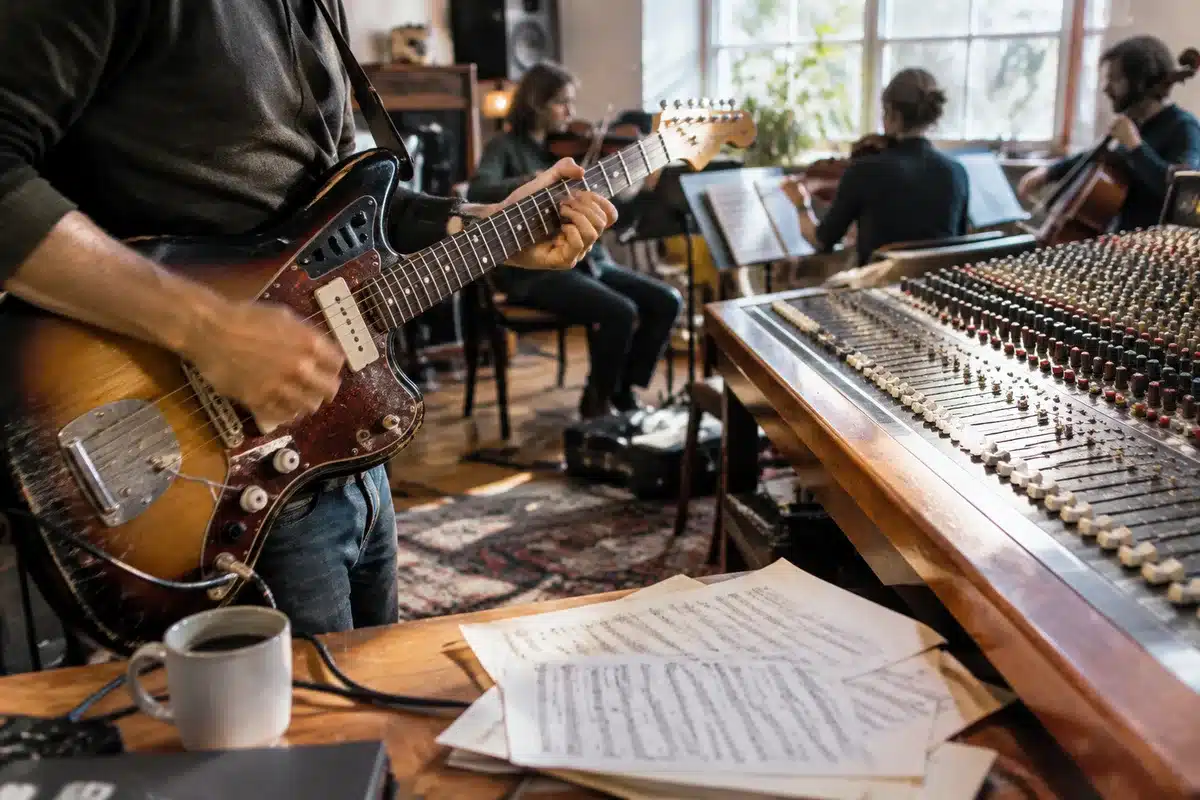
The song came together in a fast, professional studio environment. Producers and musicians sketched the sonic frame. Then a seasoned lyricist dropped in to craft the vocal lines Dre would deliver.

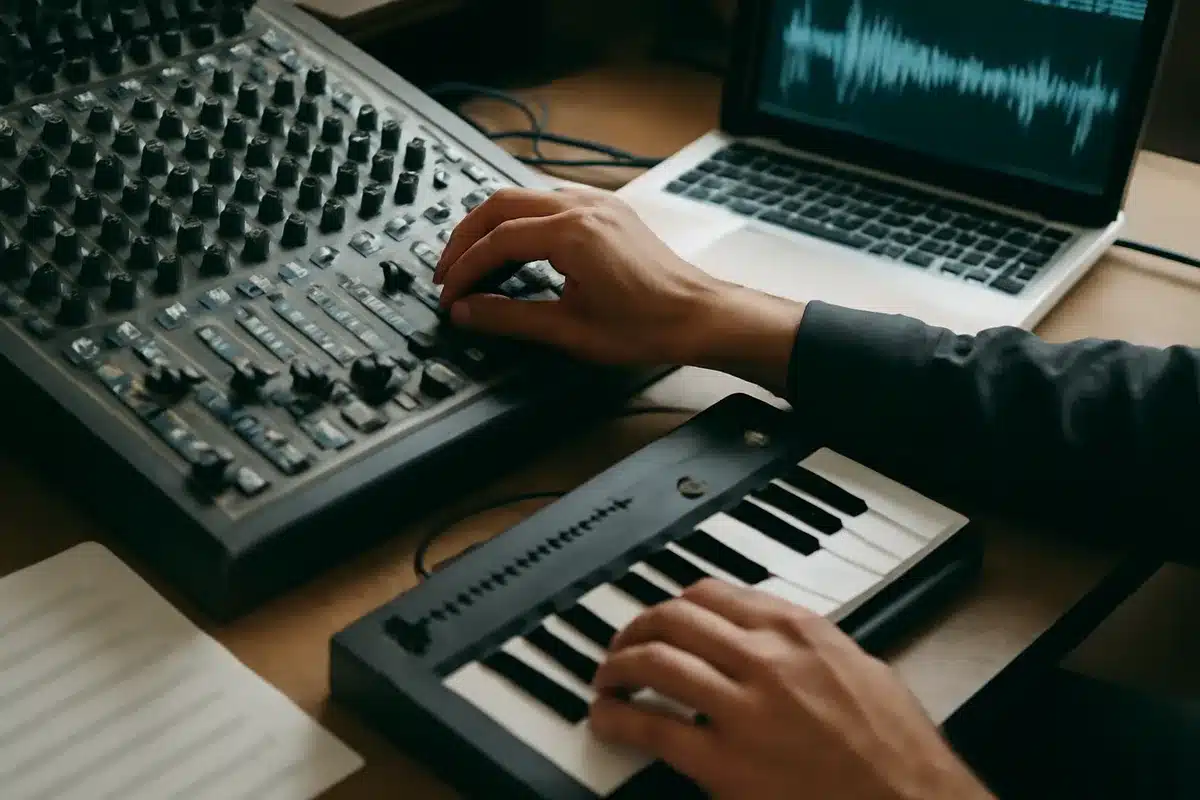
- Producers laid down the drum pattern and keys first.
- A tightly written verse was handed to Dre to record.
- The final vocal performance kept Dre’s cadence and presence intact.
Who contributed to the sound: beats, keys, and collaborators
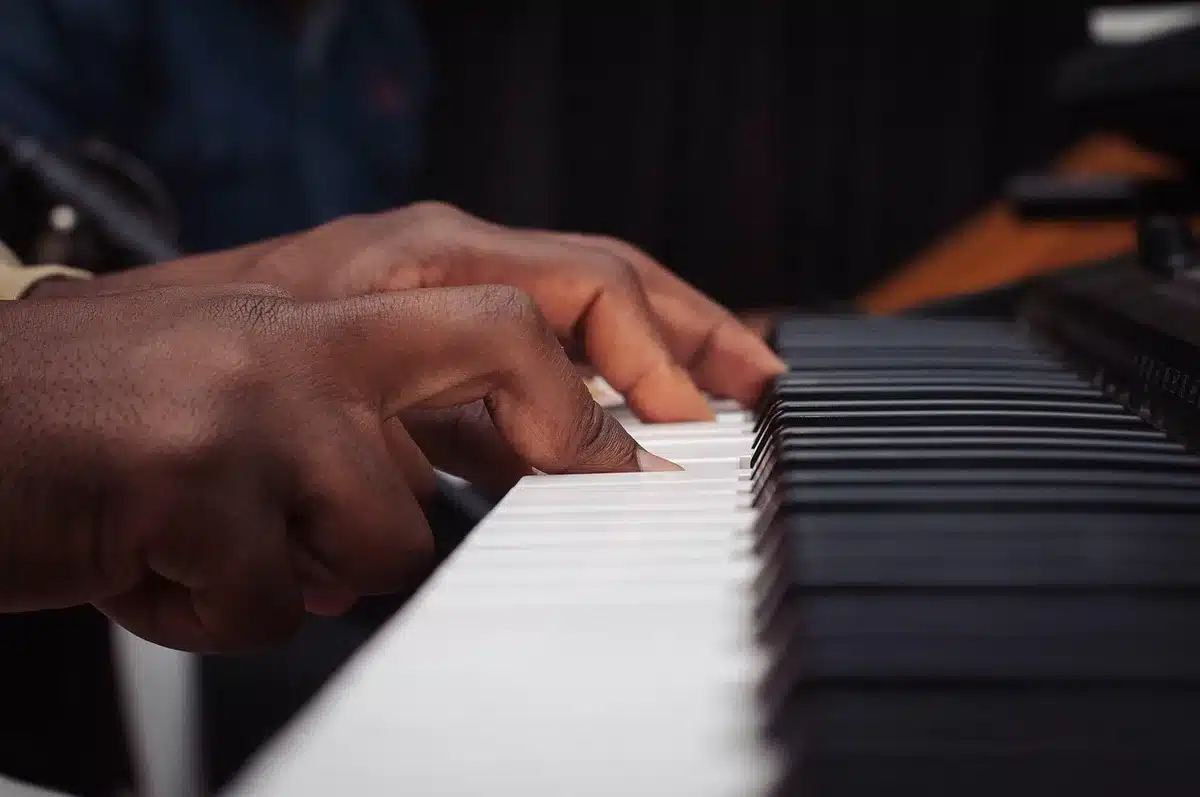
Beyond the writing, several people shaped the song’s atmosphere. A crisp production team paired a looping piano part with clean percussion. A guest vocalist reinforced the chorus. Together, these elements produced a timeless, anthemic track.
- Production emphasized clarity over clutter.
- The piano hook gave the song its earworm quality.
- Featured artists added texture and credibility.
Why the ghostwriting revelation mattered to hip-hop
At the time, some listeners saw ghostwriting as a betrayal of authenticity. Others defended the practice as practical collaboration. The episode prompted wider conversations about creative roles in rap and how artists present themselves.
- Debates focused on authenticity versus teamwork.
- It highlighted the commercial realities of high-stakes releases.
- Producers and writers gained more visibility after the story broke.
Reactions from fans and the broader music world
Fans reacted strongly on both sides. Some were disappointed. Others felt the finished product justified the method. Critics and historians later pointed to the track as a case study in how hits are often collaborative creations.
The takeaway for many was simple: great songs can come from unexpected partnerships.
How that moment shaped perceptions of Dre and the writer
The episode did not diminish Dre’s status as a producer and cultural force. It also reinforced the writer’s reputation for adaptability and skilled craft. Both figures continued to influence hip-hop in distinct ways after the release.
Industry insiders kept using this story to illustrate how hits are built — mixing image, production, and skilled writing in service of a single, strong track.