Show summary Hide summary
Music discovery used to mean swapping mixtapes and radio finds. Now playlists and influencer reels set the hits. But when creators accept payment without disclosing it, listeners can be misled about who’s truly recommending the music.
Why influencer recommendations drive music trends
Social platforms have turned personalities into tastemakers. A single short video can push a song into global charts. That power makes influencer picks valuable to artists and labels.
Nas slams music industry over disrespect: teases new music, vows to address it
1992 vocal performances: 3 jaw-dropping moments that still amaze
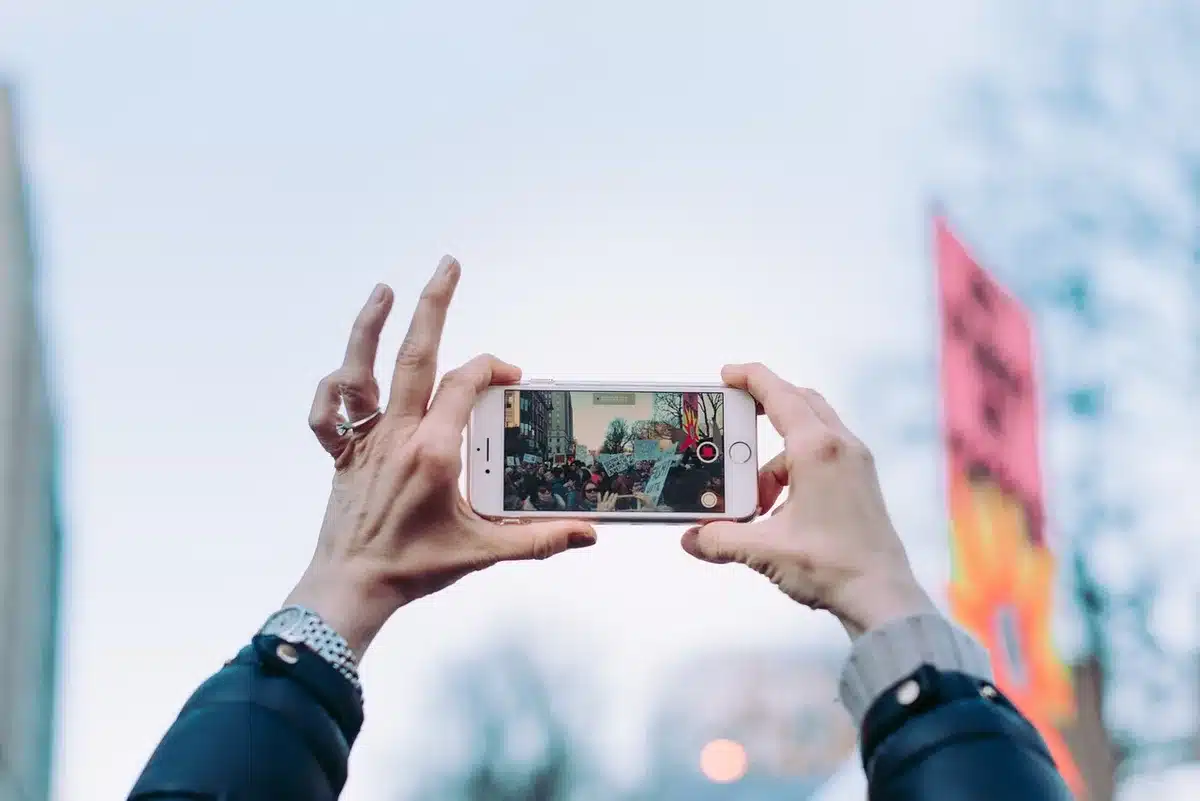
Trust is the currency. When an influencer shares a track, fans assume it’s a genuine favorite, not always a paid placement.
Inside the NPR episode examining paid music promotion
NPR’s podcast It’s Been a Minute explored this topic in a recent episode. Host Brittany Luse spoke with NPR music reporter Isabella Gomez Sarmiento.
The conversation unpacked how undisclosed promotions surface and why they matter to listeners, creators, and the broader music ecosystem.
How covert paid promotions actually work on social apps
Brands and labels often partner with creators to place songs in content. Sometimes agreements are explicit and labeled. Other times, promotions lack clear disclosure.
- Labels supply optimistic tracking numbers and creative briefs.
- Creators may receive payment, free merchandise, or promo deals.
- Content is posted as authentic personal opinion rather than an ad.
When disclosure is missing, the audience cannot distinguish genuine discovery from marketing strategy.
Impacts on listeners, artists, and transparency
Hidden paid placements can inflate a song’s perceived popularity. That shapes playlists, radio attention, and career momentum.
For fans, this blurs the line between honest recommendation and sponsored content. For artists, it can be a shortcut to exposure but also a potential credibility risk.
Regulatory and ethical pressures
Advertising rules and platform policies call for clear labeling. Enforcement is uneven, and the culture around disclosure is still evolving.
Tips to spot paid music promotions
Listeners can take simple steps to read between the lines. Watch for these signs:
- Overly polished captions that sound promotional.
- Repeated use of a single song across multiple creators in short time.
- Vague language or missing labels such as #ad or #sponsored.
- Sudden shifts in an influencer’s usual content style.
If unsure, check the creator’s other posts or the artist’s official channels for confirmation.
How to support authentic discovery and public media
Seek out trusted music sources—journalists, critics, and community-curated lists. Podcasts that investigate industry practices can help listeners stay informed.
Public media offers deeper context. NPR supports such reporting. Fans who want bonus content and fewer ads can explore membership options like NPR+ for perks and extra episodes.
Newsletters and specialty programs remain useful tools for curated finds and media literacy around paid promotions.
Image credit: Letterboxd / Facebook