Show summary Hide summary
- Setting, source material, and the central mystery
- How the story unfolds and the emotional stakes
- Fred Hechinger: a controlled, revealing lead turn
- Supporting players: anchors and frictions
- Style and themes: grief, desire, and the winter metaphor
- Comparisons with All of Us Strangers and Haigh’s trajectory
- Reception at festivals and early critical notes
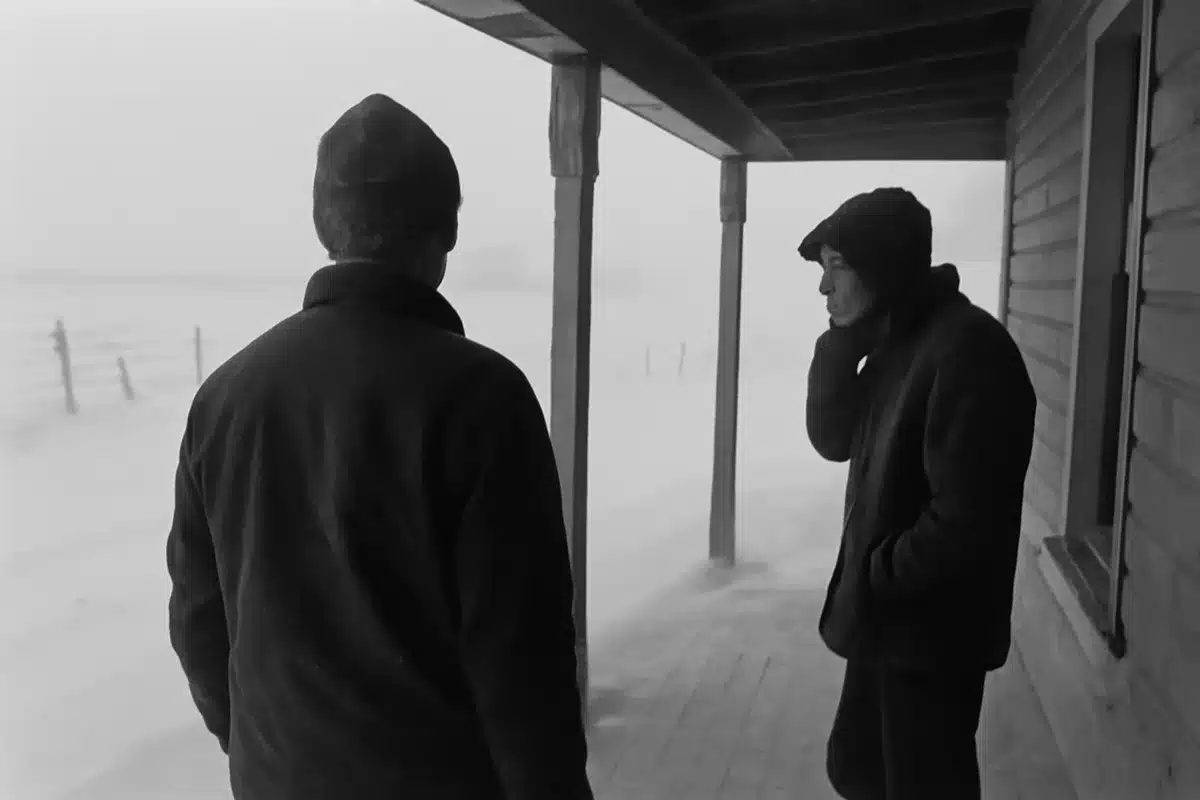
Andrew Haigh’s new film A Long Winter peels back a family’s quiet façade to reveal cold truths and slow reckonings. Set against a bleak 1950s Colorado landscape, the movie tracks a young man’s search for his missing mother and, in the process, his own sense of desire and identity.
Setting, source material, and the central mystery
Adapted from Colm Tóibín’s short story, A Long Winter places its drama in a small mountain homestead. The season and the scenery are characters of their own: wind-scoured fields, lonely roads, and an unforgiving winter that shapes choices.
Nas slams music industry over disrespect: teases new music, vows to address it
1992 vocal performances: 3 jaw-dropping moments that still amaze
- Timeframe: early 1950s, postwar America.
- Location: isolated Colorado farm and surrounding mountains.
- Source: based on a literate short story by Colm Tóibín, reimagined by director Andrew Haigh.
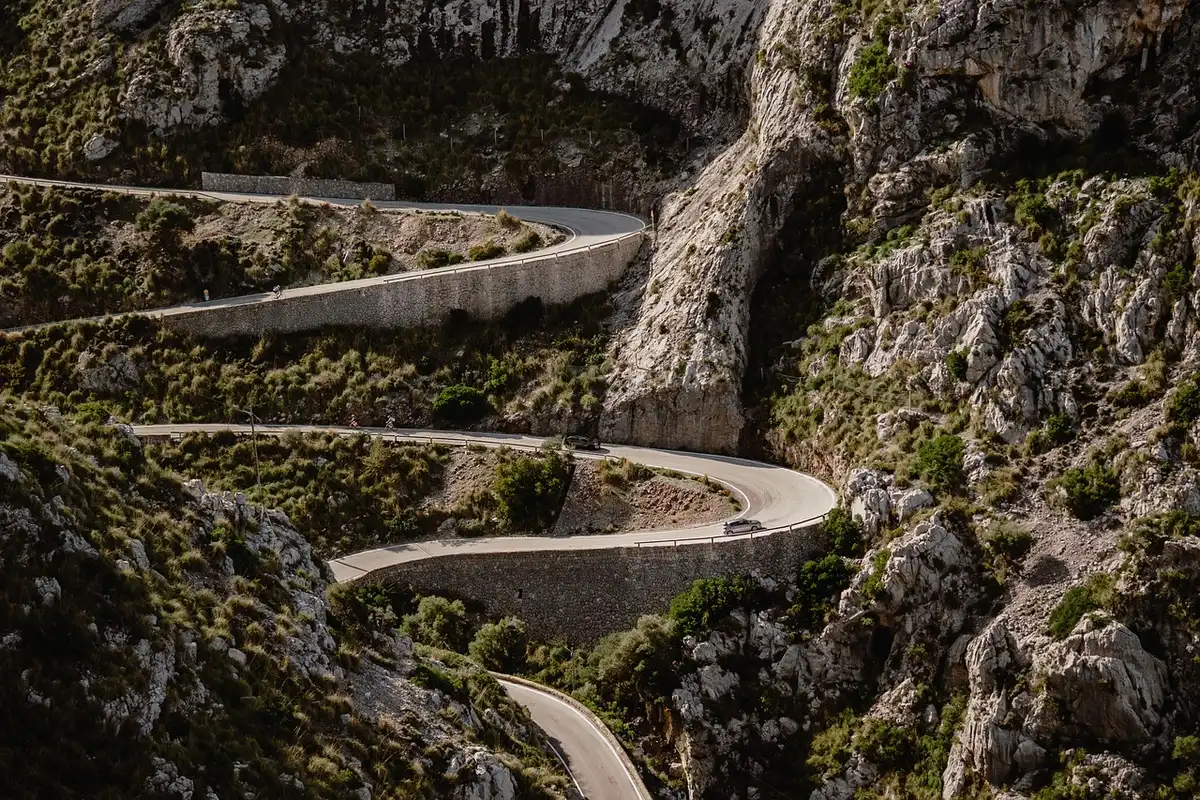
The plot begins simply. A family routine frays when one son leaves for work. A mother’s cheerful surface slowly erodes into anger and absence. When she disappears into a whiteout, the film turns into a twofold journey: a search across the landscape and a quest for inner truth.
How the story unfolds and the emotional stakes
At the film’s center is Mike, a young man whose childhood rhythms are upended by loss. As he tracks leads and revisits landmarks, Haigh stages scenes that blend investigation with intimacy.
- Brother leaves for distant work, changing household dynamics.
- Mother grows withdrawn and volatile; a mysterious walk leads to disappearance.
- Mike conducts a patient, often desperate search through town, mines, and family estates.
- Along the way he forms a tentative bond with Jimmy, a new arrival on the property.
These outward steps mirror inner shifts. The film uses absence to let memory, longing, and self-recognition grow sharper.
Fred Hechinger: a controlled, revealing lead turn
Fred Hechinger gives what may be his most measured performance yet. Known for more overtly lively parts, here he narrows his palette.
- Early scenes: warmth and easy reminiscence, small-town cadence.
- After the disappearance: quieter, riskier choices — subtle changes in speech and posture.
- Key strength: making silence and stillness expressive.
Hechinger lets small diction changes signal major interior shifts. When Mike swaps familiar, homespun phrases for more modern words about coping and desire, it marks a private unmooring from his father’s model of manhood.
The role asks him to carry long scenes alone against wind and snow. Hechinger responds with a performance that balances heartbreak and curiosity.
Supporting players: anchors and frictions
The ensemble provides texture, though not every performance lands equally.
Standouts and their roles
- Caitríona Balfe as the mother: warmth braided with volatility, crucial to the film’s emotional gravity.
- Kit Connor as the younger brother: a brief presence whose departure triggers the unraveling.
- D’Pharaoh Woon-A-Tai as Jimmy: a fresh bond that nudges Mike toward new possibilities.
- Martin Freeman as the uncle: an unsettling, upper-class contrast to mountain life.
Ebon Moss-Bachrach plays the father with a gruff, old-fashioned masculinity. At times his bluster reads thin next to Mike’s inward intensity. These mismatches are intentional tools in Haigh’s portrait of a family out of sync.
Style and themes: grief, desire, and the winter metaphor
Haigh frames emotional thawing against the literal cold. The film favors restraint over melodrama and allows scenes to breathe.
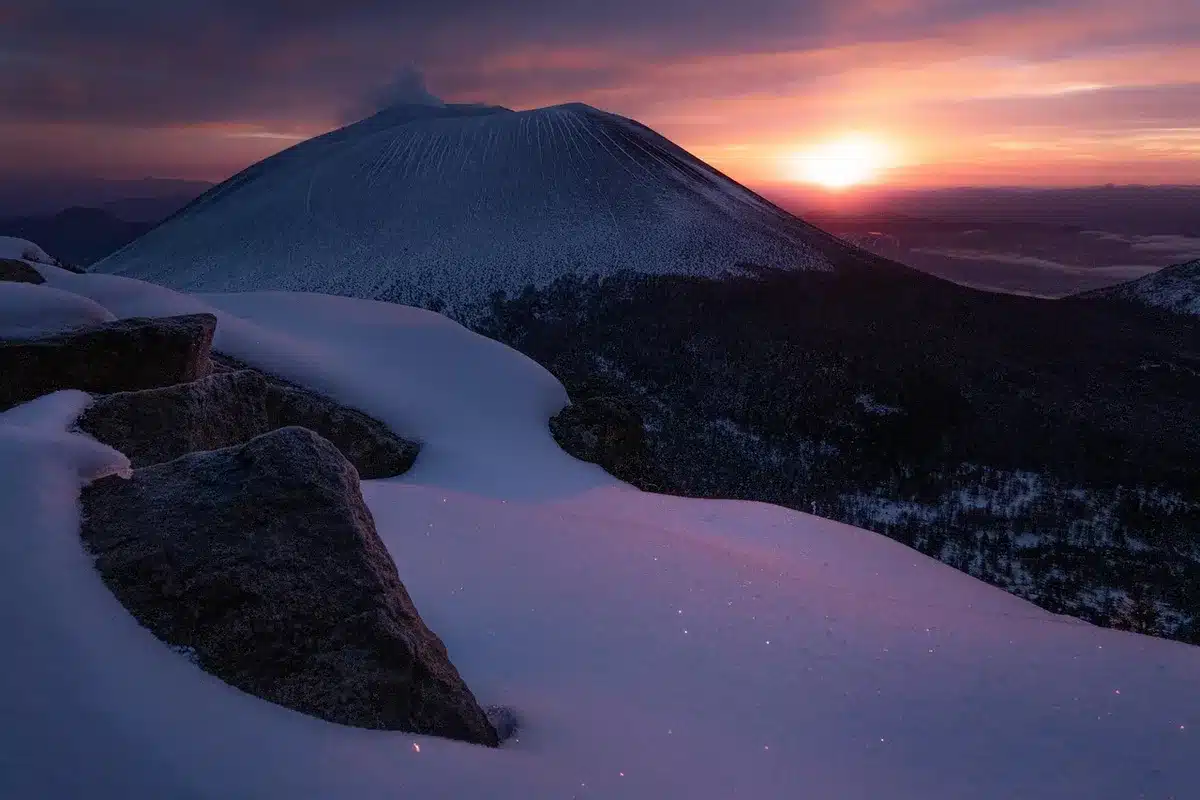
- The mountain landscape is a mood device, not merely a backdrop.
- Absence and memory function like weather systems — shifting, eroding, revealing.
- The narrative treats sexual identity and familial expectation as intertwined struggles.
The director’s focus is inward: how longing reshapes a life when the people you trusted become strangers. Unlike some of Haigh’s past work, A Long Winter rarely slides into genre. It borrows a few haunting touches, but remains primarily a character study.
Comparisons with All of Us Strangers and Haigh’s trajectory
There are clear echoes of Haigh's previous film All of Us Strangers. Both examine gay men reconciling desire with parental histories.
Where All of Us Strangers leaned into a spectral, heightened emotionality, A Long Winter carves a quieter path. It trades overt supernatural suggestion for the slow arithmetic of memory and weather.
- Shared concerns: reconciliation, parental truth, self-acceptance.
- Different tools: one theatrical and visceral, the other contemplative and elemental.
Haigh’s choice to strip back the director’s hand lets actors inhabit small gestures that accumulate into emotional authority.
Reception at festivals and early critical notes
A Long Winter premiered during the Toronto International Film Festival’s Canadian program, where critics noted its measured mood and strong central performance. Responses highlighted the film’s ability to feel both austere and intimately tender.
Technical elements—cinematography that prizes negative space, a soundscape of wind and silence, and a script that favors implication—help the film convey loneliness without spectacle. Early viewers pointed to the movie’s refusal to dramatize every revelation, trusting audiences to read between the lines.