Show summary Hide summary
- How this season reshapes the Monster franchise
- A concise view of the plot and mood
- Cast highlights and performances to watch
- Visual style, themes and feminist undercurrents
- How historical fact and fiction are mixed
- Crossovers, cameos and the anthology’s recurring gambit
- Early impressions and open questions
- Where to stream and episode format
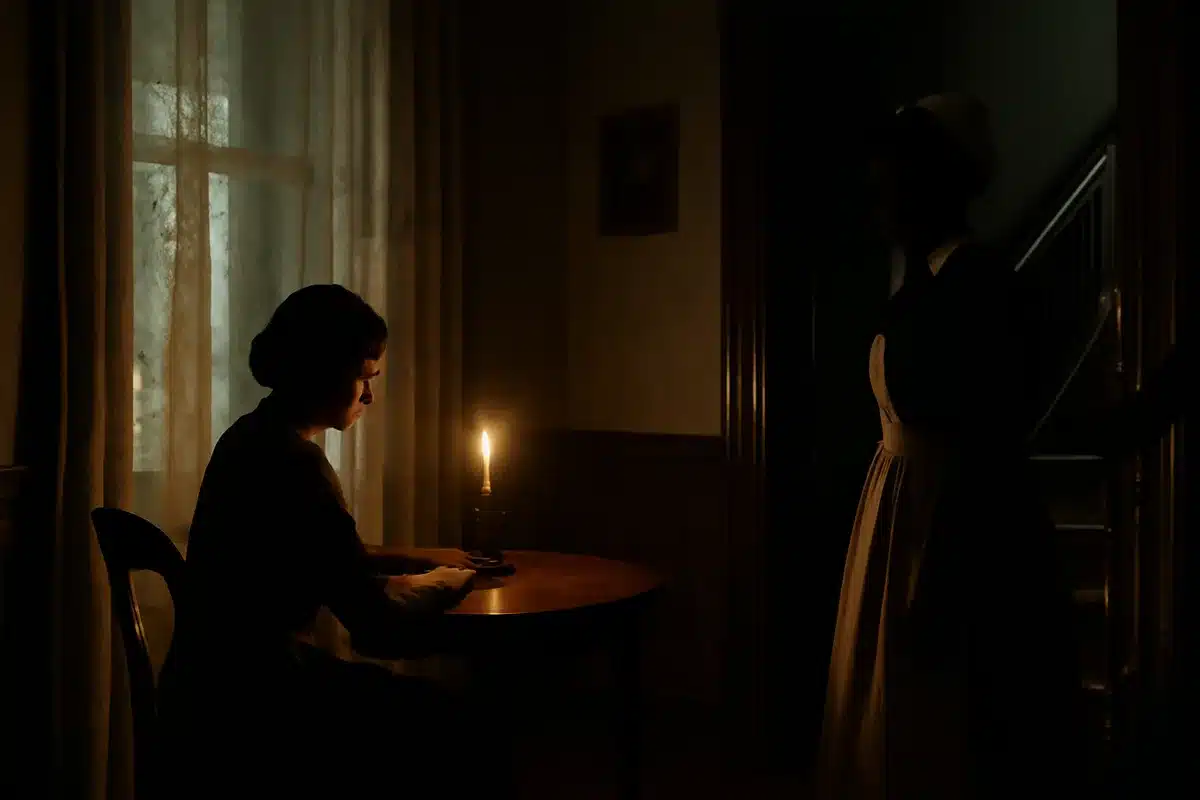
Netflix’s latest entry in the Monster anthology reimagines one of America’s most notorious crimes with theatrical flair. The series centers on Lizzie Borden and reframes a century-old mystery through gothic color, dark humor and relentless female perspectives. It’s a bold pivot for creators Ryan Murphy and Ian Brennan, and it asks viewers to reconsider who gets labeled a monster.
How this season reshapes the Monster franchise
This is the anthology’s fourth chapter and its first to foreground a woman at the center of the violence. Creators Ryan Murphy and Ian Brennan trade the familiar serial-killer template for a period piece set in 19th-century New England. The result feels both familiar and oddly fresh.
90s R&B: 3 artists who prove you have great taste
Drakeo the Ruler’s estate settles after fatal stabbing
- New territory: A Victorian-era tale with a female protagonist accused of murder.
- Anthology evolution: The show keeps the franchise’s signature stylization while changing the moral focus.
A concise view of the plot and mood
The story unfolds in Fall River, Massachusetts, months before the infamous August murders. Lizzie is a peculiar young woman who lives under the thumb of a severe stepmother and a distant father. A new servant arrives and cracks open Lizzie’s sheltered world.

Key beats in the opening episodes
- Domestic strain and social isolation push Lizzie into private rebellion.
- A close relationship with the maid expands her sense of possibility.
- Violence is staged with theatrical touches, blending whimsy and blood.
Cast highlights and performances to watch
The series leans heavily on strong acting to humanize its central figure and the people around her.
- Ella Beatty as Lizzie — a layered lead who balances fragility and menace.
- Vicky Krieps as Bridget — the new maid whose friendship catalyzes change.
- Rebecca Hall as Mrs. Borden — a controlling presence driving the household tension.
- Charlie Hunnam as Andrew Borden — a detached patriarch; the actor previously appeared in the series’ prior season.
- Billie Lourd as Emma Borden — Lizzie’s independent sister.
Visual style, themes and feminist undercurrents
The show uses color, music and stage-like staging to create a feeling that is part gothic fable, part dark comedy. There is attention to the era’s gender expectations. The series also foregrounds bodily experience and social shame.
- Gothic camp: A lush aesthetic that leans into theatricality.
- Social critique: The script examines how women were controlled by family and society.
- Character agency: Lizzie is portrayed as someone driven to drastic acts after repeated abuse.
How historical fact and fiction are mixed
The narrative does not pretend to be a documentary. It changes and embellishes events for dramatic effect. Viewers should expect creative liberties around motive and sequence.
The show bends the true story to explore psychological and cultural questions. That choice heightens drama but complicates the historical record.
Crossovers, cameos and the anthology’s recurring gambit
Murphy and Brennan have a habit of mixing characters and killers across their entries. This season continues that pattern in surprising ways.
- Trailers hint at a cameo by Sarah Paulson as Aileen Wuornos, a twentieth-century figure.
- The series weaves in the lore of Countess Elizabeth Báthory to underline themes about beauty and violence.
- Previous seasons also mixed real killers, which sometimes produced awkward narrative links.
Those creative crossovers can add depth but may feel jarring when timelines collide.
Early impressions and open questions
Having screened two episodes, the show’s energy and cast are compelling. But the anthology’s habit of folding in unrelated real-life killers raises questions.
- Will later episodes maintain the period tone or pivot to modern true-crime dramatics?
- How far will the series push historical invention for thematic payoff?
- Can the playful tone coexist with the gravity of the murders?
Where to stream and episode format
The season spans eight episodes and is available to stream on Netflix.