
Show summary Hide summary
- Big idea, familiar beats: the premise that sells the show
- How the story begins: crash, chaos and a federal tug-of-war
- Why momentum falters: pacing and plot choices
- Visuals and set pieces: ambition meets uneven execution
- Characters on paper, empty on screen: casting versus writing
- Notable supporting work and missed cultural depth
- Mythology overload: a tangle of MacGuffins
- Comparisons that shape expectations
- What works in flashes: pilot and finale highlights
- Where trimming would help: editorial fixes that matter
- Audience takeaways: who might enjoy it
- Episodes to sample before committing
- Final note on future promise
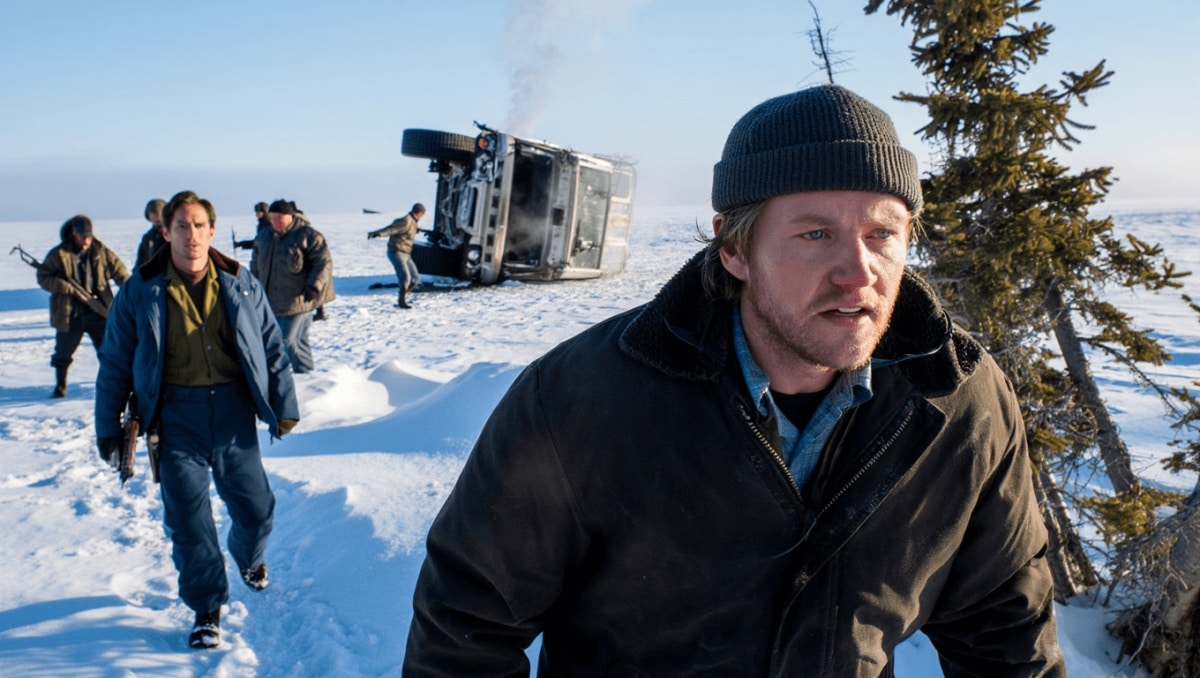
When a prisoner transport goes down in icy backcountry, a handful of survivors scatter into the wilderness. Apple TV+’s The Last Frontier opens on that violent premise, promising manhunts, conspiracies and a rugged hunt across snow and spruce. The pilot flirts with adrenaline. The season that follows rarely sustains it.
Big idea, familiar beats: the premise that sells the show
The Last Frontier arrives with a simple high-concept hook: inmates escape a crashed plane in remote territory while a high-value detainee draws national attention. That setup reads like a mashup of action-thriller and serialized mystery.
Nas slams music industry over disrespect: teases new music, vows to address it
1992 vocal performances: 3 jaw-dropping moments that still amaze
- Genre: Serialized procedural thriller.
- Setting: Supposedly Alaska, though much was shot elsewhere.
- Creators: Jon Bokenkamp and Richard D’Ovidio.
How the story begins: crash, chaos and a federal tug-of-war
The series starts with a violent crash and the camera quickly introduces law enforcement and intelligence interests. A U.S. marshal becomes the local lead. A CIA agent arrives with orders and a personal connection to the key prisoner.
The tension comes from two fronts: finding the escaped convicts and unraveling why one inmate matters so much. The show leans heavily on that mystery to push the plot forward.
Why momentum falters: pacing and plot choices
Where The Last Frontier should feel lean and urgent, it often lingers. Scenes stretch beyond their dramatic mileage. Subplots about family and backstory slow the forward motion.
- Episode length stays near an hour. The material would breathe at 40 minutes.
- Flashbacks repeat emotional beats instead of deepening them.
- Several twists are signaled too early, reducing surprise.
The result: a show that feels padded rather than propulsive.
Visuals and set pieces: ambition meets uneven execution
The series tries to stage large stunts and landscape-driven action. Some set pieces land. Others reveal cheap CGI and awkward editing.
- Crash and vehicle stunts often look artificial.
- Moments like dog-sledding and horse riding hint at cinematic scope but are underused.
- Repeated stunt beats feel recycled, not escalating.
Because action becomes dependent on effects, weak visuals drag down the tension.
Characters on paper, empty on screen: casting versus writing
Strong names populate the credits, yet many performances are constrained by thin material.
- Jason Clarke plays the U.S. marshal with a secret. He is steady but often muted.
- Haley Bennett is the CIA agent carrying emotional baggage and a drinking problem framed as shorthand for trauma.
- Guest players and familiar faces pop up as escaped inmates, but their arcs rarely deliver payoff.
Some roles feel underwritten. When an actor with gravitas is given sparse motivation, momentum stalls.
Notable supporting work and missed cultural depth
Dallas Goldtooth appears as a fellow marshal and a creative voice on the show’s production side. His role, however, cycles between surface-level wisdom and perfunctory beats.
- The series touches Native and local communities but does not explore them with nuance.
- Key supporting characters could have offered texture. Instead, they act as plot markers.
Mythology overload: a tangle of MacGuffins
As the season progresses, the writers layer on covert programs and mysterious labels. Names like Archive Six and XenoGate pile up. The effect is confusion more than intrigue.
When shadow programs are introduced without clear rules, audience investment slips. Motivation for the central antagonist remains unclear for long stretches.
Comparisons that shape expectations
Viewers will spot echoes of other shows. The format recalls serialized procedurals where an enigmatic villain propels episodic captures.
- Expect parallels to long-running manhunt and spy dramas.
- The series borrows pacing and structural beats common to broadcast thrillers.
What works in flashes: pilot and finale highlights
The pilot packs enough exposition and a convincing twist to hook. The finale ramps up stakes and sets up a follow-up season. Those two episodes show what the series could be when it trusts its premise and pushes creativity.
- Pilot: effective world-building and initial energy.
- Finale: a tighter sequence with tangible stakes and narrative movement.
Where trimming would help: editorial fixes that matter
Several editorial adjustments could sharpen the series.
- Cut or compress repetitive emotional flashbacks.
- Limit procedural detours that do not advance central mysteries.
- Prioritize practical stunts over effects-dependent action.
Focus and concision would turn scattered moments into sustained suspense.
Audience takeaways: who might enjoy it
If you like slow-burn conspiracies and serialized manhunts, there are sparks here. Fans of long-form procedural mysteries may find the premise rewarding enough to continue.
- Watch if you want a character-driven conspiracy with big-name actors.
- Skip if you need taut pacing and reliable action effects.
Episodes to sample before committing
Try the pilot and the finale first. They best showcase the show’s potential. Middle episodes vary in quality and may feel repetitive.
These two episodes also reveal whether the central mysteries engage you enough to endure the slower stretches.
Final note on future promise
The Last Frontier contains ingredients of a satisfying thriller. It simply seldom mixes them in the right proportions. With tighter editing and clearer stakes, the series could feel much more urgent.










