Show summary Hide summary
Mariska Hargitay surprised many by turning the 78th Emmy Awards into a lively celebration of television. Her performance as host balanced showmanship with genuine fandom, and the ceremony moved briskly while still making room for memorable moments.
How Hargitay’s presence reshaped the ceremony
Mariska Hargitay arrived with a mix of star power and sincere affection for TV. Her background on Law & Order: Special Victims Unit and her Broadway and film work gave her credibility. She did not adopt a stern or ironic tone. Instead, she leaned into spectacle and warmth. The result was an evening that felt both affectionate and professional.
Hargitay avoided the sarcasm some past hosts favored. She treated speeches and tributes with obvious care. Her hosting choices showed trust in the audience and the nominees. That attitude made the telecast feel less like a barrage of jokes and more like a tribute.
Nas slams music industry over disrespect: teases new music, vows to address it
1992 vocal performances: 3 jaw-dropping moments that still amaze
Sketches, cameos and stagecraft that stood out
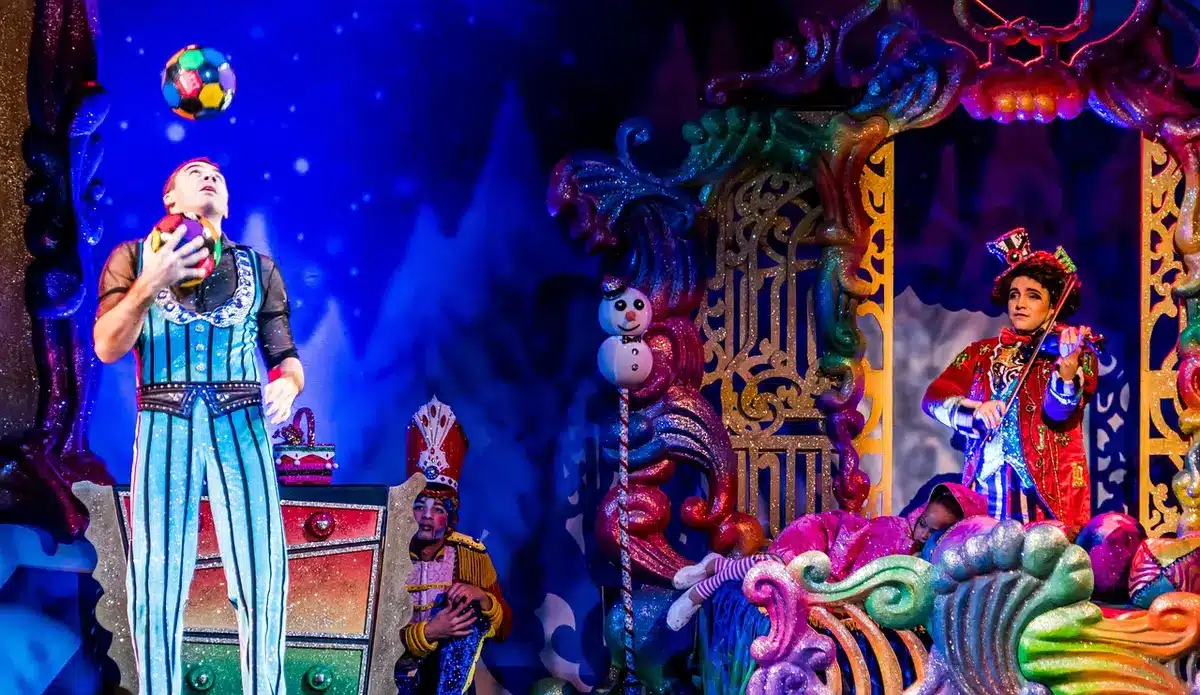
Her show included a range of theatrical set pieces and celebrity appearances. Highlights included:
- A satire that nodded to a well-known Nicole Kidman commercial, played with a wink.
- Multiple outfit changes that recalled a concert run of looks.
- A pre-taped Taylor Swift cameo that aimed for laughs and admiration.
Hargitay also dove into musical segments. One was a playful take on a classic rock tune turned into a farewell-to-series number. Some bits felt longer than necessary. Others, like a Dolly Parton tribute led by Reba McEntire, landed with warmth and respect. These moments gave the broadcast texture beyond simple award presentations.
Timing and format: the effect of moving awards earlier
Producers continued a strategy of shifting several categories to the earlier Creative Arts ceremony. That included some supporting-actor prizes in limited series. The move had critics. Past attempts by other award shows to relegate categories were reversed after backlash.
But on this night the decision helped the main telecast. The show ran smoothly and finished slightly under time. Presenters and winners from the earlier program still appeared onstage when appropriate. For example, winners of supporting roles were invited to present and participate in the main show.
Winners, surprises and speeches that lingered
The evening mixed expected victories with pleasant shocks. Notable outcomes and moments:
- Widow’s Bay dominated, lifting its lead actor to multiple wins and proving the series’ cross-category appeal.
- Matthew Rhys scored dual recognition for his work in a Netflix series and an Apple TV breakout.
- Katie Dippold, creator of a surprise hit, delivered a playful acceptance and proudly displayed her trophy.
- Drama honors were more dispersed, with wins for Allison Janney, Tom Pelphrey and Saul Metzstein.
Not every upset pleased everyone. Some choices, such as a veteran actor edging past a younger performance many found haunting, caused debate among viewers and critics. Still, the ceremony allowed a wider array of shows and talents to be celebrated onstage.
The ceremony’s tone and what it means for future hosts
One lesson was clear: the pool of traditional talk-show hosts is changing. Networks once relied on late-night figures to anchor awards. With fewer long-running talk shows in place, producers are seeking different faces from TV itself. Familiar performers with stage experience now fill that role.
Hargitay exemplified that model. She combined industry stature with the ability to carry sketches and musical bits. Her stewardship suggested producers may favor skilled television actors over stand-up or late-night anchors going forward.