
Show summary Hide summary
- Why this season feels tuned to current politics
- Power shift in the West Wing and its ripple effects
- Marriage as battlefield: Kate and Hal under the microscope
- New settings and cast moves that refresh the series
- Performances that anchor the politics
- Strengths: intimacy, pacing and tonal balance
- Limitations: surface-level international drama and selective realism
- Who will be most engaged by Season 3
- Open questions the season raises
Season 3 of The Diplomat arrives on Netflix with fresh jolts to its central marriage and a presidential shake-up that reshuffles the cast and the stakes. The show leans into glamour, protocol and intimate power plays, asking whether diplomacy is ever truly separate from personal ambition.
Why this season feels tuned to current politics
Landing after a contentious election cycle, the drama reads now as a deliberate escape. It favors ceremony and procedure over messy, real-world policymaking. That choice makes the series feel like a polished alternate universe, where optics and tradition often trump messy domestic concerns.
Nas slams music industry over disrespect: teases new music, vows to address it
1992 vocal performances: 3 jaw-dropping moments that still amaze
- Scenes focused on ceremony and optics dominate early episodes.
- The series keeps international crises at arm’s length.
- This makes it feel comforting to viewers seeking order, but thin for those wanting gritty geopolitics.
Power shift in the West Wing and its ripple effects
A sudden change of leadership sends shock waves through the administration. The new president’s promotion opens familiar doors — and unexpected ones — for the main players.
Most consequentially, a coveted role is handed to the wrong person. That decision destabilizes a marriage already built on competing ambitions. The result: the show finds renewed dramatic life in a rearranged hierarchy.
Marriage as battlefield: Kate and Hal under the microscope
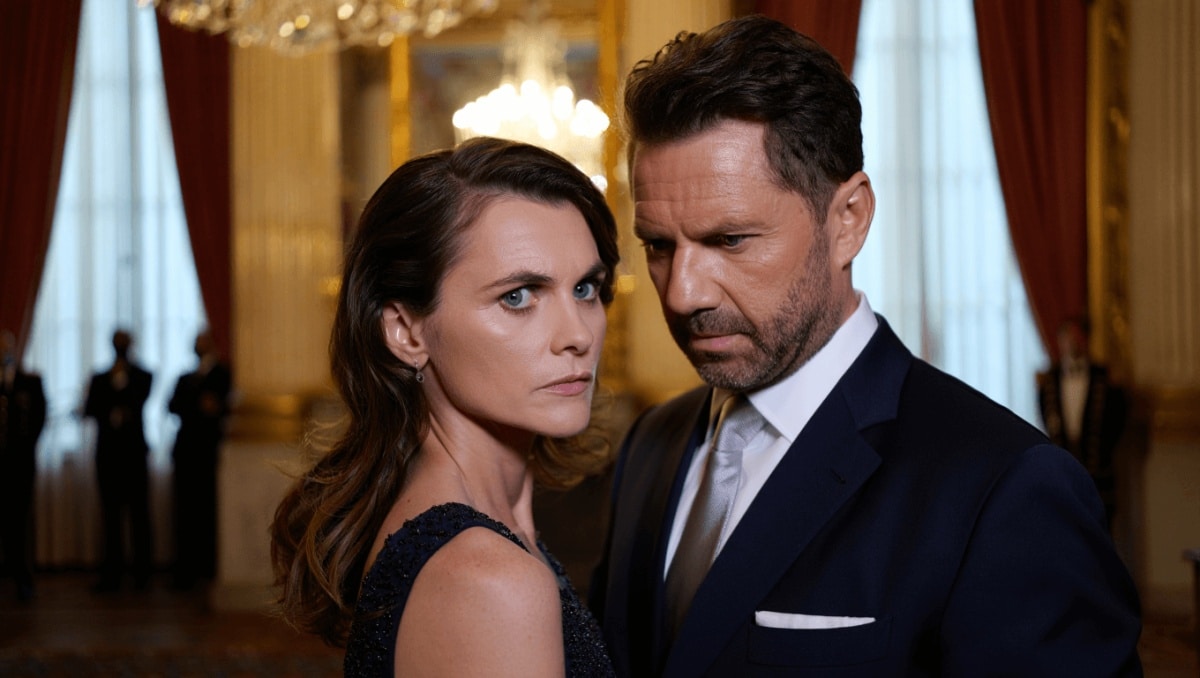
The series has always been as much about romance as it is about statecraft. This season it reconnects with that core, treating the couple’s private power struggle as its engine.
- Keri Russell’s Kate is fiercely competent and quietly wounded.
- Rufus Sewell’s Hal mixes charisma with a streak of self-interest.
- Their alternating victories and compromises power the narrative.
One standout episode rewinds to the pair’s early days. It lays bare why they fell for each other and how those dynamics haunt their present choices. The intimacy of those flashbacks brings emotional clarity to their current stalemate.
New settings and cast moves that refresh the series
The show expands beyond London, adding scenes set in Washington and the Hamptons. These locations allow for sharper confrontations and physical closeness between characters who previously traded messages across screens.
- Nana Mensah moves from remote cameo to full ensemble presence.
- Bradley Whitford’s role as the president’s spouse gives the Wylers a mirror.
- Short, high-tension sequences deliver a tonal shift that feels energized and modern.
Performances that anchor the politics
The cast carries the series through tonal shifts. Subtle silences and small gestures often say more than speeches do.
- Keri Russell sells the internal cost of compromise with micro-expression and restraint.
- Rufus Sewell balances magnetism with petulance, making his choices believable.
- Allison Janney brings sharp, institutional savvy to the Oval Office scenes.
Strengths: intimacy, pacing and tonal balance
The season tightens its narrative and offers brisk pacing. Shorter arcs help maintain momentum and let character moments breathe.
- Tighter episode structure keeps the plot moving.
- Personal stakes are foregrounded, boosting emotional payoff.
- Production design and ceremonial beats heighten the show’s glossy appeal.
Limitations: surface-level international drama and selective realism
The series privileges form over substantive foreign-policy debate. Its affection for institutional rituals sometimes sidelines larger geopolitical complexity. Casual nods to recent diplomatic events can jar when real-world consequences feel glossed over.
If you want deep dives into global power plays, this season may frustrate. The show prefers intimate tension over policy wonkery.
Who will be most engaged by Season 3
- Viewers drawn to character-focused political drama.
- Fans of relationship-focused storytelling within high-stakes settings.
- Anyone who appreciates tight pacing and polished production values.
Open questions the season raises
As new roles and alliances settle, several threads remain unresolved. Will personal compromise cost professional credibility? Can ambition and partnership coexist at the highest levels?
The answers lie in the evolving balance between public duty and private desire.










