
Show summary Hide summary
- How one awkward moment becomes a runaway story
- Tim Robinson’s comic blueprint reshaped for longer form
- Characters who mirror modern fragile pride
- Worldbuilding: familiar people behaving strangely
- Conspiracy as device, not destination
- Performance highlights: small players, big impressions
- Why the show will split viewers
- Visual and tonal direction that keeps you off balance
- Moments that land and moments that teeter
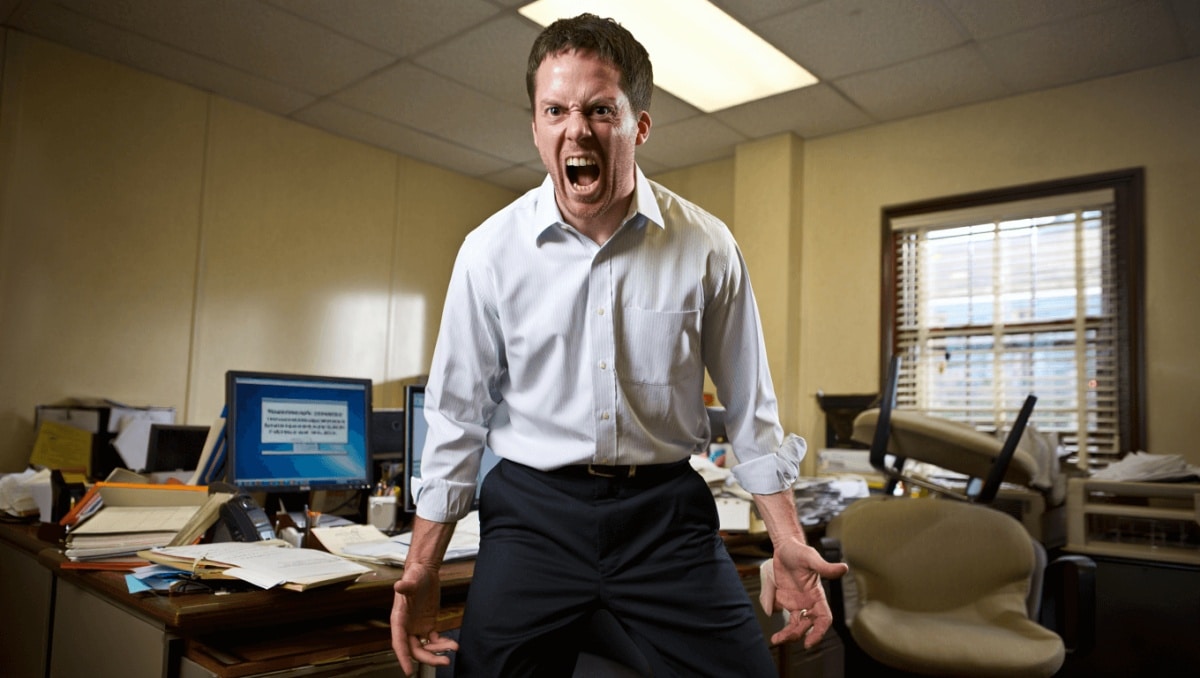
Tim Robinson returns with a strange, tension-tinged comedy on HBO that turns a tiny workplace embarrassment into a full-scale obsession. The Chair Company follows a man whose refusal to back down spirals into a bewildering conspiracy chase. Expect cringe, oddball humor, and moments that make you squirm as much as they make you laugh.
How one awkward moment becomes a runaway story
The series opens with an everyday mishap that could happen to anyone. Instead of letting it go, the protagonist magnifies the incident until it becomes the center of his universe. That escalation drives every episode.
Nas slams music industry over disrespect: teases new music, vows to address it
1992 vocal performances: 3 jaw-dropping moments that still amaze
- Small trigger, enormous fallout: A minor humiliation kicks off the plot.
- Obsessive unpacking: The lead turns private embarrassment into public crusade.
- Reality blurs: The character chases patterns and signs where others see none.
Tim Robinson’s comic blueprint reshaped for longer form
Robinson’s trademark is insistence — characters who refuse to concede a simple mistake. On this show, that impulse expands beyond a sketch into an eight-episode narrative. The result keeps the original brand of awkwardness while adding suspense and serialized stakes.
Directed by Andrew DeYoung and co-created by Zach Kanin, the tone mixes discomfort with curiosity. Scenes often land on the edge of absurdity, with performances that lean into exaggerated mannerisms and unusual vocal ticks.
Characters who mirror modern fragile pride
The lead, William Ronald Trosper — usually called Ron — is a middle-aged, middle-class man whose fragile ego fuels the story. He refuses to accept embarrassment and instead crafts an elaborate story in which he is both victim and hero.
Key cast and their roles
- Lake Bell plays Barb, Ron’s patient but strained wife.
- Will Price is Seth, the son caught between loyalty and disbelief.
- Sophia Lillis portrays Natalie, the daughter who watches the family unravel.
- Lou Diamond Phillips turns up as Jeff, a polished CEO who masks insecurity.
Worldbuilding: familiar people behaving strangely
The show populates a near-familiar world that feels slightly off. Ordinary settings become arenas for awkward rituals and odd habits:
- Self-improvement classes that produce forced charisma.
- An acting coach lodged in a student’s spare room.
- A henchman who takes pleasure in bizarre radio arguments.
Those choices create a tone where everyone seems like an imitation of a person. That amplifies the discomfort and the comedy.
Conspiracy as device, not destination
At first, the mystery seems too thin to merit Ron’s obsession. But the show treats the conspiracy as dramatic scaffolding. It doesn’t matter if every clue adds up cleanly. What matters is how the search pushes Ron into escalating and often humiliating confrontations.
Threats range from mundane frustrations to sudden menace:
- Long customer-service waits and baffling bureaucracy.
- Strange coincidences that feel meaningful to the desperate.
- Encounters with rougher, more dangerous people.
Performance highlights: small players, big impressions
The series leans on character actors who inject odd rhythms into dialogue. Their choices — a crooked smile, a bizarre emphasis, a nasal delivery — turn ordinary exchanges into memorable beats. Those moments lift scenes from merely funny to deeply unsettling.
- Physical quirks: Little gestures that become comic signatures.
- Vocal oddities: Pronunciations and cadences that linger.
- Unexpected empathy: A supporting turn that reframes a scene.
Why the show will split viewers
The Chair Company is designed to provoke. Its humor is specific, and its discomfort is deliberate. Fans of Robinson’s earlier work will find its tone familiar and addictive. Others may find the pacing and awkwardness impenetrable.
Those who respond to the show often do so because it reflects a messy part of the human psyche: the urge to rewrite small humiliations into grand narratives. In watching Ron, viewers confront the intrusive, lingering thoughts they try to ignore.
Visual and tonal direction that keeps you off balance
Andrew DeYoung’s direction gives scenes a tight, often claustrophobic energy. Cutaways, lingering close-ups, and abrupt tonal shifts keep the audience uneasy. That visual language amplifies the script’s premise.
Production choices — from casting to sound design — frequently push the series toward a surreal register. The result is less a neat thriller and more a pressure cooker of social unease and comic pain.
Moments that land and moments that teeter
The show alternates rapid-fire embarrassments with slow, unnerving stretches. When it hits, awkwardness becomes cathartic. When it misses, scenes can feel self-indulgent. But the risk-taking is central to the show’s identity.
- Successful beats hinge on precise acting and timing.
- Less successful moments expose the limits of stretching a sketch voice into a series.
- Overall, the tone rewards patience and attention to detail.










