
Show summary Hide summary
- What the show is selling: a workplace comedy with a public-service twist
- Characters who define the East Hollywood branch
- Tim Meadows raises the show’s comic temperature
- Storylines that work — and those that don’t
- The show’s tone and comic DNA
- Behind the scenes: source material and creative choices
- How the cast interacts — chemistry and friction
- Key episodes and memorable moments
- Where the series might improve as it settles in
- What viewers can expect in coming episodes
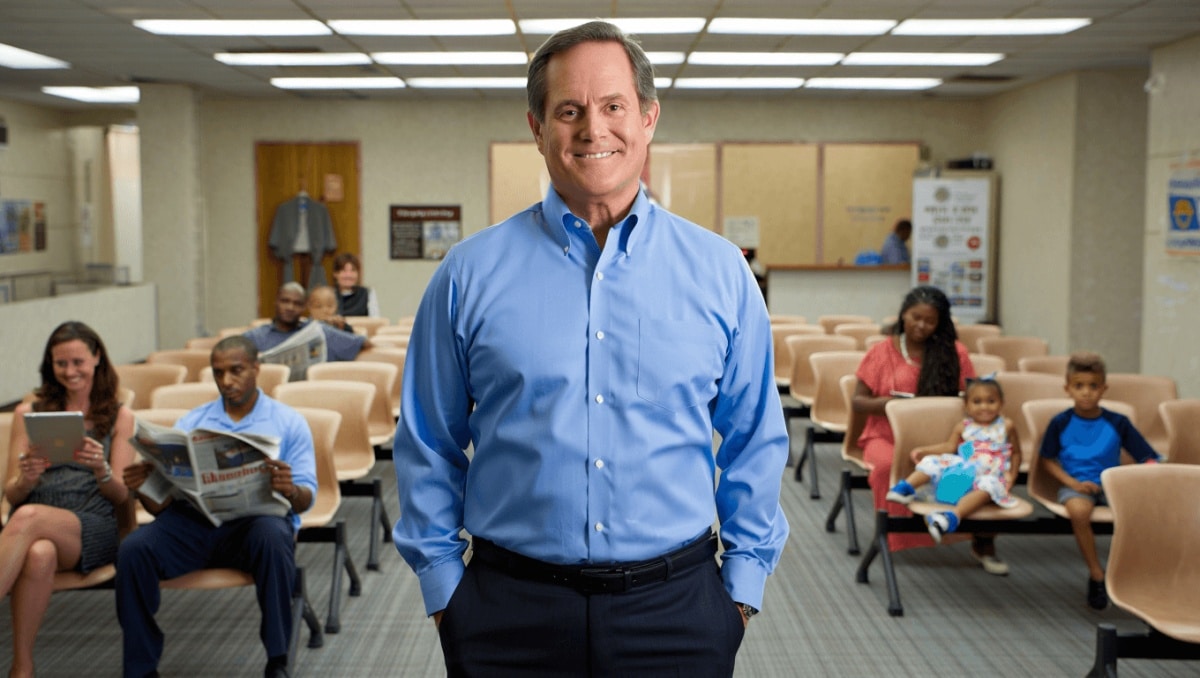
DMV, the new single-camera sitcom from CBS, drops viewers into the cramped corridors of an overburdened East Hollywood branch. The show centers on driving examiners whose days blur into a loop of small humiliations and quiet absurdities. With Harriet Dyer in the lead and Tim Meadows stealing many of the best moments, the series mixes workplace misery with offbeat comic touches.
What the show is selling: a workplace comedy with a public-service twist
DMV trades on a familiar comic premise: people trapped within a system that grinds gently and often. The setting is specific — a municipal Department of Motor Vehicles office — and the scripts mine that environment for its petty rules, awkward encounters and bureaucratic rituals.
Nas slams music industry over disrespect: teases new music, vows to address it
1992 vocal performances: 3 jaw-dropping moments that still amaze
The series leans into that feeling of being stuck in a job that lingers beyond its “temporary” label. It uses everyday details to make the workplace feel lived-in, and it often finds humor in the small rebellions employees enact to keep their sanity.
Characters who define the East Hollywood branch
The ensemble mixes cynicism with the occasional genuine warmth. Each cast member brings a different rhythm to the workplace.
- Colette (Harriet Dyer) — a driving examiner who decides she needs change after a rough day. She’s eager for more from life, but life at the DMV keeps pulling her back.
- Gregg (Tim Meadows) — the show’s funniest engine. Gregg is world-weary and sardonic, someone who treats small acts of slacking as tactical resistance.
- Noa (Alex Tarrant) — a bright, new hire who becomes the subject of Colette’s romantic hopes and Gregg’s lessons in survival.
- Vic (Tony Cavalero) — a brash, physically comedic presence. He adds a different brand of energy to the examiner trio.
- Barb (Molly Kearney) — the branch manager whose upbeat incompetence borders on cartoonish.
- Ceci (Gigi Zumbado) — the office photographer, cool and sardonic but underused so far.
Tim Meadows raises the show’s comic temperature
Meadows gives Gregg a specific, bitter clarity. He delivers the best reaction beats and owns much of the show’s quiet satire.
Gregg’s philosophy turns petty habits into protest: longer breaks, indirect routes to the printer and staged distractions all read like survival tactics. Those scenes consistently land.
Storylines that work — and those that don’t
DMV alternates between sharp observations and broader physical comedy. Some ideas land cleanly; others feel like random escalations.
- Strong beats: the everyday rituals and workplace lore that feel authentic. Moments such as the crew’s unofficial rites and the idea of a pivotal “washout” day for new hires ring true.
- Weaker beats: gags that push into absurdity without clear payoff. At times, an awkward mishap is stretched into embarrassment rather than clever comedy.
The show’s tone and comic DNA
DMV does not choose one tone and stick to it. The series drifts between grounded, character-driven scenes and broad, sitcom-style set pieces. That unevenness is visible in both script and staging.
There are echoes of other workplace comedies. The show favors the large-cast, situational approach seen in some recent hits, yet it also allows for quieter, observational humor.
Comedy style
- Character-based irony: slow-burning laughs from people stuck in routines.
- Physical gags: a few scenes hinge on pratfalls and awkward physicality.
- Broad customer montages: recurring sequences where the waiting room becomes chaos.
Behind the scenes: source material and creative choices
DMV adapts a short story by Katherine Heiny. The series preserves the original’s curiosity about specific workplace details. Those small elements become shorthand for how the staff navigates daily friction.
Writer-producer Dana Klein expands those moments into an episodic framework. She concentrates on micro-rituals and office mythologies to create a shared sense of history among the characters.
How the cast interacts — chemistry and friction
The trio of driving examiners feels like real co-workers who have weathered long shifts together. That familiarity translates into believable back-and-forth.
Elsewhere, dynamics are uneven. The branch manager’s cartoon energy can undercut subtler scenes. Some supporting characters are mostly reactions, not full people yet.
Key episodes and memorable moments
The pilot and early episodes set the tone by pairing small ambitions with immediate, comic setbacks.
- A hopeful attempt at dating derailed by workplace embarrassment.
- A rookie reaching a critical third-week milestone during a heat wave.
- Gregg teaching new hires the art of “strategic” loafing.
These beats reveal both the show’s strengths and its willingness to embrace cringe humor.
Where the series might improve as it settles in
DMV shows potential once it commits to particular tonal choices. If scripts allow the ensemble to deepen, the quieter workplace observations could outweigh the occasional overblown gag.
Areas to watch:
- Develop underwritten characters, giving them stakes beyond punchlines.
- Tighten the balance between high-energy slapstick and quieter satire.
- Let relationships evolve naturally rather than forcing comic payoffs.
What viewers can expect in coming episodes
Future installments will likely expand on the branch’s internal lore. Expect more of the small rituals, customer disasters and awkward office alliances that make municipal workplaces oddly compelling on screen.
The show’s best moments arrive when daily grind meets human instinct. If the writers stick with that mix, DMV could grow into a dependable sitcom voice.










