
Show summary Hide summary
- How a celebratory post turned into a cry for help
- What she told the president — paraphrased
- Reddit and social commentators respond
- Tariffs, supply chains, and why prices rose at dollar stores
- Why critics say this moment mattered politically
- Voices claiming hypocrisy, and those urging empathy
- What this could mean for future elections and reporting
- Where readers can get more regular analysis on the economy
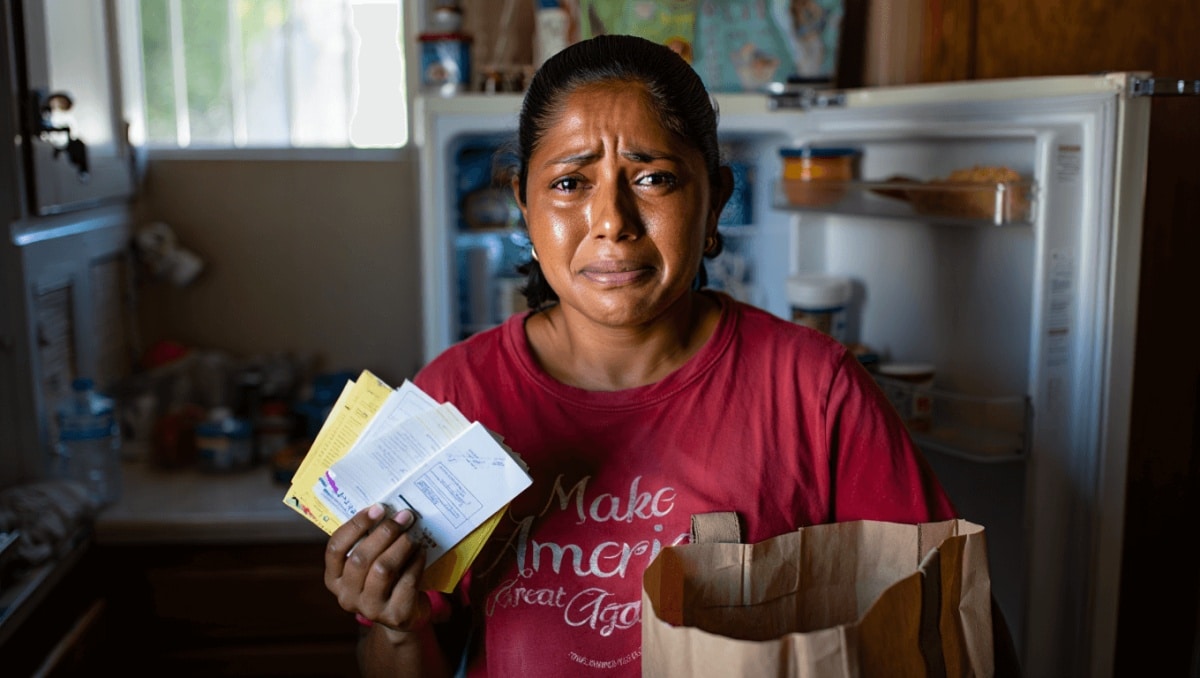
A Michigan senior who once celebrated Donald Trump’s return to the White House is now publicly pleading for relief as grocery bills climb. Her social posts, which shift from triumph to desperation, have become a flashpoint online. People are debating whether this is a wake-up call about policy or simply another moment of political theater.
How a celebratory post turned into a cry for help
Weeks after inauguration fervor, a brief clip of moving trucks at the White House sparked cheers from some supporters. One follower framed it as symbolic of a political victory. Within weeks, that tone had changed.
Nas slams music industry over disrespect: teases new music, vows to address it
1992 vocal performances: 3 jaw-dropping moments that still amaze
The same account that once ridiculed the previous administration began tagging the president with requests for help. The messages moved from victory lap to direct appeals for cash assistance and lower grocery prices. She said rising costs were squeezing seniors and asked the president to intervene.
What she told the president — paraphrased
- She appealed directly to the president, saying seniors need help buying food.
- She blamed tariffs and suspected price gouging for higher costs at discount stores.
- She warned that this experience might change her vote in the next election.
The shift from celebration to desperation illustrates how policy outcomes can materialize quickly for everyday households.
Reddit and social commentators respond
The thread sparked a torrent of reactions. Many users mocked the idea that personal pleas would sway a leader they see as indifferent. Others highlighted what they view as political naivety.
- A commenter joked that thinking about a choice once would be progress.
- Another observed how supporters often speak to leaders like close friends, despite never meeting them.
- Some called for transparency on other high-profile scandals, arguing accountability matters more than personal pleas.
- Several critics pointed out that the party she voted for historically favors different policy priorities than food-assistance programs.
Online sentiment largely framed the posts as a culture clash — between loyalty and the real effects of economic policy.
Tariffs, supply chains, and why prices rose at dollar stores
How trade policy can affect shelf prices
Many discount retailers source a large share of goods from overseas. When import tariffs increase, wholesalers face higher costs. Retailers often pass some of that increase to consumers.
- Tariffs on imports can push up costs of low-margin goods.
- Retailers may also raise prices to protect profits.
- Supply chain disruptions add another layer of cost pressure.
Experts warn that inflationary effects are complex and not always caused by a single policy action.
Why critics say this moment mattered politically
For commentators, the episode is a teaching moment about expectations and policy trade-offs. Voting patterns are not immune to lived experience. When a voter says they might switch allegiances because of price hikes, analysts pay attention.
- Senior voters are a pivotal demographic in many states.
- Out-of-pocket costs for food and medicine drive voting behavior.
- Public pleas to leaders can backfire when those leaders are seen as distant from daily struggles.
Voices claiming hypocrisy, and those urging empathy
Responses fell into two broad camps. One side ridiculed the voter for being surprised that policy choices have consequences. The other urged compassion, noting that seniors on fixed incomes face hard choices.
- Some users argued it was predictable that tariffs would hit low-cost retailers hard.
- Others emphasized that pleading for help is a human response, regardless of past political words.
- Several pointed out the need for clearer communication from policymakers about who benefits and who bears the costs.
The debate mixes policy analysis with moral judgment and taps into broader frustrations about political accountability.
What this could mean for future elections and reporting
Stories like this often get amplified because they connect policy to a human face. Journalists and campaign strategists alike watch for these moments. They can shift narratives and influence undecided voters.
- Local price shocks can shape national political messaging.
- Public pleas on social platforms are now part of political discourse.
- Campaigns may respond by adjusting outreach to affected demographics.
Where readers can get more regular analysis on the economy
If you want updates on how economic policy affects everyday life, many outlets publish monthly briefings and newsletters that track inflation, prices, and consumer impact.
Follow specialized economic coverage to see how decisions at the top filter down to grocery aisles and senior households.










