
Show summary Hide summary
- What happened that night in Las Vegas
- Why the case still haunts the industry
- How the event reshaped hip-hop culture
- Albums, posthumous releases, and commercial impact
- Remembering the man behind the legend
- Renewed attention in media and investigations
- How artists and fans keep the memory alive
- What his death meant for public safety in music
- Enduring debates: violence, fame and art
Thirty years after the bullets that changed a culture, the music world still pauses to reckon with a violent night in Las Vegas and the loss of a towering voice in hip-hop. Fans, artists and historians revisit the events and the aftermath of a drive-by shooting that left the genre grappling with fame, violence and unanswered questions.
What happened that night in Las Vegas
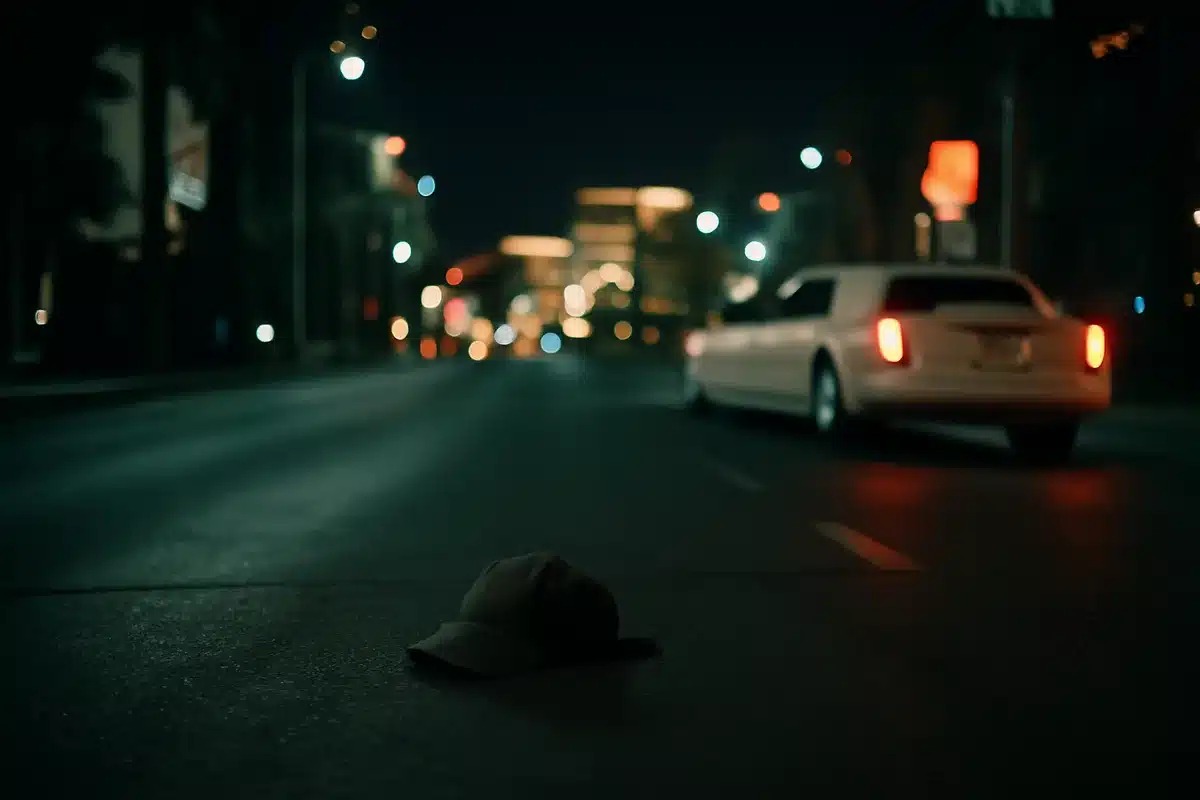
On the evening of September 7, 1996, a shooting near the Las Vegas Strip altered music history. Tupac Shakur was struck multiple times while riding in a car with Death Row Records executive Suge Knight. The attack took place after a boxing match at the MGM Grand.
Nas slams music industry over disrespect: teases new music, vows to address it
1992 vocal performances: 3 jaw-dropping moments that still amaze

- Initial shooting occurred at a traffic light on East Flamingo Road.
- Tupac was taken to University Medical Center of Southern Nevada.
- He survived for six days before passing away on September 13, 1996.
Why the case still haunts the industry
The investigation into the shooting never produced a definitive arrest or conviction. Over the years, multiple theories have emerged. Gang rivalries, record-label feuds and personal disputes have all been proposed as motives.
- Authorities examined numerous leads and suspects.
- No individual was charged with murder in federal or state court.
- Some witnesses changed statements or declined to cooperate.
The lack of a final legal resolution has fueled documentaries, books and public debate for decades.
How the event reshaped hip-hop culture
Tupac’s death shifted conversations inside hip-hop about fame, violence and responsibility. Artists responded with music that explored grief, anger and social critique. Record labels and promoters reassessed security and touring practices.
- Gangsta rap’s public image intensified scrutiny.
- Many artists used their platforms to call for peace.
- New generations discovered his lyrics and activism.
His influence reached beyond music — into film, poetry and political discourse among young artists.
Albums, posthumous releases, and commercial impact
Tupac left behind a prolific catalog and a trove of unreleased material. Major records were issued after his death, often topping charts and renewing public interest.
- Makaveli and other posthumous albums found international audiences.
- Compilations and remixes extended his commercial presence.
- Estate decisions sparked debate over artistic intent and legacy.
These releases kept his voice in rotation and introduced him to younger listeners.
Remembering the man behind the legend
Beyond music, Tupac was an actor, poet and outspoken commentator on inequality. Interviews and performances show a complex figure who balanced vulnerability with defiance.
- Films like Juice and Poetic Justice expanded his reach.
- Poems and liner notes reveal a thoughtful writer.
- Community work and interviews underscored his political awareness.
Fans celebrate both the art and the person, keeping stories alive about his life, ambitions and contradictions.
Renewed attention in media and investigations
Every few years new information or a documentary brings the case back into headlines. Investigative pieces examine old leads, eyewitness accounts and possible law enforcement shortcomings.
Public interest has pressured officials to revisit evidence. Still, concrete breakthroughs remain rare.
How artists and fans keep the memory alive
Tributes take many forms. Murals, annual vigils and tribute concerts mark the anniversary each year. Social media revives his lyrics and moments from live shows.
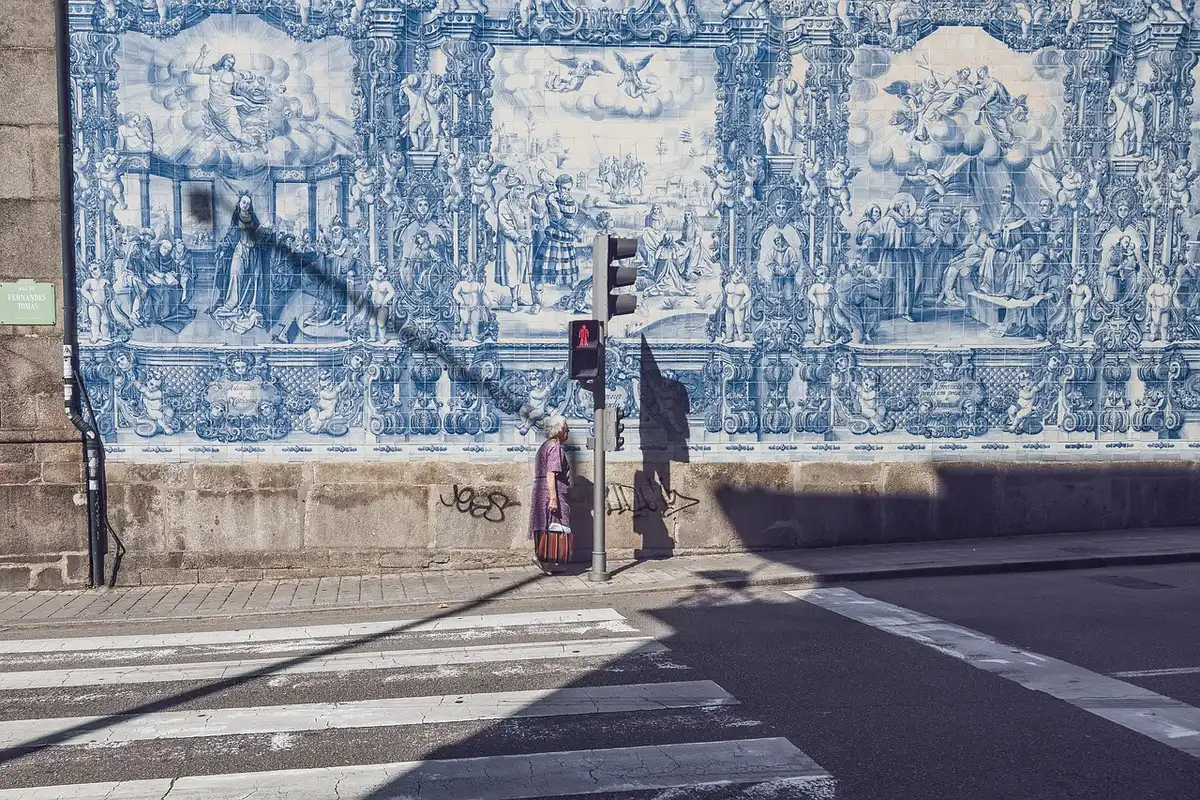
- Street art in cities worldwide honors his legacy.
- Podcasts and films dissect his work and the unsolved case.
- Musicians cite him as a central influence in interviews and songs.
Anniversary observances serve both as mourning and as reminders of the questions that persist.
What his death meant for public safety in music
The fatal shooting sparked changes in concert security and artist protection. Promoters and venues re-evaluated threat assessments. Tours began including more robust measures to shield performers.
- Increased coordination with local law enforcement.
- Higher-profile artists adopted stricter travel protocols.
- Security became a major line item for live events.
Enduring debates: violence, fame and art
Tupac’s passing continues to animate discussions about the relationship between celebrity and violence. Critics and supporters argue about responsibility, media coverage, and cultural context.
These debates shape how new artists navigate fame and how the public perceives the genre’s evolution.
Key facts to remember
- Name: Tupac Amaru Shakur
- Incident: Drive-by shooting in Las Vegas
- Date shot: September 7, 1996
- Date of death: September 13, 1996
- Status: Homicide remains officially unsolved










