

Show summary Hide summary
- Why witness silence matters for high-profile murder cases
- Legal tools prosecutors can use when witnesses won’t cooperate
- How witness refusals can reshape the prosecution’s strategy
- Defense teams and the advantage of stalled testimony
- Procedural timelines: how refusals can delay trial dates
- Public attention, media coverage, and jury selection challenges
- Historical context and the long shadow over the investigation
- What to watch next in the courtroom and beyond
The prospect that more witnesses will decline to testify in the case tied to Tupac Shakur's 1996 killing has raised fresh doubts about whether prosecutors can build a courtroom timeline. Courtroom maneuvers, witness silence and legal roadblocks now shape a trial calendar that could stretch for months or even years.
Why witness silence matters for high-profile murder cases
Nas slams music industry over disrespect: teases new music, vows to address it
1992 vocal performances: 3 jaw-dropping moments that still amaze
Trials hinge on live testimony. Witnesses provide the narrative prosecutors need to link evidence to alleged suspects. When key people invoke their rights, refuse to appear, or claim memory lapses, that testimony gap can cripple a prosecutor’s case.
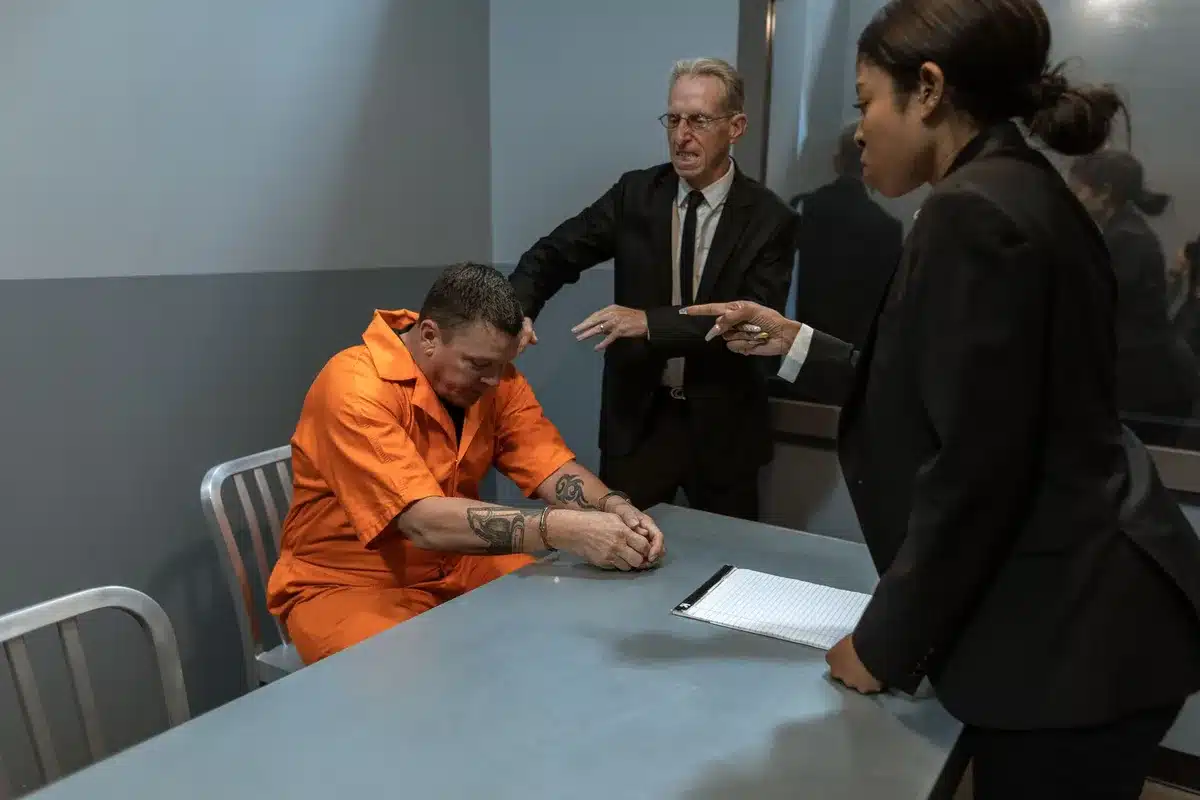
Refusal to testify can force prosecutors to rely on documentary evidence, hearsay exceptions, or plea-bargained witnesses. Each alternative brings legal hurdles and uncertain jury impact.
Legal tools prosecutors can use when witnesses won’t cooperate
Courtrooms offer mechanisms to try to compel testimony. But each option has limits and consequences.
- Subpoenas: A formal order to appear that can lead to contempt charges if ignored.
- Immunity agreements: Prosecutors can offer limited protection to flip reluctant witnesses.
- Use of recorded statements: Prior sworn statements may be introduced in narrow circumstances.
- Witness relocation and protection: Safety programs can encourage cooperation but are costly and complex.
Contempt, penalties, and practical limits
Courts can hold a witness in contempt or impose fines. Yet coercion can backfire. Juries may view forced testimony as unreliable, and prolonged detention raises constitutional issues.
How witness refusals can reshape the prosecution’s strategy
Prosecutors may shift tactics if certain witnesses remain silent. They might:
- Pursue alternate witnesses with overlapping testimony.
- Seek corroboration through physical evidence and expert analysis.
- Negotiate immunity or reduced charges for cooperative witnesses.
- Delay proceedings until legal obstacles clear, risking faded memories and lost leads.
Each change in strategy carries trade-offs in credibility and timing.
Defense teams and the advantage of stalled testimony
Defense attorneys benefit when witnesses are unavailable. Delay can erode witness memories and weaken the prosecution’s timeline. Defense counsel often push for dismissal or reduced charges when evidence is incomplete.
Common defense approaches include:
- Challenging the admissibility of prior statements.
- Questioning the chain of custody of physical evidence.
- Pointing to inconsistencies created by gaps in testimony.
Procedural timelines: how refusals can delay trial dates
When multiple witnesses resist testifying, courts may grant continuances. These delays create ripple effects through scheduling, witness availability, and investigative momentum.
Potential procedural outcomes include:
- Multiple pretrial hearings to resolve privilege or immunity disputes.
- Adjournments pending negotiated testimony or new evidence.
- Renewed grand jury activity to secure indictments based on different witnesses.
Public attention, media coverage, and jury selection challenges
Cases tied to cultural figures attract intense media scrutiny. That attention complicates voir dire and juror impartiality. Judges may limit media access or move the trial to a different venue to protect fairness.
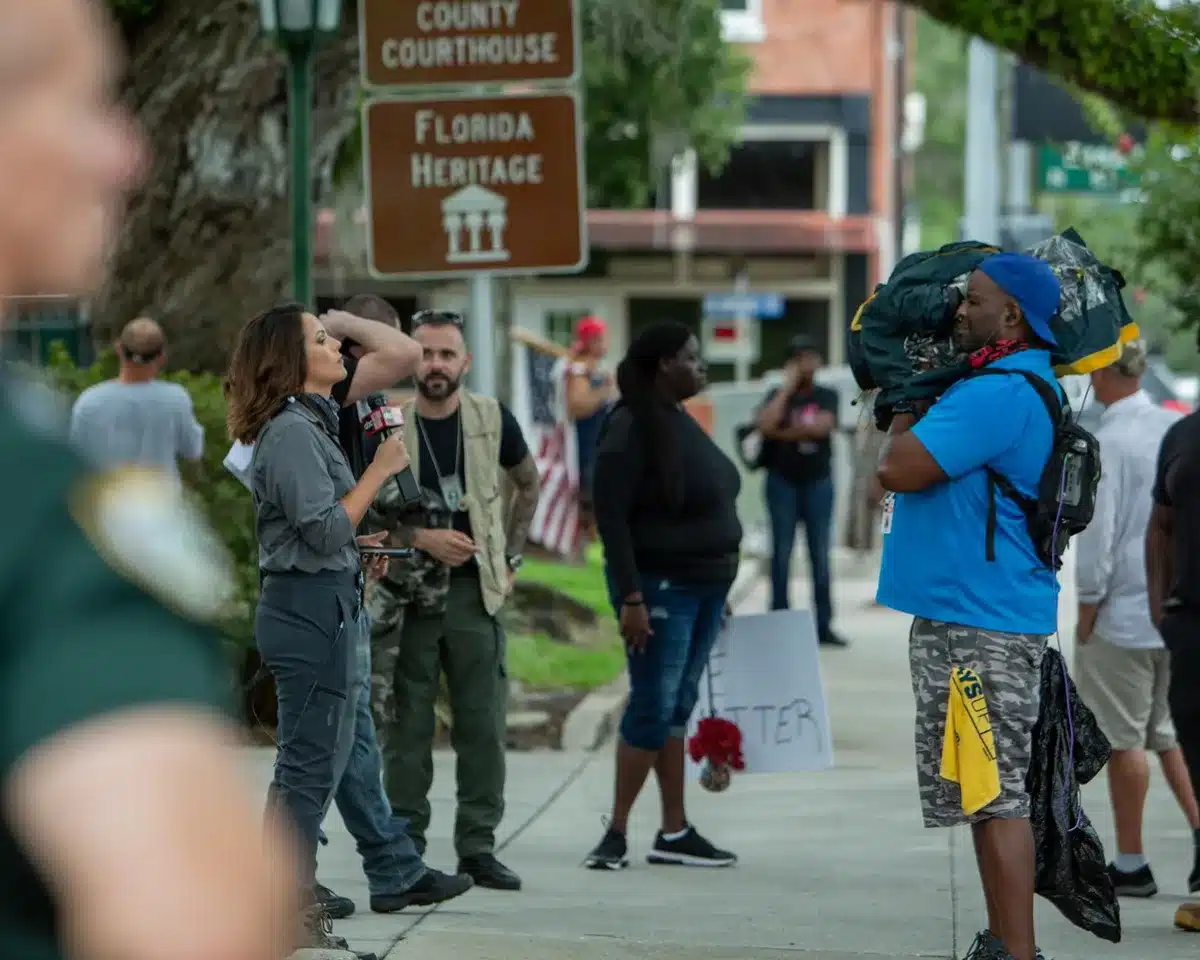
High-profile coverage can also influence witness willingness to come forward. Fear of publicity, threats or social pressure often factors into silence.
Historical context and the long shadow over the investigation
The 1996 killing remains a focal point for fans, scholars and law enforcement. Cold-case challenges, lost leads and evolving forensic tools all shape the present legal fight.
As the case progresses, investigators may:
- Reexamine forensic material with new technology.
- Contact previously overlooked witnesses.
- Explore transactional records and communications uncovered since the original inquiry.
What to watch next in the courtroom and beyond
Key developments to monitor include motions to compel testimony, any immunity deals, and rulings on admissibility. Each will affect whether the trial moves forward on schedule or stalls.
The interplay of witness cooperation and legal maneuvering will determine how quickly and effectively the case is tried.










