
Show summary Hide summary
- How many people rely on SNAP and why the pause matters
- What the USDA notification reportedly said
- State-level responses and citizen alerts
- Online reaction: forums, outrage and personal stories
- Critics point to other federal spending choices
- Impact on children and families
- What communities are doing right now
- Where to look for updates on benefit status
- The political conversation shaping the headlines
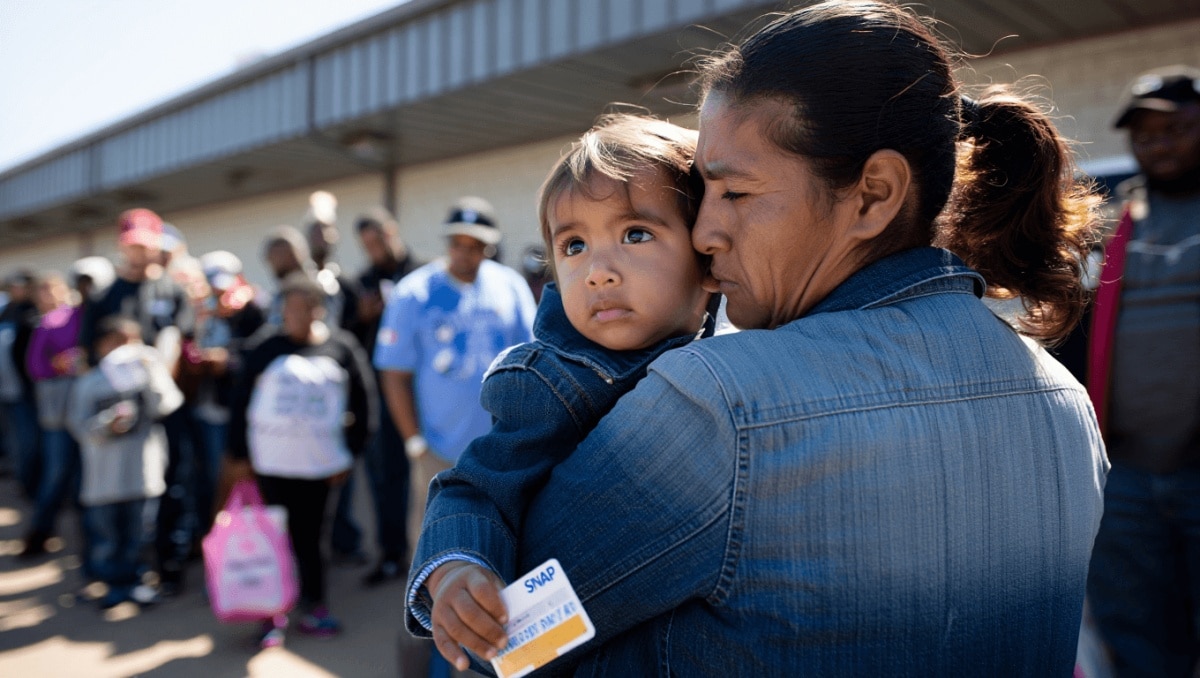
Federal aid programs are slipping into uncertainty as the partial government shutdown reaches its fourth week. Millions of Americans who depend on food assistance are now scrambling for clarity after fresh reports said monthly SNAP funding may not be released for November. The news has sparked alarm across states, social media and local communities.
How many people rely on SNAP and why the pause matters
SNAP serves tens of millions of Americans each month, including many children and low-income families. The program is the largest federal safety-net for food security in the U.S.
Nas slams music industry over disrespect: teases new music, vows to address it
1992 vocal performances: 3 jaw-dropping moments that still amaze
- More than 40 million people typically receive SNAP benefits each month.
- Roughly one in eight Americans depends on this support.
- About a third of recipients are under 18.
When federal payments stop, households face immediate stress. Many have little buffer for missed benefits. Local food banks can help, but they often lack capacity for sudden spikes in need.
What the USDA notification reportedly said
Local reporting said the U.S. Department of Agriculture’s Food and Nutrition Service alerted states that November SNAP funds would not be issued as planned. States responded quickly by notifying applicants.
- Officials used email and text alerts to warn current and recent applicants.
- State agencies are assessing short-term options to keep benefits flowing.
The potential suspension of monthly payments creates a short timeline for families. States and community groups are racing to communicate options and resources.
State-level responses and citizen alerts
Many state agencies posted advisories and sent automated messages to beneficiaries. The tone varied, but the aim was the same: prepare recipients for possible delays.
- Some states directed residents to local assistance and food banks.
- Others emphasized that benefit processing continues when funding is available.
- Administration lines and online portals experienced surges in traffic.
Online reaction: forums, outrage and personal stories
Social media and message boards filled with reactions after the news circulated. Users discussed politics, policy and immediate survival strategies.
Common themes on message boards
- Anger at lawmakers for allowing basic benefits to be jeopardized.
- Calls for emergency local support and volunteer coordination.
- Personal accounts of how SNAP helped people through crises.
One commenter described how food assistance bridged the gap during early parenthood and helped them find stable employment. Others framed the pause as a test of political priorities.
Critics point to other federal spending choices
Many posts contrasted the potential SNAP shortfall with recent high-profile expenditures. Those comparisons fueled the debate about budget priorities.
- A multibillion-dollar support package for a foreign economy drew criticism.
- State and federal purchases of aircraft and infrastructure projects were cited.
- High-profile renovations and proposals tied to national leaders were also mentioned.
These contrasts underscore public frustration over perceived inconsistencies in how taxpayer money is allocated during fiscal disputes.
Impact on children and families
Advocates warn that any interruption to SNAP could be most harmful to children. Early nutrition affects health and development.
- Families with limited savings could face days without adequate food.
- School meal programs help, but gaps remain for non-school days.
- Local charities expect increased demand if benefits are delayed.
What communities are doing right now
Food banks, nonprofits and faith groups are mobilizing to fill gaps. Some are expanding hours and coordinating mobile pantries.
- Volunteer networks are sharing distribution schedules on social platforms.
- Community leaders are urging residents to check official state pages for updates.
- Legal and social service groups are preparing guidance for urgent cases.
Neighbors and local organizations are often the fastest safety net when federal support falters.
Where to look for updates on benefit status
If you or someone you know relies on SNAP, monitor these sources:
- Your state’s human services or DSS website and official social channels.
- Local news outlets and public radio for community resource alerts.
- Nonprofit hotlines and food bank pages for emergency food distributions.
Checking multiple channels can help catch fast-changing information and local assistance options.
The political conversation shaping the headlines
As lawmakers negotiate funding, the issue has become a flashpoint in broader debates over fiscal policy and priorities. Public discourse mixes policy analysis with sharp personal stories.
- Some commentators frame the issue through partisan lenses.
- Others focus on immediate human needs, urging rapid resolution.
- Advocacy groups are calling for mechanisms that protect essential benefits during budget impasses.










