
Show summary Hide summary
- What the leak revealed about the Young Republicans
- How politicians and parties have reacted
- High-profile ripple effects: a nomination pulled
- Why private chats matter for public trust
- The blurred line between private jokes and public harm
- Case study: when candidates cross the line
- Why some leaders defend the chat participants
- Where online culture and real-world politics intersect
- What experts recommend to curb spillover
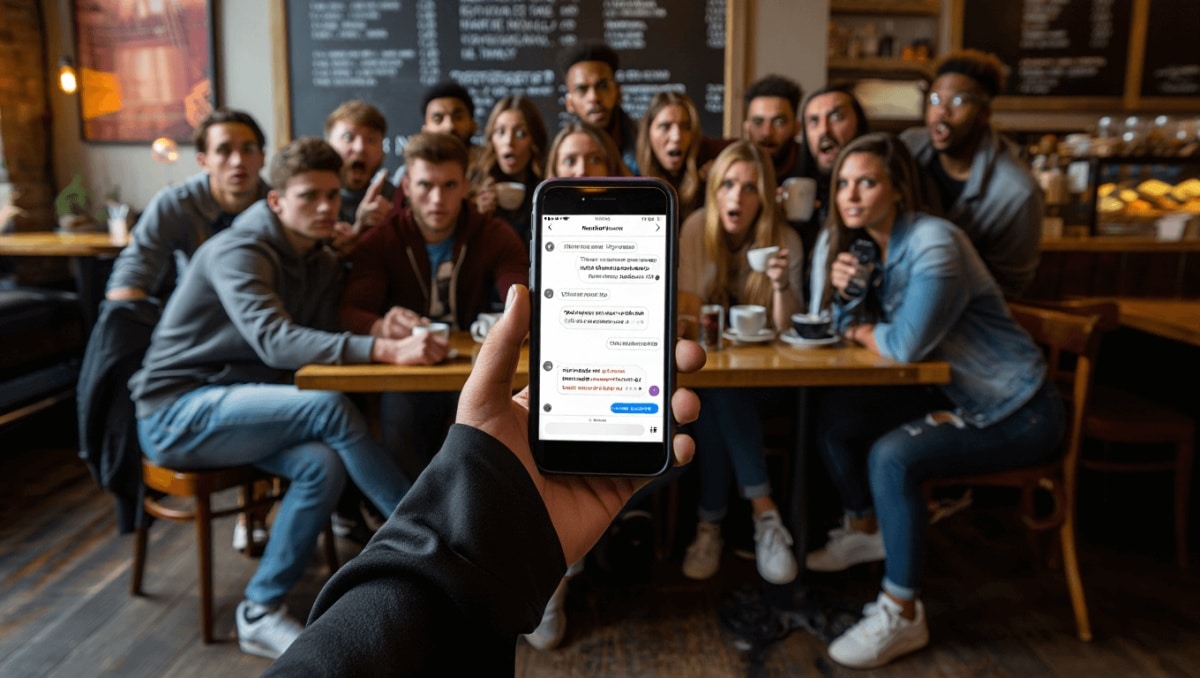
Leaked messages from a Young Republicans group chat have ignited a nationwide debate about online culture, political responsibility, and how private speech can reshape public life. The revelations, which include racist, antisemitic and violent comments, have prompted firings, a withdrawn nomination and sharp divisions among Republicans over accountability.
What the leak revealed about the Young Republicans
Investigations showed thousands of Telegram messages shared by young GOP operatives across multiple states. The content ranged from crude slurs to violent jokes and praise for historical figures associated with genocide. These exchanges were not isolated; they came from members who hold or once held leadership posts in state and local party organizations.
Nas slams music industry over disrespect: teases new music, vows to address it
1992 vocal performances: 3 jaw-dropping moments that still amaze
- Racist and antisemitic language peppered the chat.
- Threats and references to sexual violence appeared in multiple threads.
- Some participants made explicit, celebratory references to extremist figures.
How politicians and parties have reacted
The fallout was swift. Several people tied to the chat lost roles or resigned. Democrats condemned the messages immediately, and many Republican leaders also denounced the language. But responses within the GOP have been mixed.
- Some conservative commentators and officials called for accountability.
- Others downplayed the content, framing participants as young people joking in private.
- Some pushed back by citing extreme rhetoric from political opponents as a mirror.
High-profile ripple effects: a nomination pulled
Shortly after the Young Republicans story surfaced, another damaging set of private messages emerged from Paul Ingrassia, President Trump’s nominee for the Office of Special Counsel. Ingrassia allegedly used racial slurs, said he had a “Nazi streak,” and disparaged Martin Luther King Jr. The nomination was withdrawn when it became clear key GOP senators would not support him.
Why private chats matter for public trust
Jamie Cohen, a media studies professor at Queens College CUNY who studies online extremism, explains that the language in these chats reflects broader patterns in internet communities. She says people adopt distinct speech styles in their private groups. Those patterns can seem harmless within a small circle but can shift norms.
In-group testing and speech norms
Cohen argues that group chats function as testing grounds for what language is tolerated. Members try provocative language to see who objects. If no one does, the speech becomes normalized. That process isn’t limited to any single ideology.
The blurred line between private jokes and public harm
Experts warn that joking about violence or hate can slowly desensitize participants. Over time, the filter between private and public behavior can thin. Cohen cautions that this erosion happens gradually and is amplified by online culture. The more normalized such language becomes, the more likely it is to shape real-world attitudes.
Case study: when candidates cross the line
The story included examples beyond the Young Republicans. A Democratic candidate, Jay Jones, sent private texts that threatened a political rival. Unlike the local party leaders, Jones was running for attorney general — a role tied to enforcing law and safety. Experts say public office seekers must anticipate consequences and that violent threats may amount to criminally actionable speech.
Why some leaders defend the chat participants
Notably, Vice President JD Vance publicly minimized the controversy. He framed the participants as immature “kids” and resisted what he called performative outrage. Observers see this as part of a broader cultural shift where abrasive, online-style language has become acceptable, even from top officials.
Political ambition and cultural signals
Cohen suggests leaders who defend such speech may be signaling to an online base. Protecting crude group-chat culture can be a way to align with a growing faction inside a party. That alignment can reshape the boundaries of acceptable political language over time.
Where online culture and real-world politics intersect
The pandemic and the expansion of digital communities changed how people socialize and form identity. Private messaging platforms have replaced some neighborhood spaces. That shift gave rise to looser norms and more permissive speech among tight-knit online groups.
- Online communities can foster intimacy and experimental language.
- Those same spaces can accelerate the normalization of hateful rhetoric.
- When filters break down, damaging attitudes can migrate into public life.
What experts recommend to curb spillover
Researchers and media scholars urge more proactive moderation of political organizations and clearer standards for conduct. They also call for better digital literacy: teaching people how private speech can become public and why responsible communication matters for democracy.
Transparency and institutional accountability are cited as essential steps. Party leaders, Cohen says, must enforce boundaries if they want to prevent online toxicity from becoming a lasting feature of political movements.










