

Show summary Hide summary
- Board approves extended shutdown and a multimillion-dollar renovation
- Restoring Trump’s name becomes a focal point of contention
- Court battles and legal questions
- Lawmakers and trustees demand transparency
- Arts organizations and artists feel the fallout
- Financial and legal consequences for the institution
- What remains open and what comes next
The Kennedy Center’s board voted again to close much of the Washington, D.C., complex for an extensive renovation and to restore President Trump’s name on the building, moves that reopen a heated legal and cultural battle over the nation’s flagship arts institution.
Board approves extended shutdown and a multimillion-dollar renovation
Board members voted to shutter the main Kennedy Center building for what they describe as a two-year, large-scale renovation.
Nas slams music industry over disrespect: teases new music, vows to address it
1992 vocal performances: 3 jaw-dropping moments that still amaze
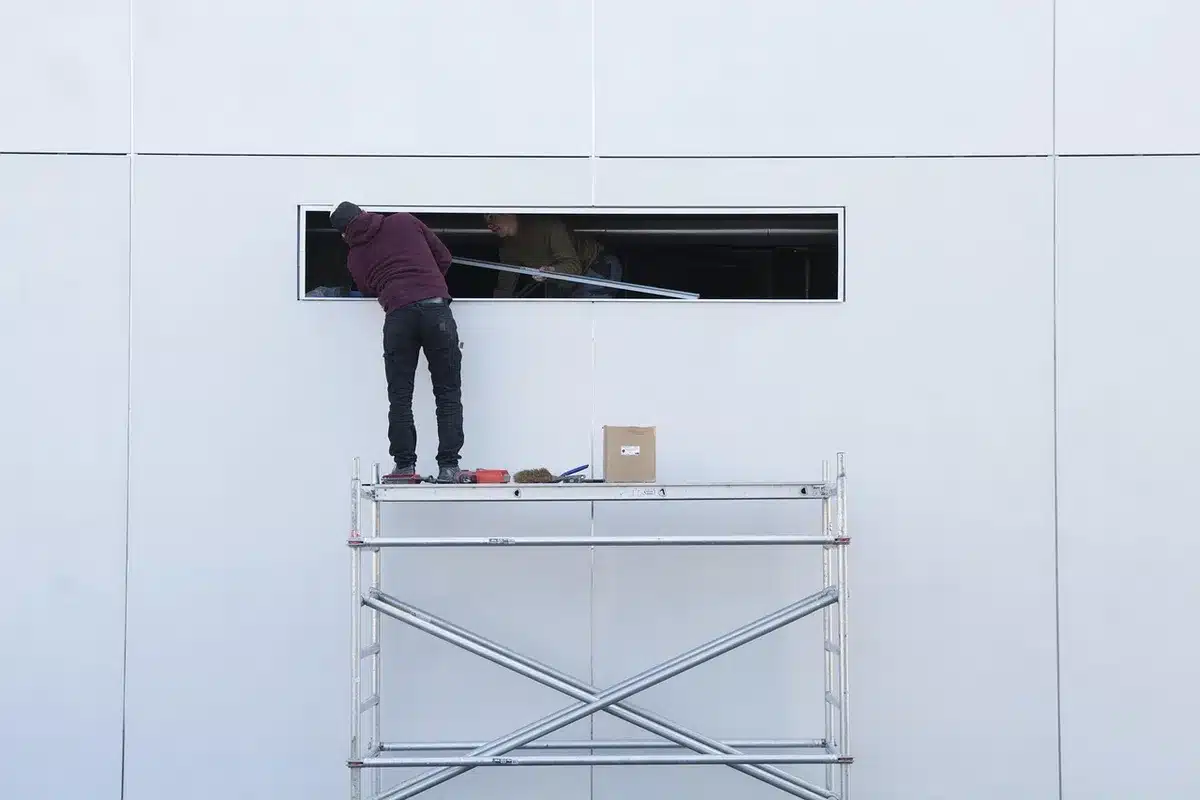
- The project is estimated at about $250 million.
- Planned work includes structural repairs, new marble flooring and nearly $12 million for acoustical upgrades.
- Officials propose temporarily relocating the eight-foot bronze bust of John F. Kennedy from the main foyer.
- The main campus would aim to reopen in summer 2028 under the plan.
The decision keeps The REACH, the 2019 addition, partly active for limited events and as a memorial to President Kennedy. The board held the vote over Zoom in a meeting that was not open to the public. An individual briefed on the session described the outcome on the condition of anonymity.
Restoring Trump’s name becomes a focal point of contention
Alongside the closure vote, trustees approved returning the sign that reads “Restored and Renovated by President Donald J. Trump.”
That move challenges a federal judge’s earlier intervention, which temporarily blocked the prior plan to close the complex. The name issue has prompted separate litigation and appeals.
Court battles and legal questions
Multiple lawsuits now surround the Kennedy Center.
- Rep. Joyce Beatty filed suit seeking to undo the renaming and stop the renovation plan.
- A coalition of architecture and cultural groups also sought to block the project.
- Last winter, a federal judge temporarily barred the center’s planned closure, citing trustees’ lack of information before their March vote.
Judicial scrutiny of the decision-making process
The judge found members had not received adequate advance analysis to justify a full shutdown. The ruling questioned whether a proper review had occurred despite public claims of extensive consultation.
Lawmakers and trustees demand transparency
Several Democratic ex-officio trustees said they still lacked access to assessments about the closure’s long-term effects on the institution.
The Kennedy Center is chaired by the president, and many current trustees were appointed by him. Critics say this raises concerns about impartial oversight.
Rep. Beatty criticized the latest actions as an attempt to bypass the court order and statutory protections enacted by Congress. She said she will keep challenging the board’s moves.
Arts organizations and artists feel the fallout
The center, once active year-round with free public performances, now largely stands quiet.
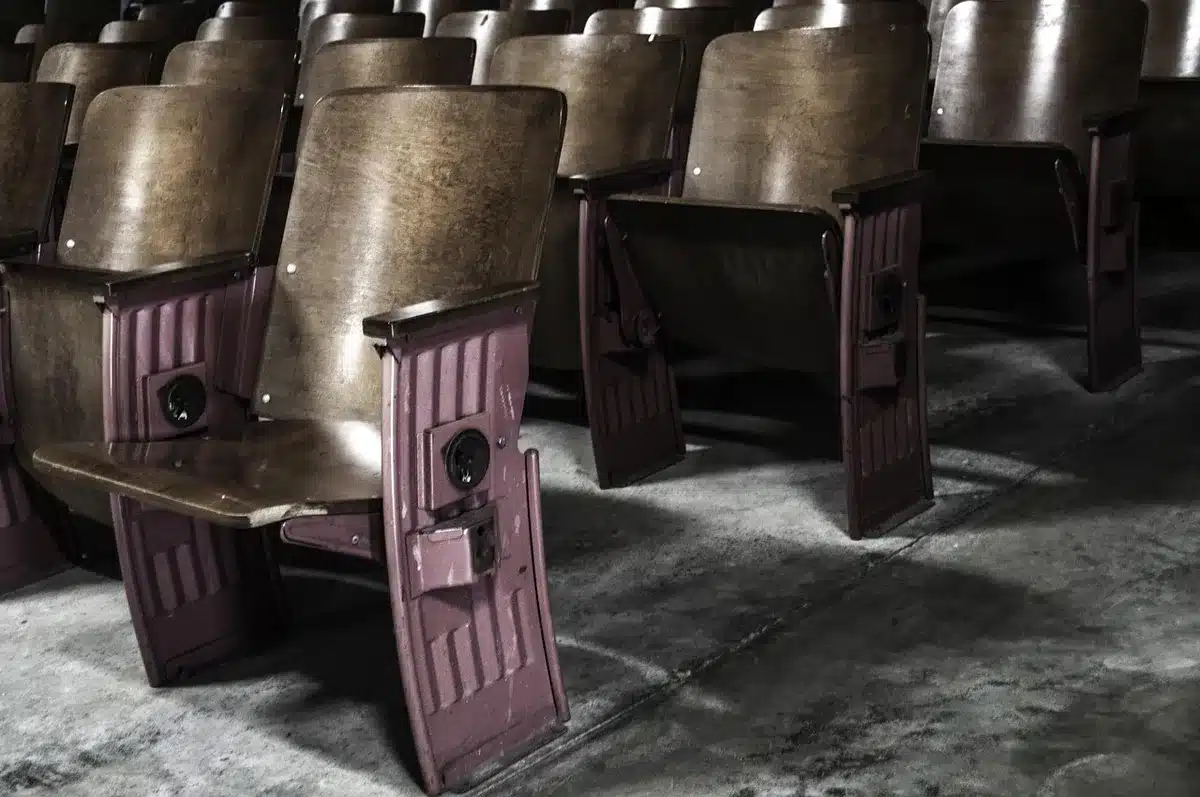
- Washington National Opera left its residency earlier this year.
- Scores of high-profile artists canceled engagements after the sign went up.
- Ticket revenue plunged and staff departures followed.
Sources inside several resident organizations tell NPR the National Symphony Orchestra has entered its deepest financial crisis in recent memory. Those sources asked to remain unnamed.
Financial and legal consequences for the institution
Recent court orders have further strained the center.
- A D.C. judge ordered the Kennedy Center to pay more than $252,000 in legal fees to jazz musician Chuck Redd.
- Redd canceled a nearly two-decade holiday show after the name change; the center says it will appeal the ruling.
- A large tarp has covered the building’s entrance since the court required removal of the sign in June.
There are also questions about how the construction manager named in the plan was selected and whether that firm has proven experience with unamplified performance spaces such as orchestras and chamber music halls.
What remains open and what comes next
The REACH will continue limited programming and will be presented as the on-site memorial to John F. Kennedy while the main building is set to close.
The board’s votes are still subject to judicial approval and could be altered by pending litigation and appeals. Stakeholders on all sides say they will keep litigating and lobbying as the situation evolves.










