
Show summary Hide summary
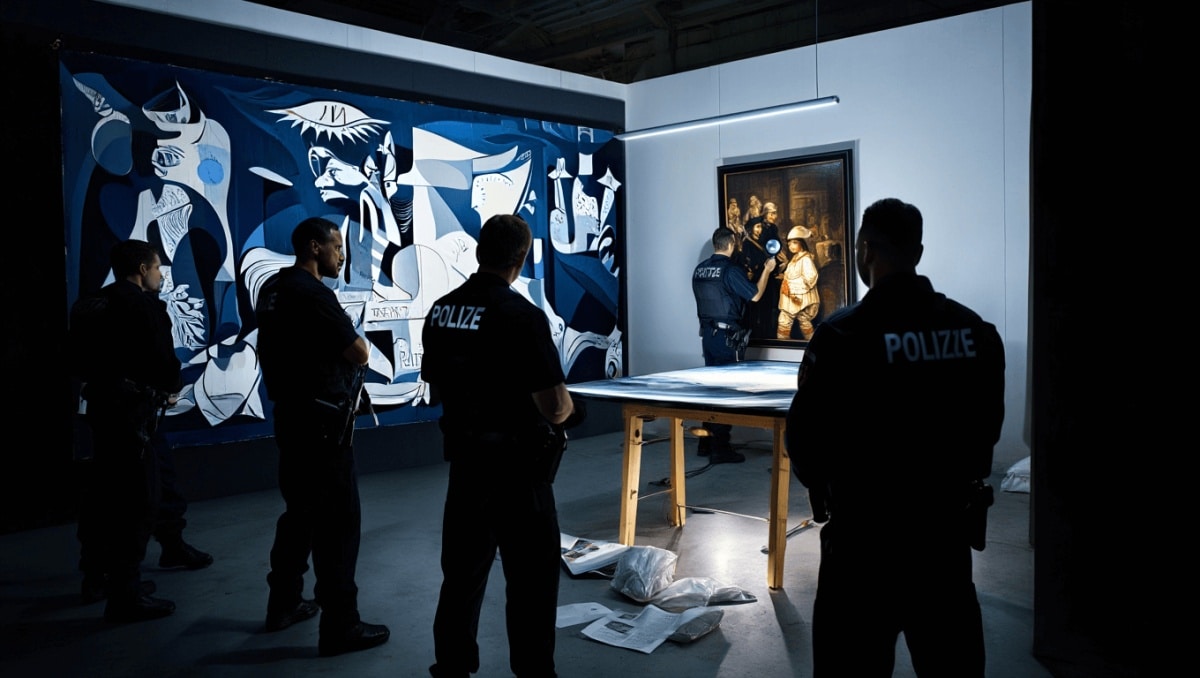
German authorities say they have dismantled an international art-forgery network that tried to move forged masterpieces into the high-end market. The alleged scheme involved fake provenance, fabricated expert reports and offers for works attributed to names like Picasso and Rembrandt.
How investigators say the fraud came to light
The case reportedly began when a seller attempted to place two paintings claimed to be by Pablo Picasso on the market. One of those works was described as a portrait of Dora Maar, a frequent subject in Picasso’s oeuvre. That attempted sale triggered checks by the Bavarian State Criminal Police Office.
Nas slams music industry over disrespect: teases new music, vows to address it
1992 vocal performances: 3 jaw-dropping moments that still amaze
Authorities traced suspicious documents and contacts to an organized group operating across borders. A recent auction of a genuine Picasso portrait of Maar, which fetched roughly $37 million, added context and urgency to the probe.
Who the authorities have charged and their alleged roles
Police named a central suspect as a 77-year-old man from Bavaria. Investigators say he led a ring that included roughly ten accomplices across Europe.
- Ringleader: A 77-year-old Bavarian accused of coordinating sales and contacts.
- Document forger: A 74-year-old man from Rhineland-Palatinate alleged to have produced counterfeit expert reports.
- Owner of a disputed copy: An 84-year-old Swiss woman whose possession of a Rembrandt copy is now under scrutiny.
Officials said the suspects worked together to create convincing back stories and paperwork for the pieces they offered.
Which masterpieces were allegedly offered — and the prices asked
Prosecutors say several high-profile names were used to market the fakes.
- Pablo Picasso — including a portrait of Dora Maar and ceramic vases attributed to the artist.
- Rembrandt van Rijn — a purported version of The Syndics (De Staalmeesters), a 17th-century group portrait that belongs to the Rijksmuseum.
- Amadeo Modigliani — a work described as Study of a Head.
- Other attributions included pieces labeled as by Peter Paul Rubens, Joan Miró and Anthony van Dyck.
Asking prices spanned a wide range. Offers varied from about $460,000 to bids above $16 million. One Rembrandt copy was allegedly marketed with an asking price near $150 million, despite the original being publicly held in Amsterdam.
Cross-border raids and material seized for analysis
Authorities executed a coordinated operation early this month. Searches took place at more than a dozen sites in Germany, Switzerland and Liechtenstein.
Officials reported recovering multiple suspicious artworks, documents and other evidence. Those items have been transferred to specialists for technical examination and provenance checks.
What experts will review
- Physical analysis of paints, canvases and ceramics
- Forensic study of signatures, stamps and labels
- Verification of provenance chains and ownership documents
- Authentication of expert certificates linked to sales
Legal follow-up and market implications
German and Swiss authorities confirmed parallel inquiries into the individuals and goods recovered. Prosecutors may pursue charges related to fraud, forgery and document falsification if expert reports confirm the items are counterfeit.
The episode underscores the risks facing collectors, dealers and institutions when high-value items change hands. It also highlights how fabricated expert opinions can be used to lend credibility to dubious works.
In the weeks ahead, specialists will release results of laboratory tests and historical research on the seized pieces, and investigators will use those findings to decide on formal charges and further searches










