
Show summary Hide summary
- HBO prequel reimagines Stephen King’s classic for a new era
- How the story begins: a small town, a cold night, a vanished boy
- Military secrets, racial tension and forbidden ground
- The kids at the center: outcasts who refuse to be ignored
- Performances: the new cast stands out
- History, race and the Cold War: the series as social mirror
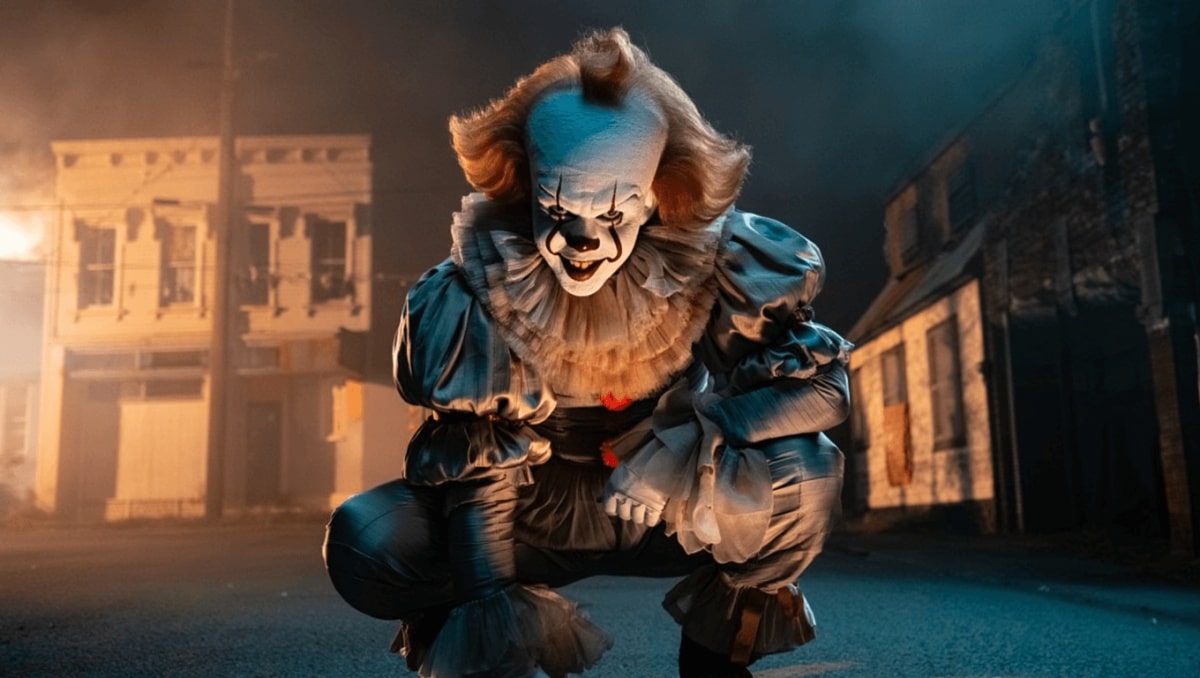
- Pennywise and the series’ place in the It universe
- Practical details: when and where to watch
HBO’s new series It: Welcome to Derry reopens the town’s darkest chapter, mixing supernatural terror with social wounds. The show acts as a prequel to the recent It films and digs into how fear, prejudice and history shape a place — and the children who live there.
HBO prequel reimagines Stephen King’s classic for a new era
The eight-episode series adapts Stephen King’s 1986 novel with fresh eyes. Creators Andy Muschietti, Barbara Muschietti and Jason Fuchs expand the mythology. They use horror to explore real-world tensions in 1960s America.
Nas slams music industry over disrespect: teases new music, vows to address it
1992 vocal performances: 3 jaw-dropping moments that still amaze
It: Welcome to Derry connects to the film universe while standing on its own. The show frames the rise of Pennywise through the town’s past traumas.
How the story begins: a small town, a cold night, a vanished boy
The premiere opens on a snowy January day in 1962. A frightened 12-year-old tries to leave town after trouble at the local movie house. A couple stops the boy, and the scene quickly turns ominous.
That disappearance becomes the axis for the season. The mystery drags families, classmates and the military into the orbit of Derry’s hidden horrors.
Military secrets, racial tension and forbidden ground
Major Leroy Hanlon (Jovan Adepo) arrives at a nearby Air Force base expecting routine duty. Instead, he finds strange restrictions and tensions. Leroy is Black, and racism follows him even in uniform.
- Restricted zones overlap with Indigenous land.
- A Black airman, Dick Hallorann (Chris Chalk), has unusual access to power.
- The base’s secrecy hints at forces beyond simple military protocol.
The series lets these details simmer, offering more than jump scares. Derry’s institutions guard secrets that look disturbingly familiar today.
The kids at the center: outcasts who refuse to be ignored
At Derry High, a small band of misfits forms a fragile alliance. Lilly (Clara Stack) has returned from an asylum and wants normal life back. Ronnie (Amanda Christine) fights to clear her father’s name. Others join to find the missing boy.
Key young characters and what they bring
- Lilly — trauma, grit and a need to protect friends.
- Ronnie — loyalty and a drive for justice.
- Phil and Teddy — classmates pulled into danger.
- Will and Rich — new additions whose presence widens the group’s scope.
The youngsters carry the emotional weight. Their fear and bravery form the show’s strongest throughline.
Performances: the new cast stands out
The young ensemble delivers layered, affecting turns. Their work anchors the supernatural plot in human reality. Lilly’s depiction of grief and resolve is especially powerful.
It’s the children’s reactions — trembling, defiant, desperate — that raise the series above simple horror fare.
History, race and the Cold War: the series as social mirror
The creators weave in real historical threads. On-screen news reports and background events echo the Jim Crow era and protests being suppressed elsewhere. These moments deepen the dread.
The show interrogates tropes as well. It subverts the “Magical Negro” idea and refuses to make Black characters mere problem-solvers for white pain. Indigenous land rights, militarization and abuse also appear as recurring motifs.
- Racism and segregation inform scenes and character arcs.
- Indigenous sovereignty is hinted at through off-limits military activity.
- Cold War paranoia amplifies the town’s unease.
Pennywise and the series’ place in the It universe
The prequel traces forces that will later manifest as Pennywise. While the films made the clown infamous, this show examines what lets such evil grow in a community.
Viewers familiar with Bill Skarsgård’s screen portrayal will notice ties to that vision. The series adds layers to the menace, showing how societal rot and childhood terror feed each other.
Practical details: when and where to watch
It: Welcome to Derry premieres Oct. 26 on HBO and HBO Max at 9 p.m. ET. New episodes roll out weekly on Sundays.










