
Show summary Hide summary
- How the Canal Street raid turned into a viral moment
- Meet the anonymous woman people call the “polka dot dress” icon
- Online response: memes, praise, and protection
- Fashion as protest: why clothes can be powerful
- Gender dynamics and the crowd’s composition
- What this viral moment reveals about activism and media
- How New Yorkers and the wider public reacted in real time
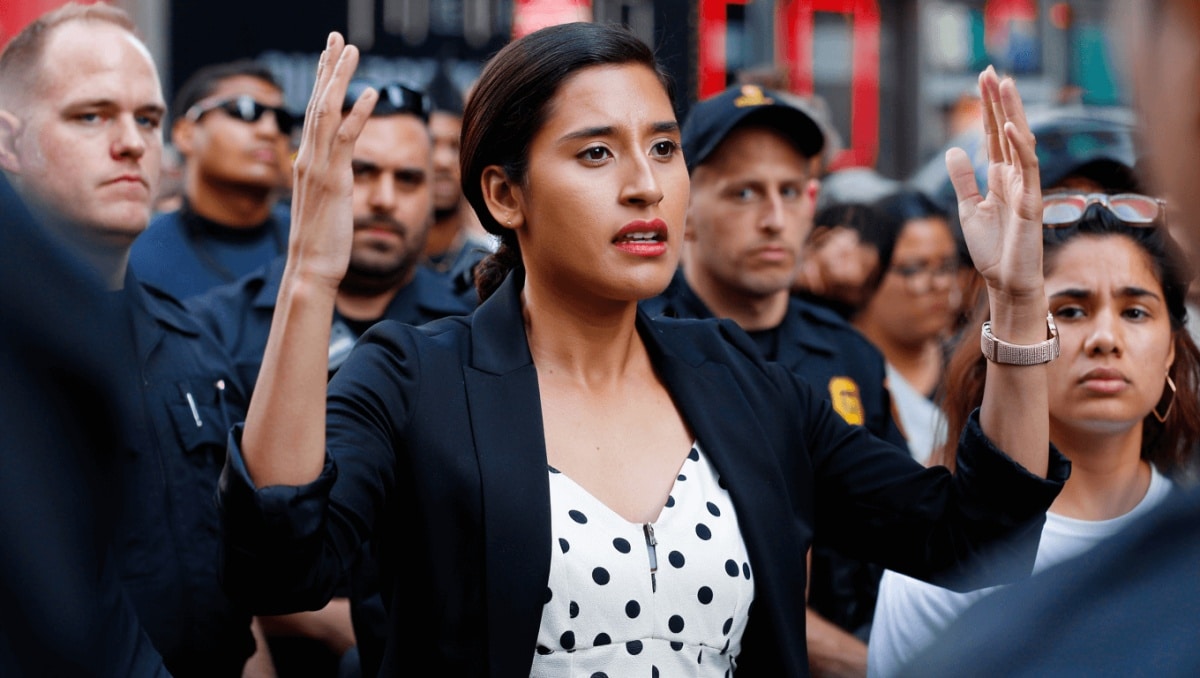
Videos from a recent ICE operation on Canal Street in New York have focused attention on a single, stylish figure in the crowd. In footage that spread quickly online, a woman in a polka dot dress and blazer stood her ground among protesters and officers. Her calm, composed presence has become a viral touchpoint in conversations about immigration enforcement, civil resistance, and how fashion can turn into a symbol.
How the Canal Street raid turned into a viral moment
Onlookers captured scenes of officers moving through a packed street, with heated exchanges and tense moments. Clips shared on social platforms showed the chaotic mix of law enforcement action and citizen pushback. Within hours, one image repeated across feeds: a woman in business-casual attire standing near the center of the commotion.
Nas slams music industry over disrespect: teases new music, vows to address it
1992 vocal performances: 3 jaw-dropping moments that still amaze
That single visual helped the story travel beyond local news. Social posts framed the scene not only as a policy flashpoint but as a cultural moment. People began to parse clothing, posture, and context to tell a broader story about protest tactics.
Meet the anonymous woman people call the “polka dot dress” icon
The woman has not publicly identified herself. In photos she wears a patterned dress under a tailored blazer and sensible shoes. Her outfit led many viewers to nickname her the “polka dot dress lady.” The look suggested she came from work or a lunch break, yet she remained engaged with the crowd.
- Blazer and dress: a mix of professional and everyday clothing.
- Maroon or brown shoes: practical for navigating a crowded street.
- Composed behavior: she did not appear to instigate physical confrontation.
That blend of ordinary attire and visible defiance resonated online. The image offered a surprising counterpoint to stereotypes about protestors and highlighted how unexpected visuals can capture attention.
Online response: memes, praise, and protection
Social media users reacted with humor and admiration. Many posts turned the woman into a meme and suggested costume ideas. Some commenters wrote playful lines imagining her lunchtime choices and workplace commute.
Others took a protective tone. After the images spread, a number of voices urged caution about revealing her identity. One widely shared sentiment asked followers to respect privacy and avoid doxxing. Calls to protect the woman’s anonymity were common.
- Humor and memes: costume ideas and witty captions.
- Praise: admiration for her stance and calm presence.
- Privacy pleas: requests not to unmask or expose her.
Fashion as protest: why clothes can be powerful
Clothing has long been part of political expression. In this episode, the attire signaled both normalcy and resistance. When someone in everyday work clothes steps into a tense public moment, it reframes the narrative.
That contrast makes the scene relatable. Viewers imagine themselves standing in similar shoes—literally and figuratively. As a result, the image became a shorthand for citizen courage and everyday bravery.
Gender dynamics and the crowd’s composition
Several observers pointed out the presence and role of women in the confrontation. Many videos showed a large number of women in the crowd taking active stances against officers. Commenters interpreted this as notable and empowering.
That reading led to broader conversations about who participates in street-level resistance and how gender shapes public response to enforcement actions.
What this viral moment reveals about activism and media
The episode highlights how a single image can shape public perception. Short videos and stills travel fast and often define the narrative before detailed reporting can catch up. Visual symbols — whether signs, songs, or outfits — can crystallize a complex event.
- Attention economy: certain images get amplified quickly.
- Symbol creation: ordinary gestures can become icons.
- Movement momentum: viral moments can inspire replicate acts.
Activists and observers now watch for how such symbols influence broader debates about immigration, policing, and civic engagement. The demand for more bold, relatable displays of dissent is already visible in online discussions.
How New Yorkers and the wider public reacted in real time
Reactions ranged from cheering on the street to jokes about office attire doubling as protest armor. Many applauded the collective response of bystanders who challenged the enforcement action. Others focused on practical concerns, like safety and legal consequences for those involved.
Across platforms, the image of the woman in polka dots became a rallying point, sparking calls for similar acts of public witness without revealing personal identities.










