

Show summary Hide summary
- Why concert and sports tickets keep getting pricier
- A fan’s profile: who pays thousands to see Beyoncé
- From one ticket to a full-blown series: the psychology of repeat shows
- Money choices, credit cards, and the aftermath
- Limits, future plans, and how fandom reshapes spending
- What this says about modern fandom and access
From staring at a seating chart and gasping at the price, to standing in Club Ho-Down as surprise guests appear, live events now come with a sticker shock. Fans are choosing between crowded arenas and stream-only FOMO, while ticket bills keep climbing.
Why concert and sports tickets keep getting pricier
Ticket prices have jumped a lot in recent years. What used to feel like an affordable night out now looks like a luxury purchase.
Nas slams music industry over disrespect: teases new music, vows to address it
1992 vocal performances: 3 jaw-dropping moments that still amaze
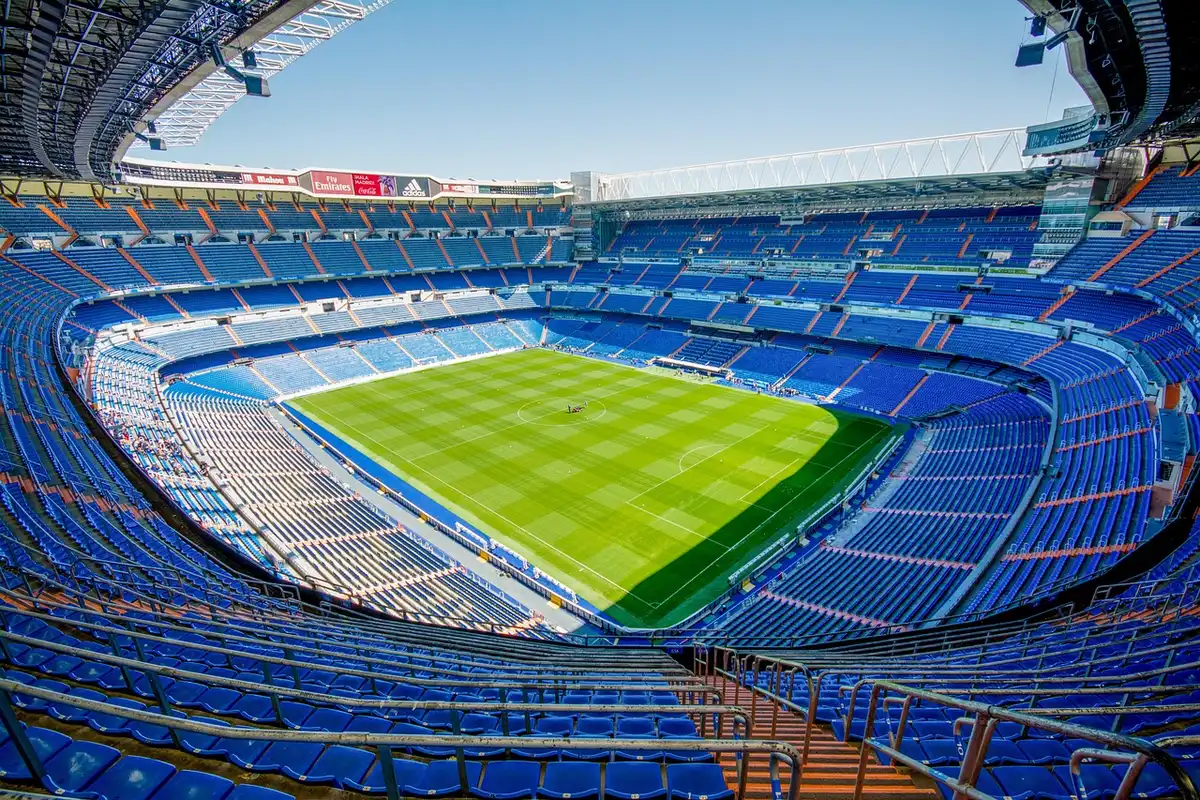
- Industry concentration: A handful of companies dominate venues, promoters, and ticketing. That power limits competition and influences prices.
- Resale market pressure: Automated bots and resellers buy bulk allocations. Fans then face inflated secondary-market rates.
- Rising service fees: Fees on top of face value now add large percentages to each purchase. They show up at checkout and sting.
- Dynamic pricing: Some platforms adjust costs based on demand. Popular dates and artists can spike costs fast.
A fan’s profile: who pays thousands to see Beyoncé
Meet Craig, a 44-year-old Bay Area resident who earns about $180,000 a year. He spent roughly $15,000 to attend Beyoncé’s Cowboy Carter shows six times.
Craig did not inherit wealth. He describes his priorities as choosing experiences over things. His mother’s line—“We’re making memories.”—influenced that mindset.
What it looked like in practice
- He initially planned three shows. The plan expanded into six.
- Seating varied, but many tickets were near the catwalk and in premium areas.
- For the final show, he paid around $2,200 for a top-tier seat.
From one ticket to a full-blown series: the psychology of repeat shows
Craig says the communal feeling kept drawing him back. Seeing other fans who understood every moment pushed him to buy more dates.
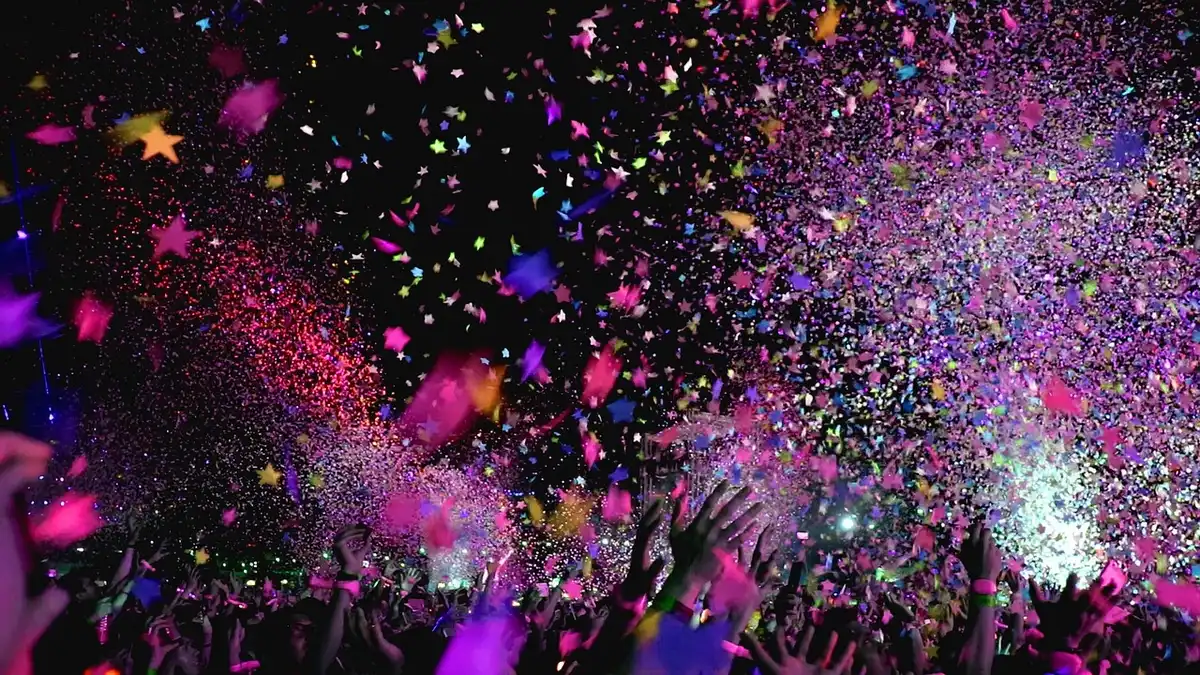
What started as a few courtside-adjacent seats transformed into a ritual. He upgraded outfits and even had a custom gold look made by the fifth show.
- First show: planned and shared with a partner.
- Mid-series: the experience became part of his social life.
- Final show: solo, in a VIP area, surrounded by other superfans and occasional celebrities.
Money choices, credit cards, and the aftermath
Craig admits he did little long-term budgeting for the total cost. After a breakup, the spending accelerated.
Most purchases went on credit. He carried balances, paid interest, and made it a priority to clear the debt within a year.
- He works in education and lives in San Francisco.
- Despite a solid salary, he says he isn’t disciplined about saving.
- Payoff timeline: roughly one year after the spending spree.
“It helped get me through a tough time,” he says, framing the expense as emotional relief rather than pure indulgence.
Limits, future plans, and how fandom reshapes spending
Craig doesn’t see himself as untouchable. He set a mental ceiling: anything up to about $5,000 might be worth it if it’s a once-in-a-lifetime show.
He expects to attend more Beyoncé performances if an Act III tour happens. He plans to be more strategic next time.
- He’ll mix premium dates with cheaper seats to balance cost and experience.
- He watches artists like Björk and Fiona Apple from afar because they tour less.
- Seeing smaller artists multiple times now seems easier after setting the Beyoncé benchmark.
What this says about modern fandom and access
Craig’s story shows how modern concerts can become major life expenses. For some, the emotional payoff justifies the cost.
For others, rising fees and resale practices lock fans out. The industry’s structure amplifies demand and deep pockets win prime seats.
- Fans sacrifice other goals: some delay homeownership or make other trade-offs to afford live shows.
- Social signaling: repeat attendance and VIP areas create new status markers among concertgoers.
- Policy and tech matter: regulation of resale and platform practices could change future affordability.










