
Show summary Hide summary
- Why nine is a tipping point for young readers
- Two competing theories about the sales slump in middle-grade books
- How blockbuster titles reshaped expectations
- Pandemic effects: a perfect storm for discovery
- The rise of illustrated formats: manga, graphic novels, and hybrids
- What modern middle-grade books look like
- How schools, libraries, and librarians respond
- Publishers reshaping their lists and imprints
- Signs that reading may be rebounding
- What parents and caregivers can do now
- Trends to watch in middle-grade publishing
Around the age of nine, many children suddenly read less for pleasure. What was once a daily habit for youngsters often fades into screens, schedules, or other distractions. Publishers, teachers, and librarians are racing to understand why this shift happens and how to keep kids engaged with books as they grow.
Why nine is a tipping point for young readers
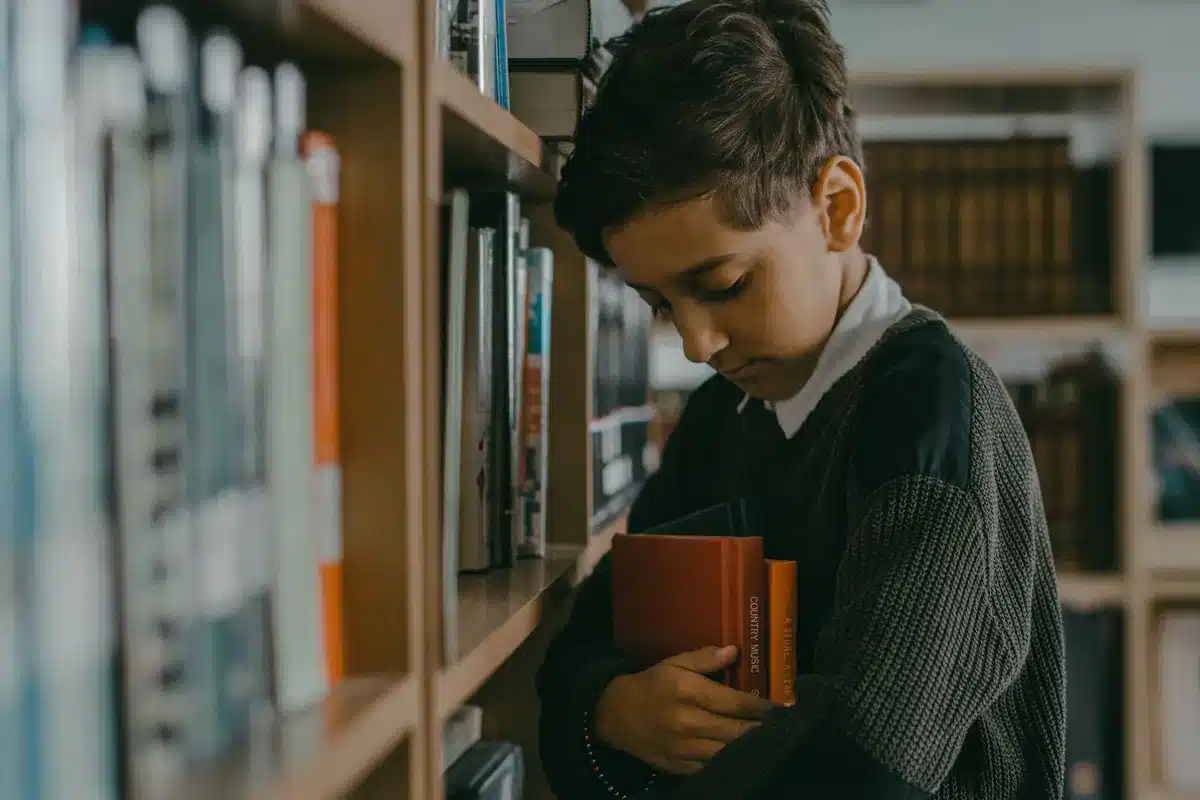
The move from short, illustrated chapter books to longer novels is a major hurdle. For many children, that change feels abrupt. Books that once fit neatly in small hands and short attention spans are replaced with denser pages and fewer pictures.
Nas slams music industry over disrespect: teases new music, vows to address it
1992 vocal performances: 3 jaw-dropping moments that still amaze
Teachers and librarians point to two practical barriers:
- Confidence: A longer book can feel intimidating to a child who is unsure about reading ability.
- Time: Structured schedules and extracurriculars reduce the free minutes kids once used for reading.
That mix—greater difficulty and less downtime—helps explain why many children drift away from reading right around age nine.
Two competing theories about the sales slump in middle-grade books
Industry observers offer two main explanations for declining middle-grade book sales over the past decade.
The “kids changed” argument
One theory blames changes in childhood. From streaming video to gaming and short-form content, kids have more digital pulls vying for their attention. Reading scores began slipping in the mid-2010s, suggesting weaker reading stamina.
The “publishers changed” argument
Another view blames the books themselves. After blockbuster series grew massive, publishers produced longer, denser titles aimed at capturing similar success. The average middle-grade book length grew notably over the 2000s and 2010s, making many releases harder for the target audience.
Either way, the result is the same: a gap between what young readers need and what the market supplied.
How blockbuster titles reshaped expectations
When one series becomes a cultural phenomenon, the market often imitates it. That pattern affected middle-grade publishing.
- Hit series with long volumes set a new bar for epic storytelling.
- Other publishers tried to match that scope and depth.
- Some of those follow-ups skewed older or simply grew too long for the intended readers.
Industry insiders warn that some of this shift overlooked the simple fact that many blockbuster readers were adults too. Publishers chased page counts and world-building without fully weighing how younger readers experience a book.
Pandemic effects: a perfect storm for discovery
The Covid-19 pandemic intensified existing trends. School and library closures disrupted book discovery, and remote life increased screen time. For a generation of kids, the chain of finding, borrowing, and sharing books was fractured.
Experts describe multiple forces colliding:
- Fewer library visits and school book programs.
- Less peer-to-peer recommendations during lockdowns.
- Expanded digital distractions and altered daily routines.
Those disruptions reduced the chances children had to encounter books that might reignite their reading habits.
The rise of illustrated formats: manga, graphic novels, and hybrids
Not all reading died. During the pandemic, interest surged in illustrated formats. Manga and graphic novels saw strong growth across ages.

Retailers and publishers noticed scenes in stores: children and teens hunched over manga volumes during breaks, and inventory often struggled to keep pace.
Why illustrated books appeal
- They break text into manageable visual chunks.
- Color, panels, and mixed media can increase engagement.
- They often deliver humor and immediate emotional cues.
Some industry leaders now say the strategy is to “meet kids where they are.” That means more books with visuals, humor, and interactive elements.
Best-selling series that blend illustration and comedy show publishers how to make reading feel effortless and fun again.
What modern middle-grade books look like
The market is shifting toward titles that are short, fast-paced, and visually dynamic. Publishers want books that are easy to pick up and hard to put down.
- Graphic novels and full-color series aimed at younger readers.
- Hybrid formats with text, art, and playful design elements.
- Comedic tone and interactive features that reward page-turning.
One model gaining attention uses humor and visual gags to lower the intimidation factor. These books often include panels, illustrated sequences, or even animations embedded in the tactile experience of the book.
How schools, libraries, and librarians respond
Front-line educators see the change in real time. Librarians are curating more illustrated series and looking for diverse formats that connect with kids.
They also emphasize choice and confidence building:
- Offer many short wins: novella-length books and illustrated reads.
- Create low-pressure reading environments during school hours.
- Encourage peer recommendations and book clubs to rebuild social discovery.
Small victories—one funny or immersive book at a time—can rebuild a child’s reading identity.
Publishers reshaping their lists and imprints
Major houses are reorganizing to reflect new demand. Some imprints that focused on longer, traditional middle-grade novels have closed. New imprints emphasize nonfiction, illustration, and hybrid formats.
Practical steps taken by publishers include:
- Prioritizing illustrated and graphic content for younger readers.
- Investing in short, comedic series that can build sustained readership.
- Rethinking marketing to reach readers across screens and stores.
Editors who survived imprint cuts often specialize in picture books and graphic novels. That signals where houses expect future growth.
Signs that reading may be rebounding
There are tentative positive indicators. Recent testing shows a recovery in average reading scores for some age groups. Retail demand for illustrated books and manga remains robust.
- Standardized scores for young readers have begun to climb back.
- Retail and library circulation favor visual-first formats.
- Publisher optimism has increased with new, creative offerings.
When stronger reading skills meet more accessible book formats, both sides have a chance to reconnect.
What parents and caregivers can do now
Adults can make small, practical choices that increase reading exposure.
- Provide a variety of formats: comics, manga, short novels, and hybrids.
- Keep reading times available in the daily routine.
- Let kids pick funny or visually rich books to build confidence.
- Encourage shared reading and talk about books without pressure.
Librarians stress that discovery is social. When kids see peers or adults enjoying a book, they are more likely to try it themselves.
Trends to watch in middle-grade publishing
Several industry trends will shape the next wave of books aimed at 8- to 12-year-olds:
- Growth in full-color, immersive graphic series.
- More short, humorous titles designed for quick wins.
- Hybrid formats that mix panels, texts, and interactive elements.
- Marketing strategies that bridge physical books and online fandoms.
The future of middle-grade may be less about page count and more about engagement per page.










