

Show summary Hide summary
- Price jump, fewer storage choices, and the slimmer camera bar
- Key specifications: screen, chip, memory, and storage
- Performance in real use and benchmark context
- Practical AI features that matter
- Camera experience: telephoto, low light, and Magic Capture results
- Battery life and real-world runtime
- Where the Pixel 11 fits and who should consider it
Google’s Pixel 11 lands as a careful, familiar upgrade: thinner camera hardware, fresh AI tricks, and a higher starting price. It feels more like an iterative refinement than a leap forward. If you expect dramatic hardware changes, you might be disappointed. But if you want a comfortable, capable Android phone with smart photography and on-device AI, the Pixel 11 still earns attention.
Price jump, fewer storage choices, and the slimmer camera bar
The Pixel 11 starts at $899, and that higher sticker shocks some buyers. Google removed the 128GB option this year. The result: the entry tier costs more, even though the 256GB model is unchanged in price.
Nas slams music industry over disrespect: teases new music, vows to address it
1992 vocal performances: 3 jaw-dropping moments that still amaze
The phone comes in four hues: Frost, Hibiscus, Pistachio, and Obsidian. Frost stands out for its subtle look, while the others are subdued.
Physically, the most obvious change is the camera module. The bar is notably thinner, so the phone almost lies flat on a table. It’s also about 0.3 oz lighter than the Pixel 10. That slimmed-down camera bar is the Pixel 11’s clearest design upgrade.
One notable omission: the standard Pixel 11 does not include HiLight, the small status light found on Pro models. It’s a minor hardware tweak on Pro phones, but it’s absent here despite the higher entry price.
Key specifications: screen, chip, memory, and storage
- Display: 6.3-inch, 1080 x 2424, 60–120Hz adaptive refresh, up to 3,000 nits peak
- Processor: Google Tensor G6
- RAM: 12GB
- Storage: 256GB or 512GB only
- Battery: 4,985 mAh
- Rear cameras: 48MP wide, 13MP ultrawide, 10.8MP telephoto (5x optical)
- Front camera: 10.5MP
Most of these numbers read like a re-tread of last year’s base model. The big change under the hood is the Tensor G6. Otherwise, display size, resolution, and peak brightness mirror the Pixel 10’s specs.
Performance in real use and benchmark context
On Geekbench 7, the Pixel 11 scored roughly 2,337 single-core and 7,085 multi-core. That trails top Android flagships by a few thousand points.
Benchmarks aside, day-to-day performance is solid. Apps open fast. On-device AI tasks run smoothly. The phone stays cool in normal use. Google promises quicker Night Sight processing, though in practice the speed improvement is subtle at best.
Practical AI features that matter
Google leaned on software to add value. Two new features stand out.
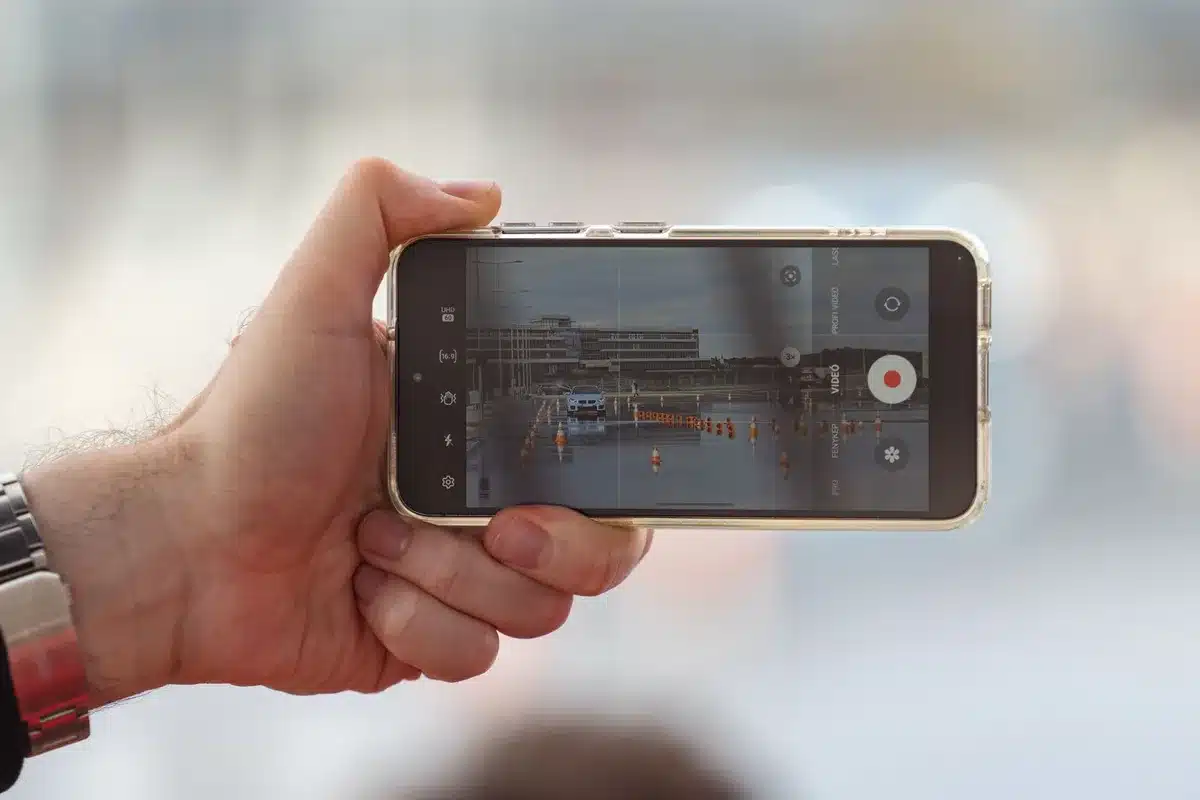
- Magic Capture: record a short clip and the phone auto-selects sharp stills. Cropping and deblur may follow. It’s useful for capturing movement, like kids, pets, or transit.
- Rambler: a speech-to-text mode in Gboard that removes filler words. It turns messy dictation into clean text.
Contextual AI suggestions also return. Messages that mention flights or restaurants can prompt cards with extra info or quick calendar entries. These are incremental time-savers more than headline features.
Camera experience: telephoto, low light, and Magic Capture results
The camera hardware keeps the same megapixel counts as before. The telephoto lens remains a rare feature on the standard model. It delivers 5x optical zoom, with digital reach up to 30x.
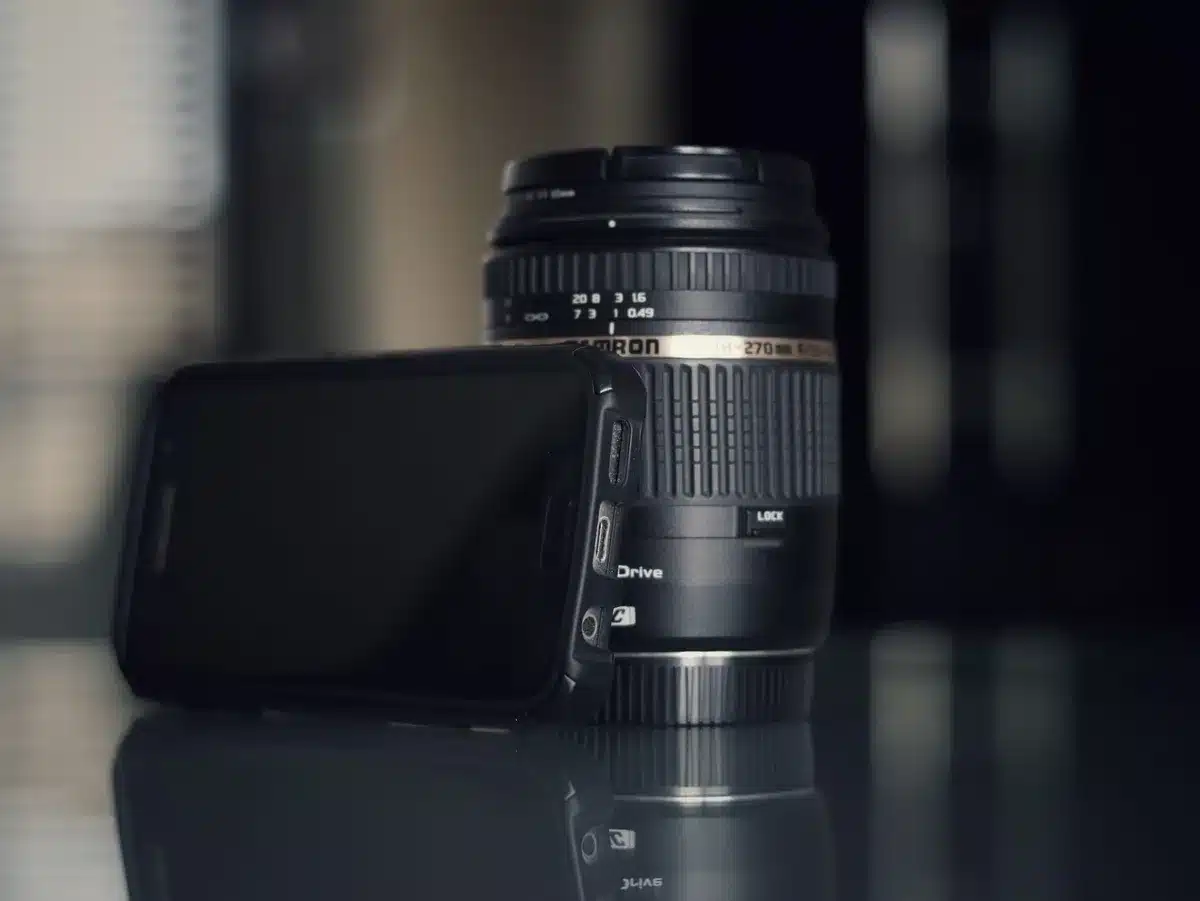
Image processing is classic Google: pleasing color, solid dynamic range, and strong computational sharpening. Night Sight still produces impressive low-light shots, though the speed won’t blow your mind.
Magic Capture shines for action or motion. In tests, moving vehicles and a passing train produced usable, clear stills extracted from short clips. Digital zoom quality is better than many rivals; distant graffiti and other small details held up surprisingly well at long range.
For close-up work, the macro capability remains enjoyable for flowers and fine textures.
Battery life and real-world runtime
Google rates the Pixel 11 at 30 hours per charge. The cell is 4,985 mAh, slightly larger than the Pixel 10’s. In a continuous video loop test, runtime came in just under the 30-hour mark.
That places the Pixel 11 among the better base-model flagships for endurance. It’s reliable for a full day of mixed use and can stretch into a second day under lighter loads.
Where the Pixel 11 fits and who should consider it
The Pixel 11 is a steady, conservative update. Its strengths are usability, improved handling thanks to the thinner camera bar, and software features such as Magic Capture and Rambler.
If you own a Pixel 10, the differences may not justify an upgrade. If your phone is older, Magic Capture and the telephoto lens give the Pixel 11 a legitimate appeal. Also consider trade-in offers and promos: they can shift the value equation quickly.
Compared with Pro models, the base Pixel 11 lacks certain premium touches, like the HiLight and the Pro-level peak brightness. But it still delivers a well-rounded camera experience, solid battery life, and Google’s latest on-device AI tools.










