
Show summary Hide summary
- Why Starbucks keeps bringing the pumpkin spice back earlier
- How a spice blend turned into a cultural signal
- The raw numbers behind the phenomenon
- Is the backlash really about pumpkins?
- Gender and class play a role in the mockery
- Have we passed peak pumpkin spice outrage?
- Why the trend persists despite the jokes
- Where pumpkin spice goes next
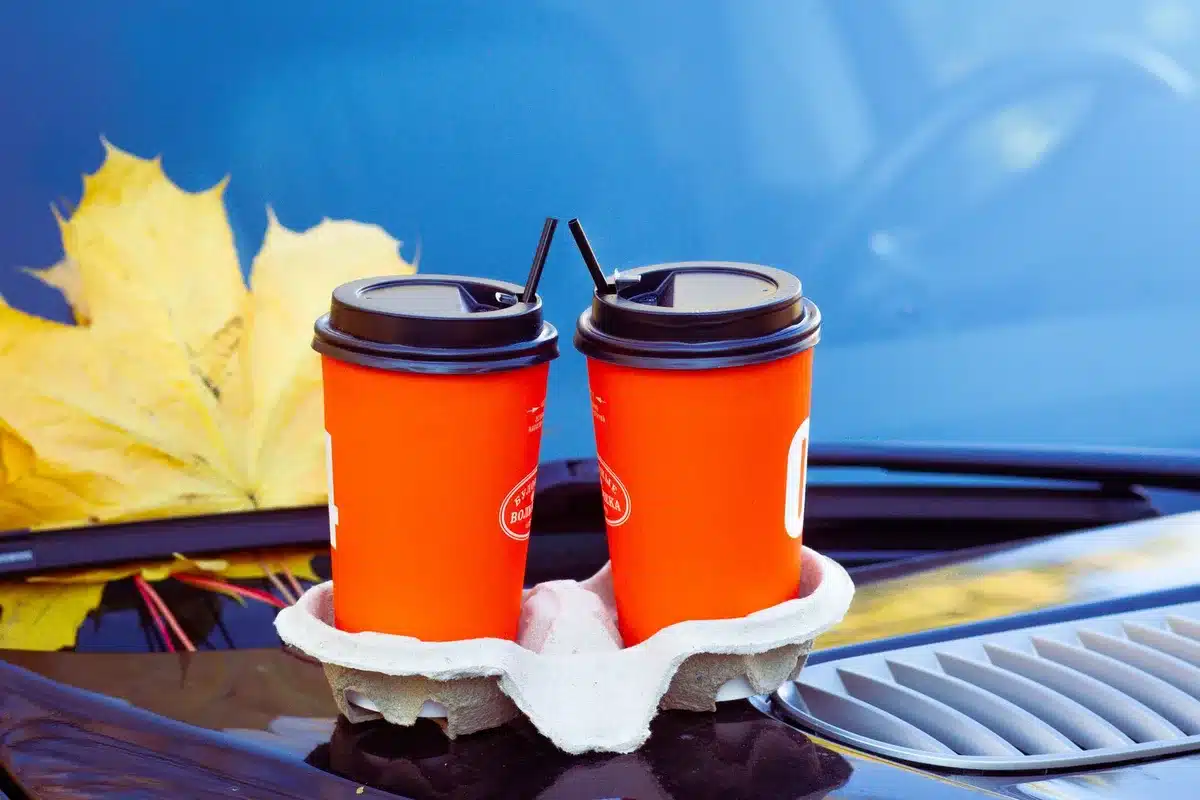
Each late summer, a familiar orange-tinged scent returns to coffee shops and social feeds. What started as an experiment at a single chain has become a seasonal ritual and a cultural lightning rod. The pumpkin spice latte’s rise says as much about marketing and nostalgia as it does about the flavor itself.
Why Starbucks keeps bringing the pumpkin spice back earlier
Starbucks has steadily moved up the calendar for its autumn-themed drink. Early releases test demand and grab headlines. They also help the chain counter slower sales months.
Nas slams music industry over disrespect: teases new music, vows to address it
1992 vocal performances: 3 jaw-dropping moments that still amaze
The strategy is simple: make the moment feel urgent, then let customers do the rest.
- First introduced in 2003, the pumpkin spice latte quickly grew into a seasonal staple.
- The product became a major revenue driver during the fall season.
- Starbucks later expanded the range to iced and cold-foam versions to match year-round coffee habits.
How a spice blend turned into a cultural signal
The drink’s ingredients are familiar: cinnamon, nutmeg, ginger, cloves, and in recent years, some pumpkin purée. Those flavors evoke holiday traditions and comfort.
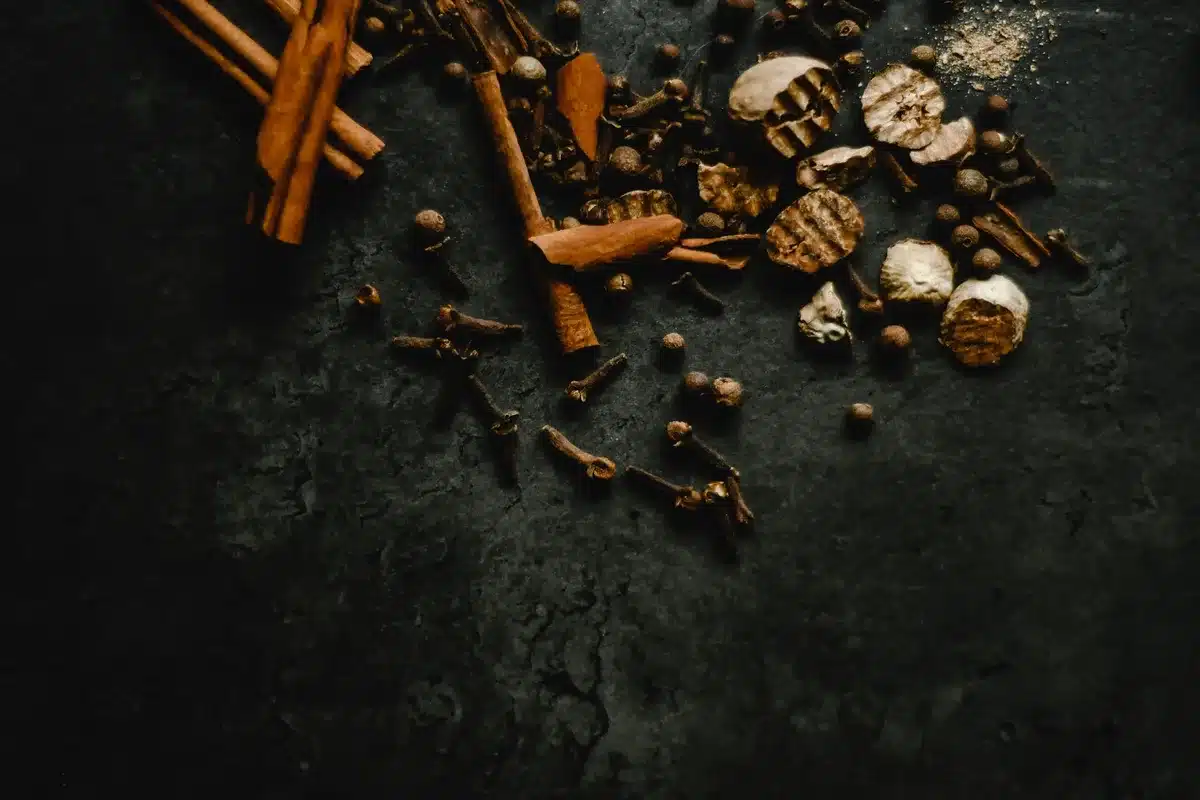
That emotional link helped the beverage move beyond taste. On Instagram and other platforms, a cup could complete a fall tableau. Suddenly the PSL was not just a drink; it was an aesthetic prop.
Food trend watchers also tie the surge to the 2008 recession. In hard times, consumers often seek foods that feel comforting and nostalgic.
Product evolution and spin-offs
- 2003: Original pumpkin spice latte debuts.
- Mid-2010s: Recipe adjustments added real pumpkin in some formulas.
- 2019: Pumpkin Cream Cold Brew arrives, offering a less sugary, iced alternative.
- Thousands of pumpkin-flavored items followed, from sweets to novelty goods.
The raw numbers behind the phenomenon
When a seasonal item performs, the market responds. Sales figures and menu data show why companies chased the pumpkin flavor.
- Millions of PSLs have been sold globally since launch.
- Industry reports estimated the seasonal beverage generated tens of millions of dollars per season.
- Menu mentions of related autumn flavors have shifted over time, with maple and pecan occasionally rising as alternatives.
In short: a single successful product can spawn whole categories of seasonal goods.
Is the backlash really about pumpkins?
Criticism aimed at pumpkin spice rarely sticks to taste alone. Observers point to broader anxieties about marketing, seasonal creep, and consumerism.
Releasing a holiday-flavored product while it’s still summer invites accusations of manufactured seasonality. Some call it “seasonal creep.” Others see it as smart commerce.
- Mass production of a seasonal scent can feel artificial.
- Brands leverage scarcity and calendar timing to boost interest.
- The more a flavor is marketed, the easier it is to mock or resist.
Gender and class play a role in the mockery
Not all disdain is about flavor. A large part of the pumpkin spice mockery is coded critique of tastes associated with women.

Labeling something “basic” often targets feminine-coded trends. That label carries class judgments too. Cultural critics note that what counts as “refined” or “basic” depends on social position.
How taste becomes identity
- Enjoying a popular trend can be framed as lacking originality.
- People from different social backgrounds often have very different markers of taste.
- Public shaming of mass tastes sometimes masks deeper biases.
Put plainly: mocking a seasonal drink can be less about the drink and more about who is seen enjoying it.
Have we passed peak pumpkin spice outrage?
Interest peaked in the mid-2010s, as searches and hot takes multiplied. Since then, conversations have softened.
Other autumnal flavors like maple and pecan have gained traction. Seasonal beverage experimentation from chains has also created fatigue.
Now, many social posts about the PSL read like a simple request for a small pleasure amid daily stresses. People want to be left alone to enjoy a familiar flavor.
Why the trend persists despite the jokes
There are practical reasons the flavor endures. It evokes comfort. It signals seasonality in a predictable way. And from a business view, it sells.
- Nostalgic associations drive repeat purchases.
- Visual culture rewards recognizable props like fall-colored cups.
- Retailers can extend the season with new variations and formats.
The result: pumpkin spice remains both a product and a cultural shorthand.
Where pumpkin spice goes next
Brands will continue to tinker with format, sweetness, and delivery. Expect more iced options, surprise collaborations, and limited-edition tie-ins.
At the same time, consumers are likely to keep oscillating between affection and fatigue. The chatter may calm, but the spice blend will keep reappearing each autumn.










